Paris Couture Comes to Minneapolis
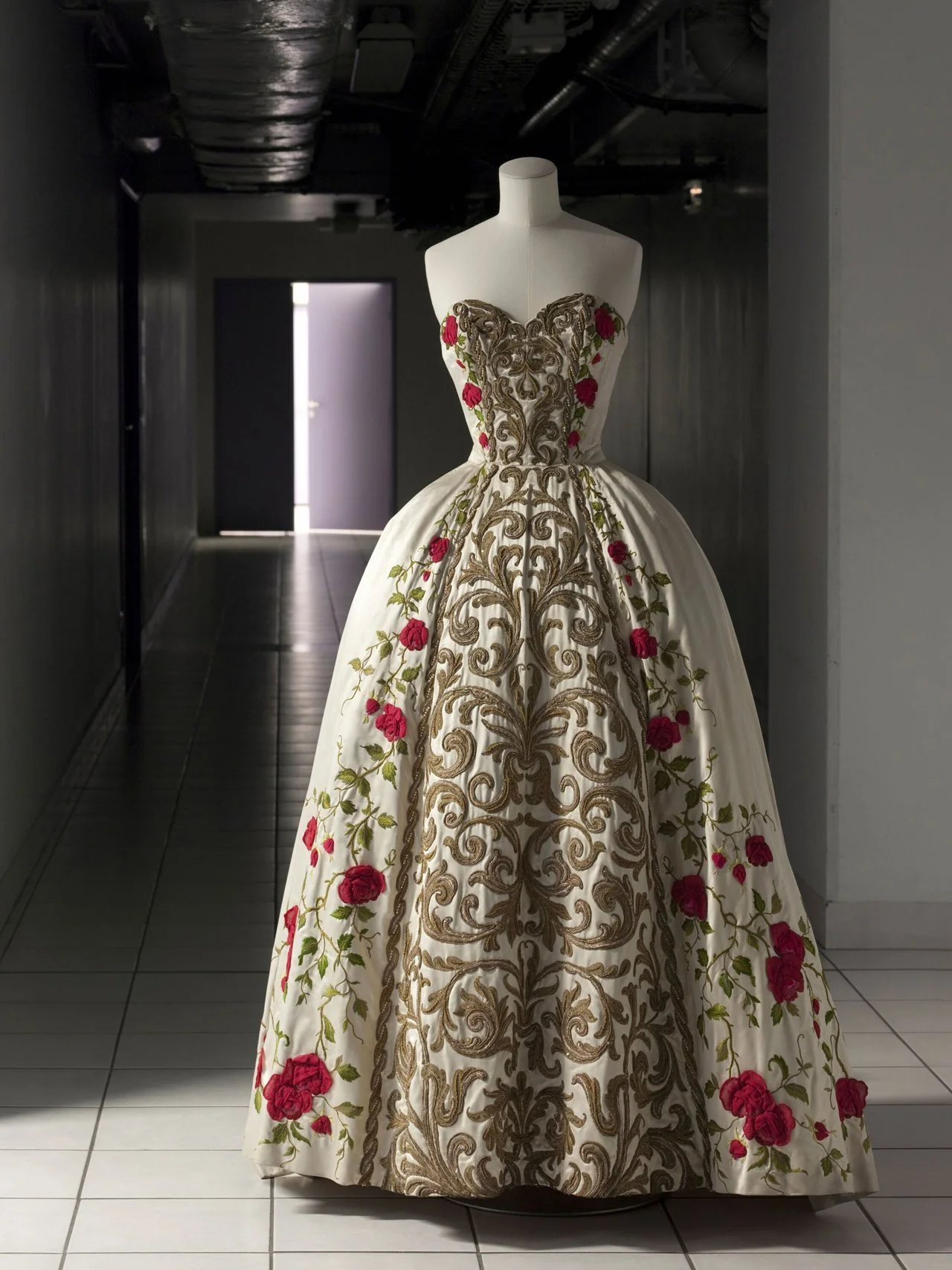
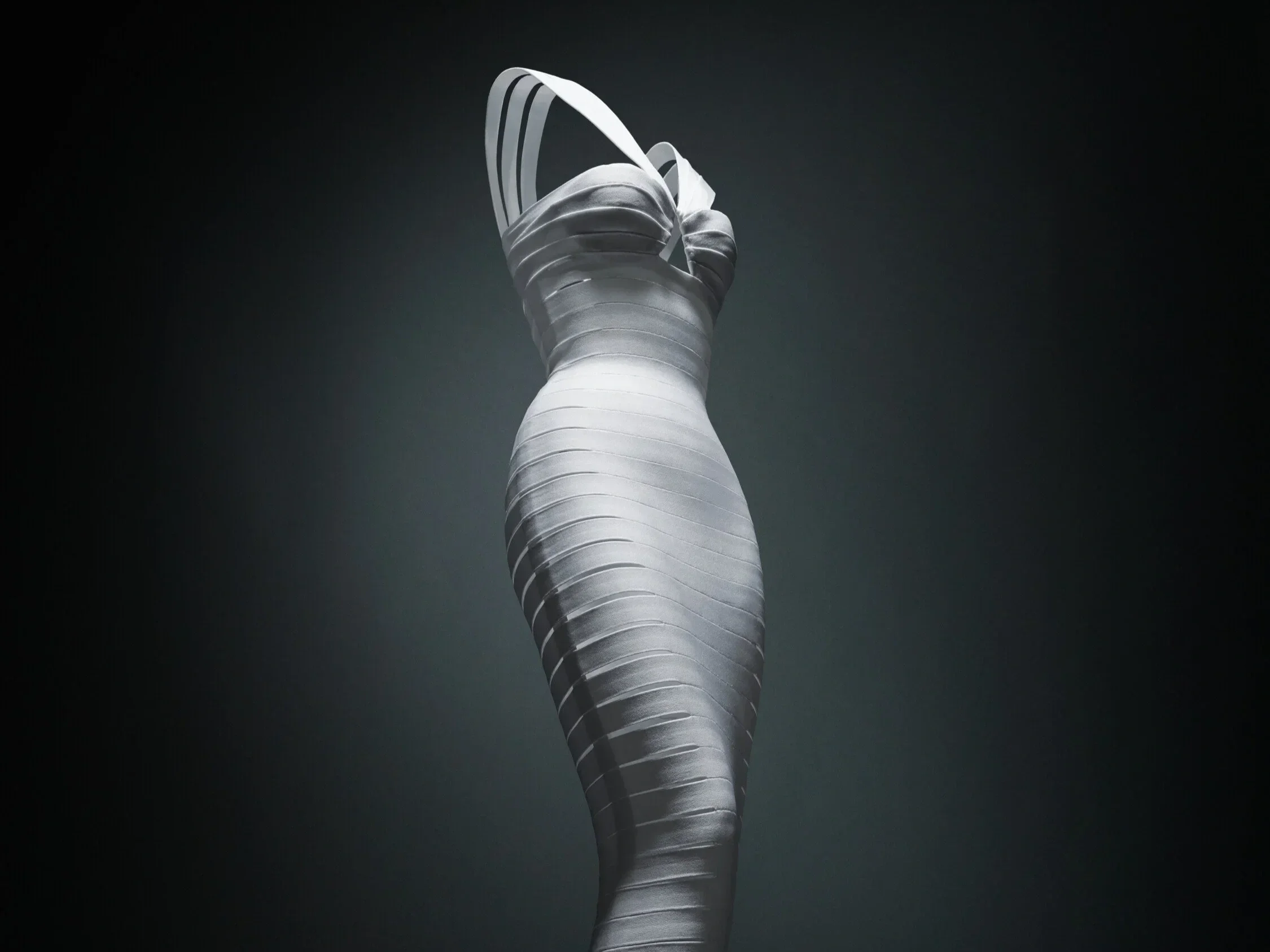
Pierre-Balmain - Antonial gown
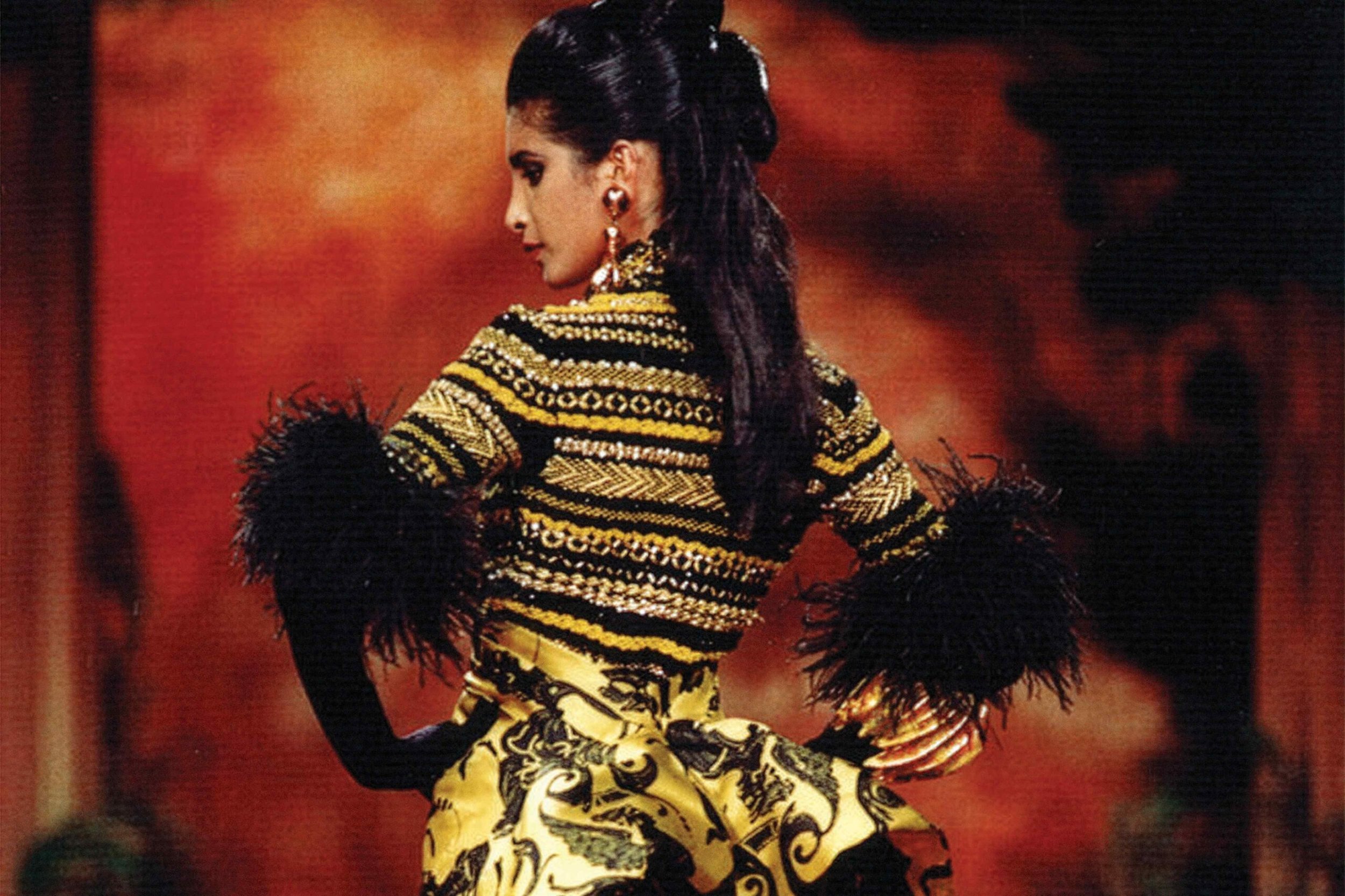
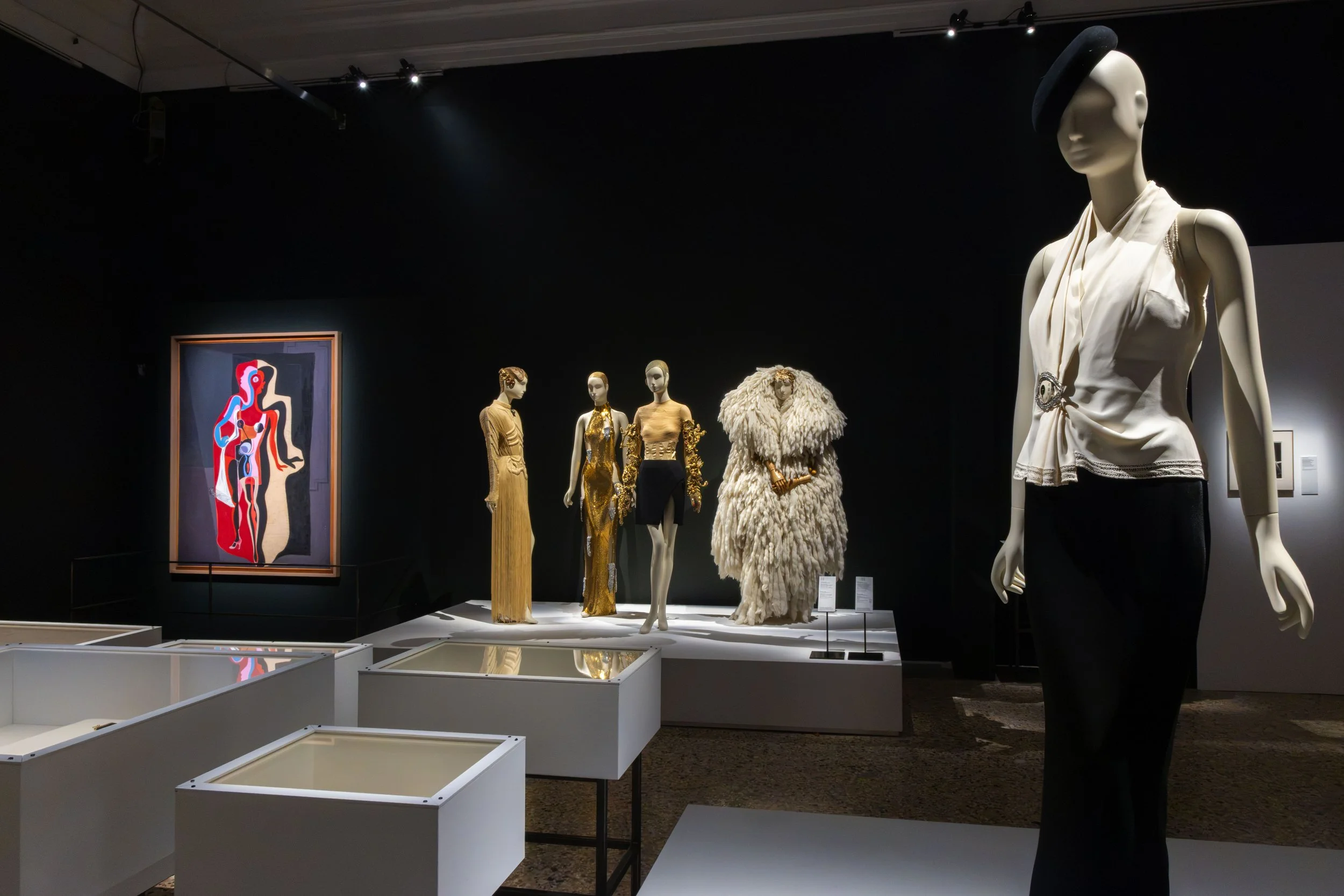
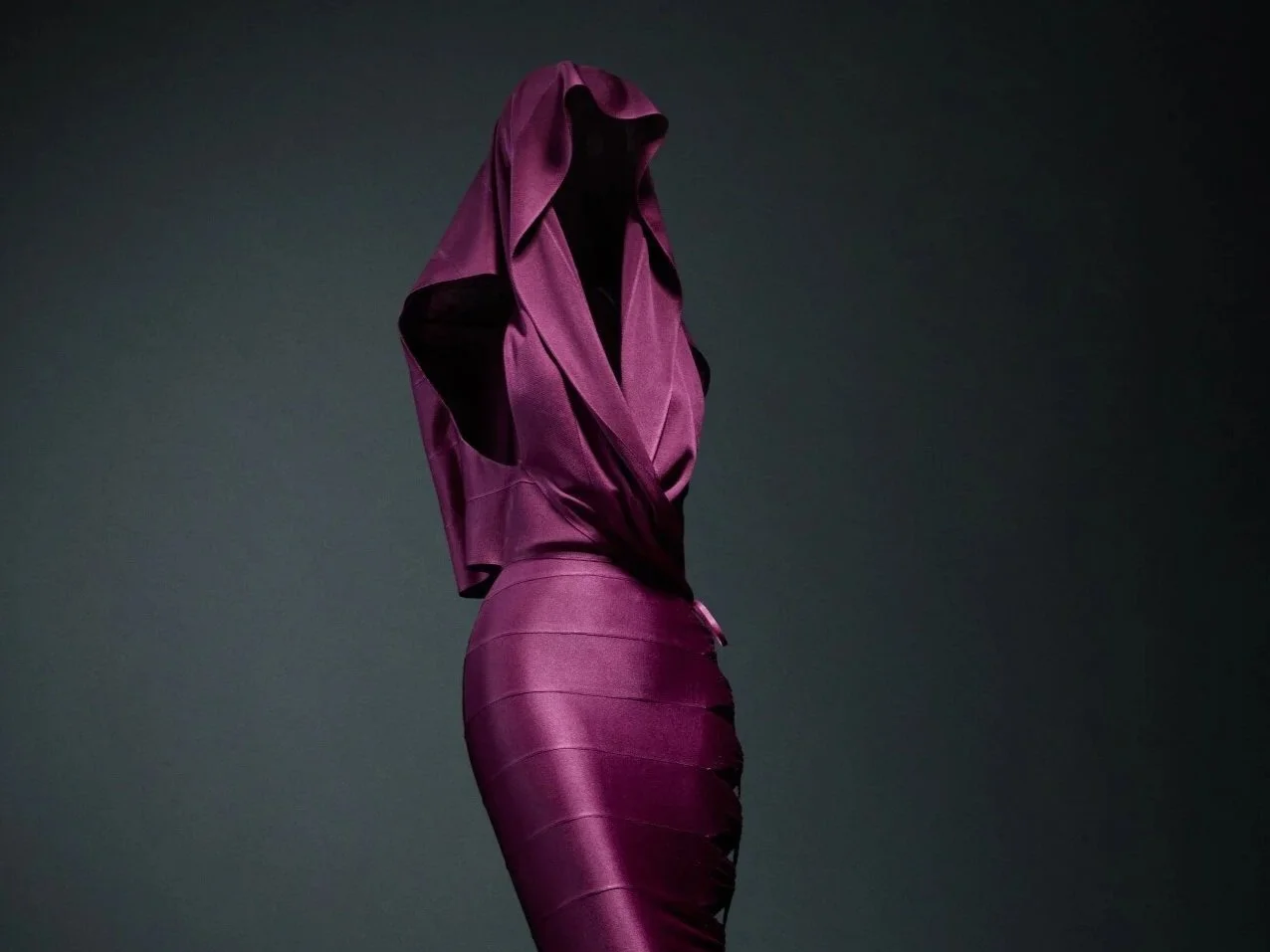
Paris Couture, the new haute couture exhibition at the Minneapolis Institute of Art, running until January 17, 2027, bringing more than 80 garments from the Palais Galliera, Paris's fashion museum, to Minneapolis. Spanning the late nineteenth century to the present, it follows the development of couture through its changing silhouettes, materials and methods of making.
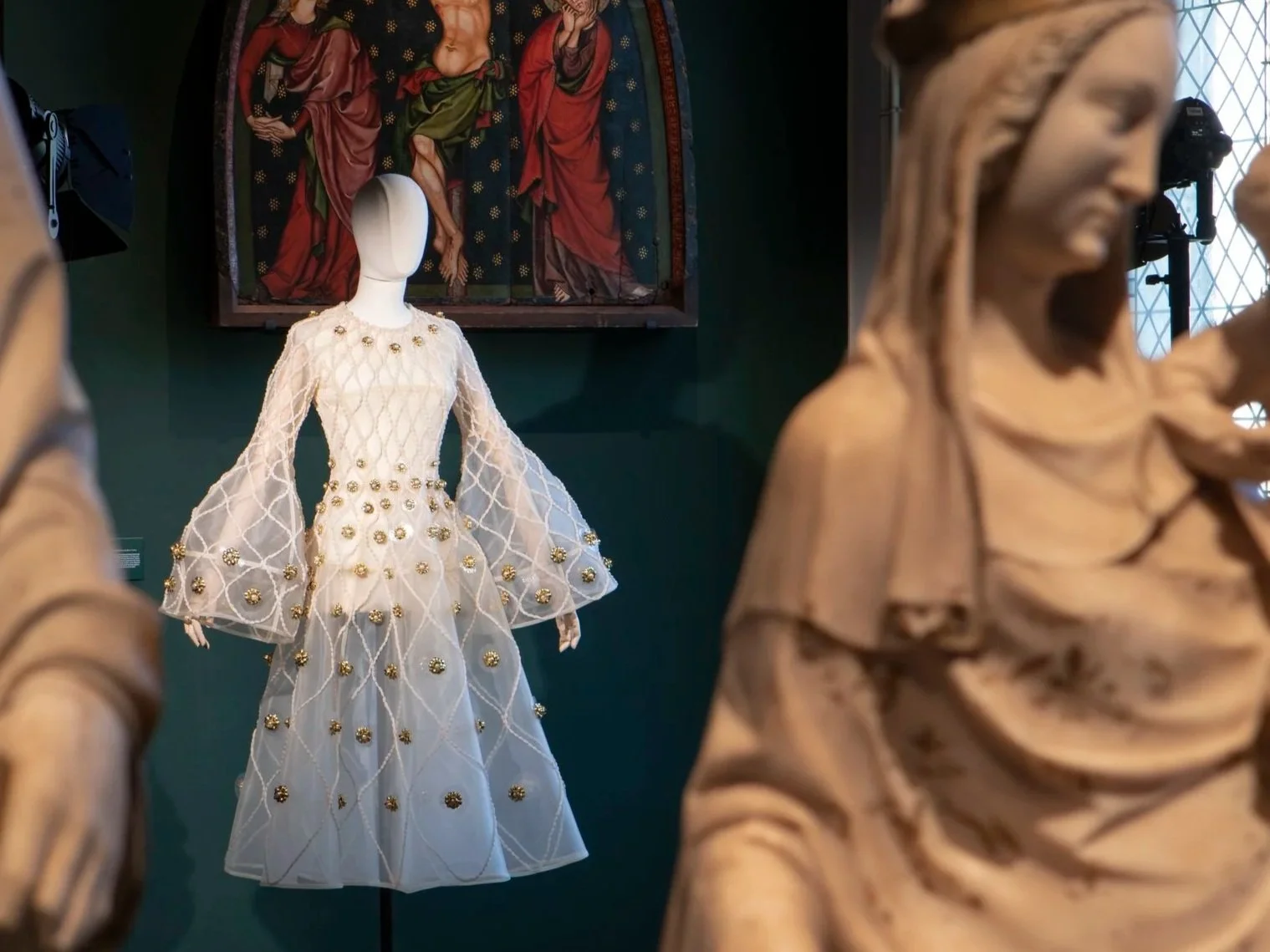
Fashion has been moving steadily into the art museum. In 2025, the Louvre placed more than 100 contemporary looks among its historic decorative arts in Louvre Couture, setting fashion against objects ranging from Byzantine works to the interiors of the Second Empire. The Louvre's idea was comparison: a Chanel or Iris van Herpen creation sat beside an historic object, linked by ornament, technique, material or visual reference, and the clothes entered an existing art-historical story.
Paris Couture makes a different case. The garments fill Mia's Target Galleries in a dedicated survey of haute couture. No paintings or sculpture accompany them; the clothes are the subject. If museums have spent years settling whether fashion belongs in the gallery, this Paris Couture exhibition asks what couture's own history looks like when it stands alone.
Charles Frederick Worth, who opened his Paris house in 1858, is generally credited with establishing the modern couture model. He presented finished designs on live models, allowing clients to choose a style and have it made to their measurements. The Chambre Syndicale de la Couture was founded in 1868, and after the Second World War, France legally protected the term haute couture. Houses admitted to the system were required to maintain workshops in Paris and produce made-to-measure garments, with hand craftsmanship central to the work.
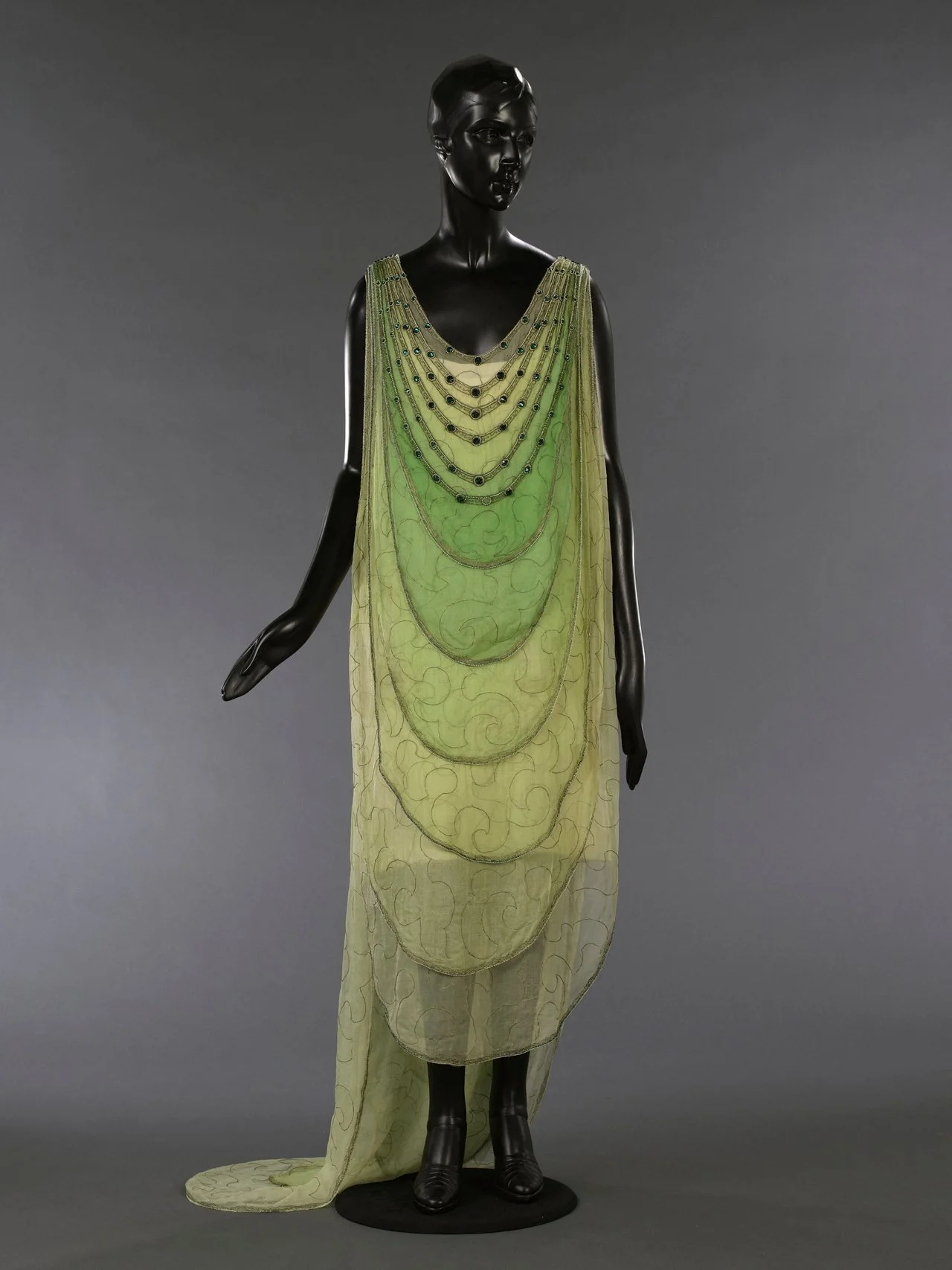
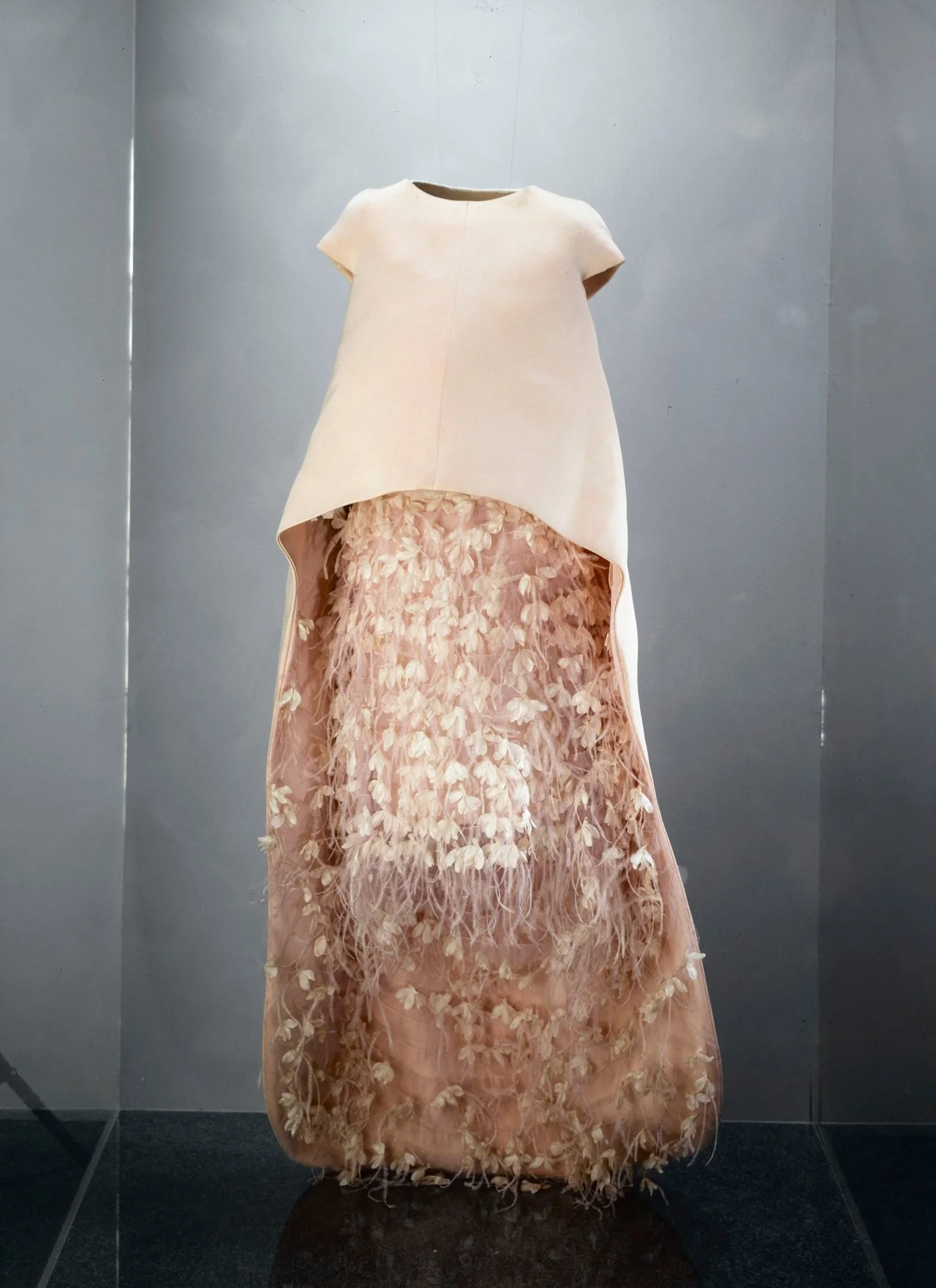
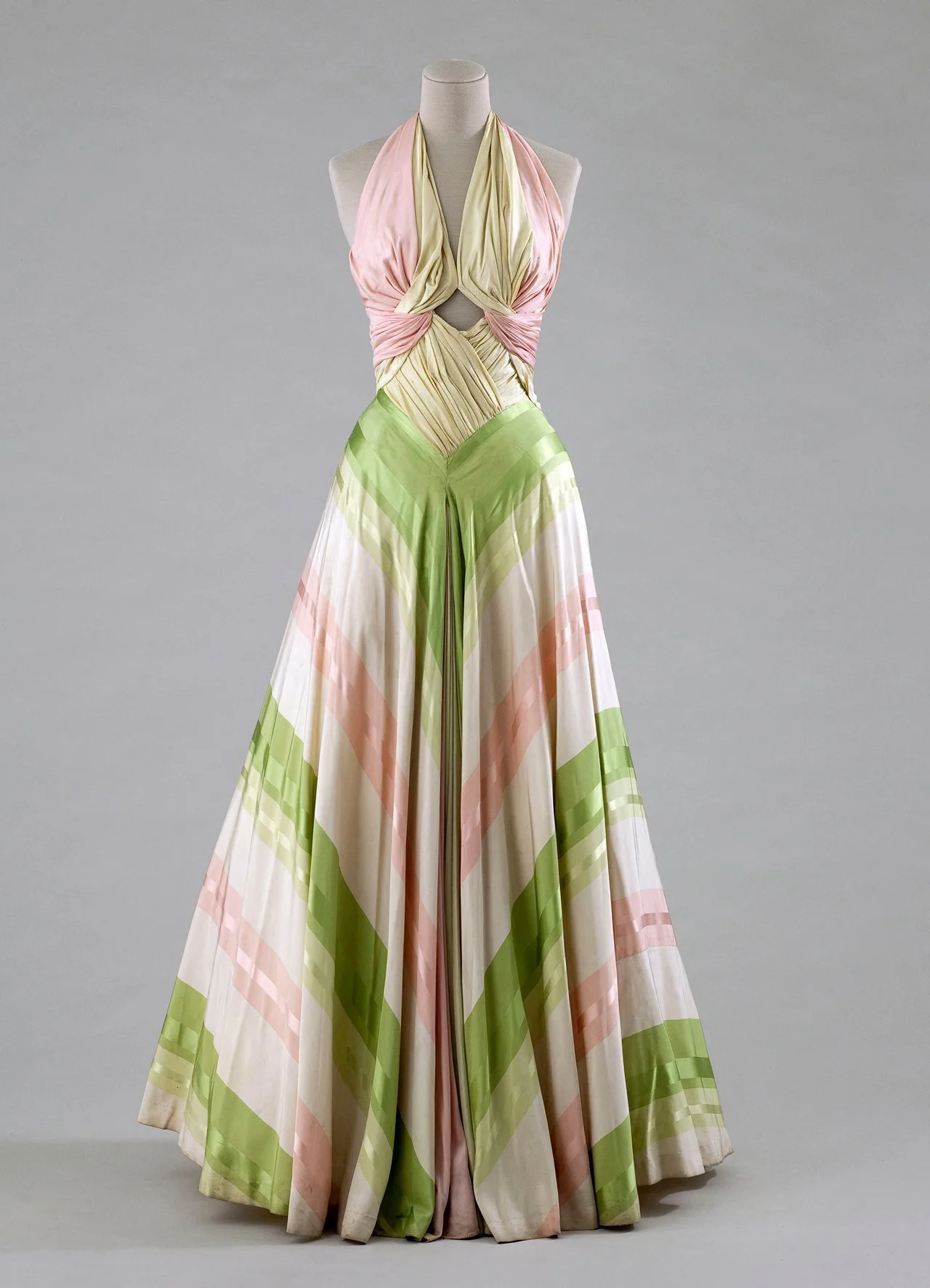
Those requirements are visible in the clothes themselves. A 1924 evening dress by Madeleine Vionnet, embroidered by Albert Lesage, comes from the years when Vionnet was rethinking the relationship between cloth and body. Cutting on the bias, she allowed fabric to fall diagonally, following movement rather than simply outlining the figure. Lesage's embroidery adds another layer of skilled labour: the dress belongs to a designer and an atelier network, not a single maker.
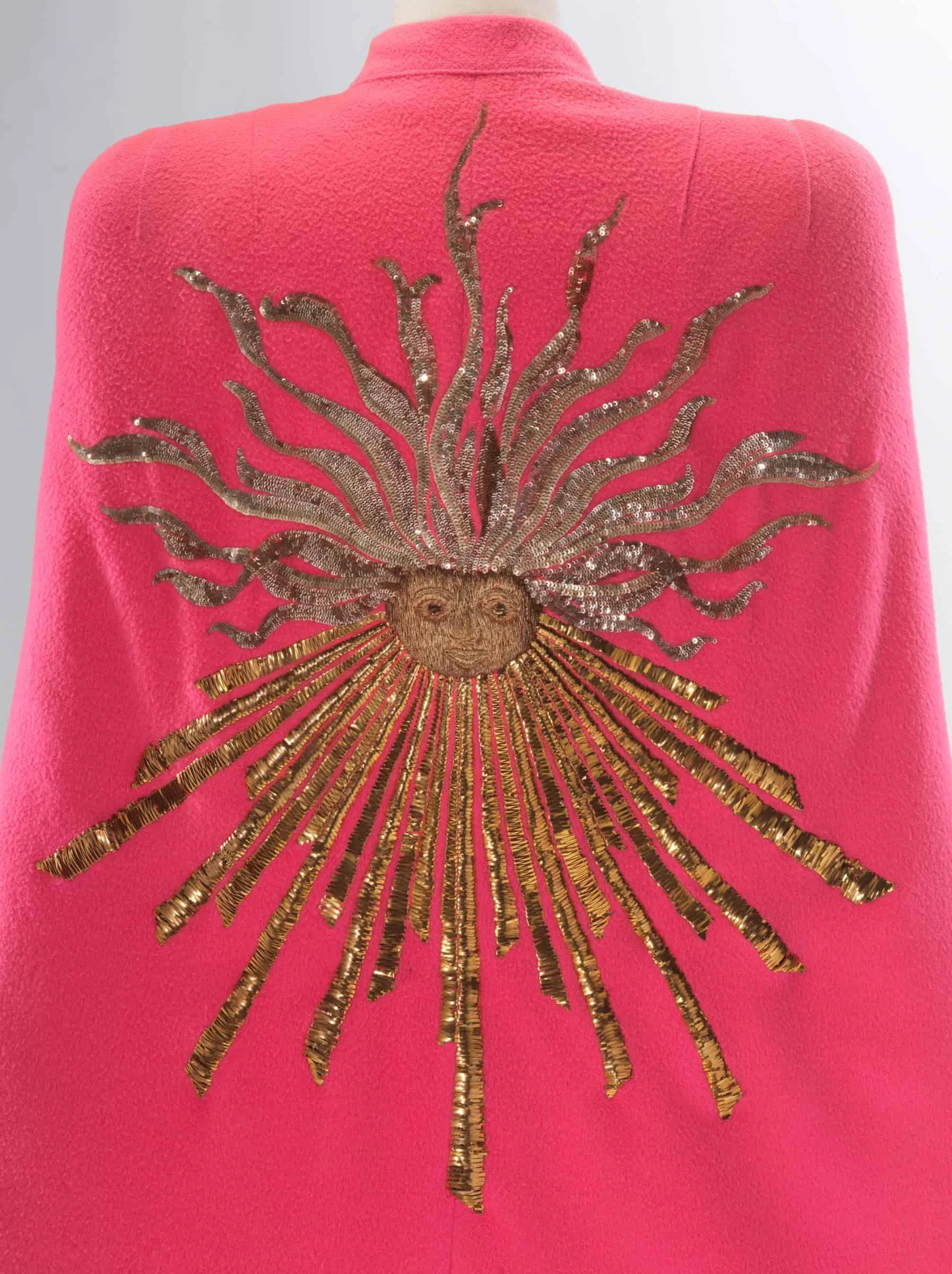
Elsa Schiaparelli's Phoebus cape of 1938 makes that division of labour even clearer. Made for Daisy Fellowes in shocking-pink wool, it is embroidered by Lesage with sequins and gold thread in a radiating sunburst.
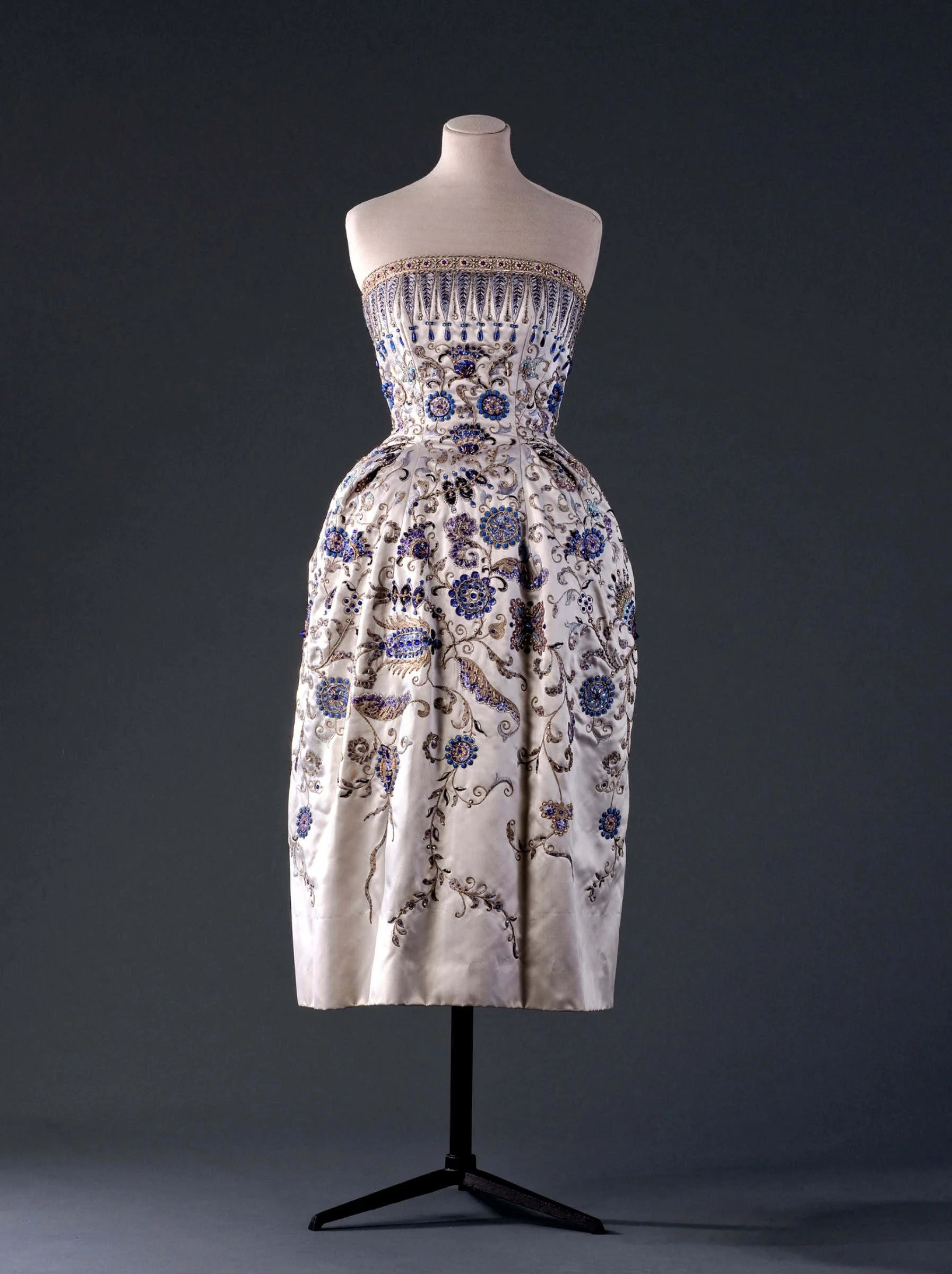
Christian Dior - “Palmyre” evening gown worn by Wallis, Duchess of Windsor
Talk of Christian Dior's New Look tends to fixate on the narrow waist and full skirt. Palmyre, an evening dress from 1952 commissioned and worn by Wallis Simpson, gives the surface equal weight. Sequins, pearls and crystals cover the dress, much of the work carried out by the specialist artisans on whom couture depended.
After the war, couture regained its international clientele, but ready-to-wear was changing the economics of fashion. Couture's survival increasingly depended on what industrial production could not easily reproduce: individual fittings, hand embroidery, complex construction and the accumulated knowledge of the atelier.
Seen together, the garments form a short history of couture technique: Vionnet's bias cut, Lesage's embroidery on Schiaparelli's cape, the beadwork on Dior's Palmyre. A Spring 2026 Chanel look by Matthieu Blazy, constructed from thousands of translucent fabric scales, brings that history into the present.
The old question, is fashion art?, has stopped being a useful one. Paris Couture settles on something narrower: couture can be read through its objects, its makers and its techniques, and it needs no painting on the next wall to earn its place in the museum.
Paris Couture runs at the Minneapolis Institute of Art will run until January 17, 2027, before travelling to the Saint Louis Art Museum.