Ossie Clark + Celia Birtwell: The Making of a London Fashion Language
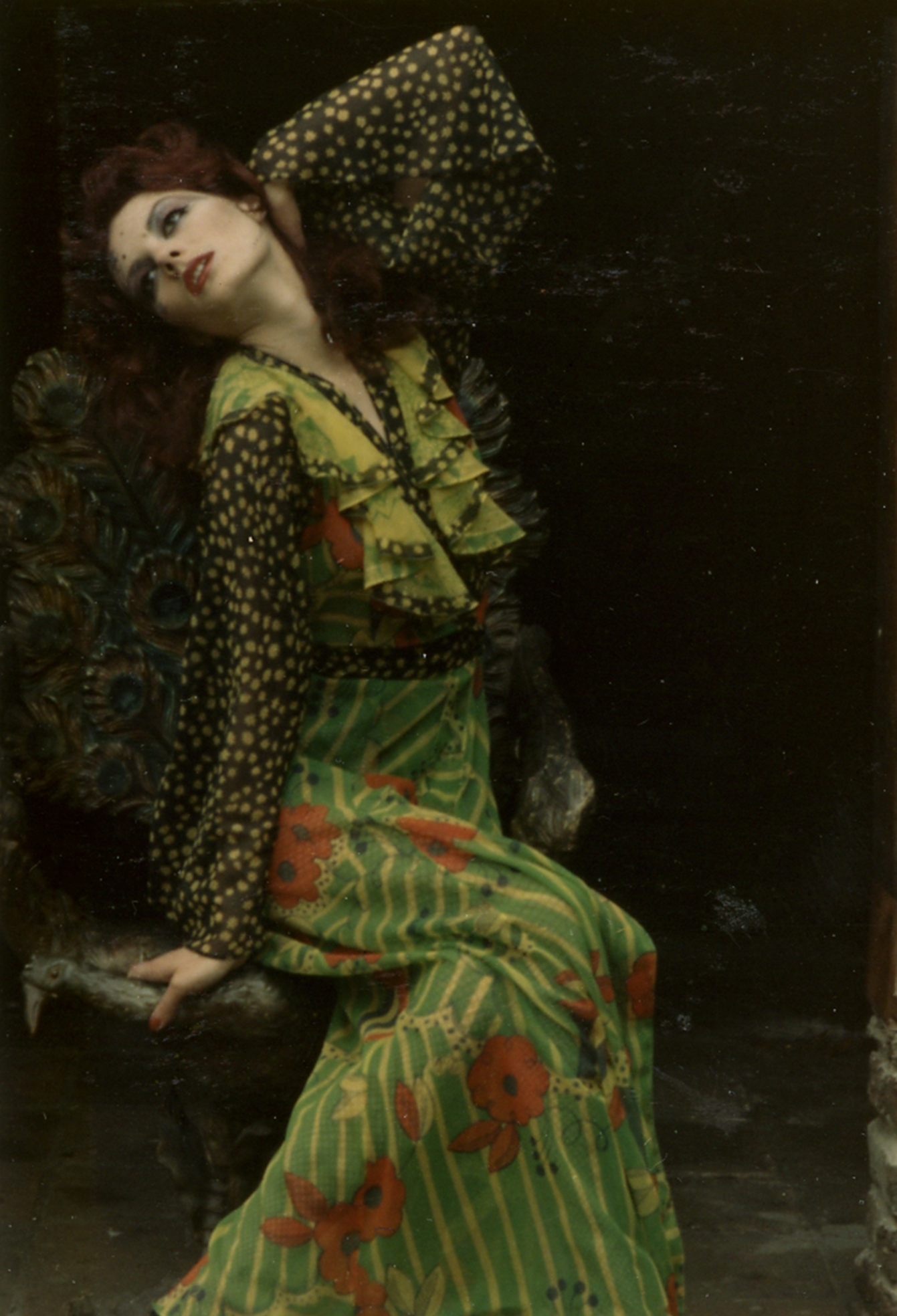

Ossie Clark and Celia Birtwell defined a particular approach to British fashion in the late 1960s and early 1970s, where precise cutting, fluid textiles and historical references came together in a new kind of glamour. Clark’s understanding of pattern cutting gave structure to Birtwell’s flowing textile designs, producing chiffon dresses, sharply tailored suits and printed garments that reflected the decade’s changing ideas of femininity, movement and dress.
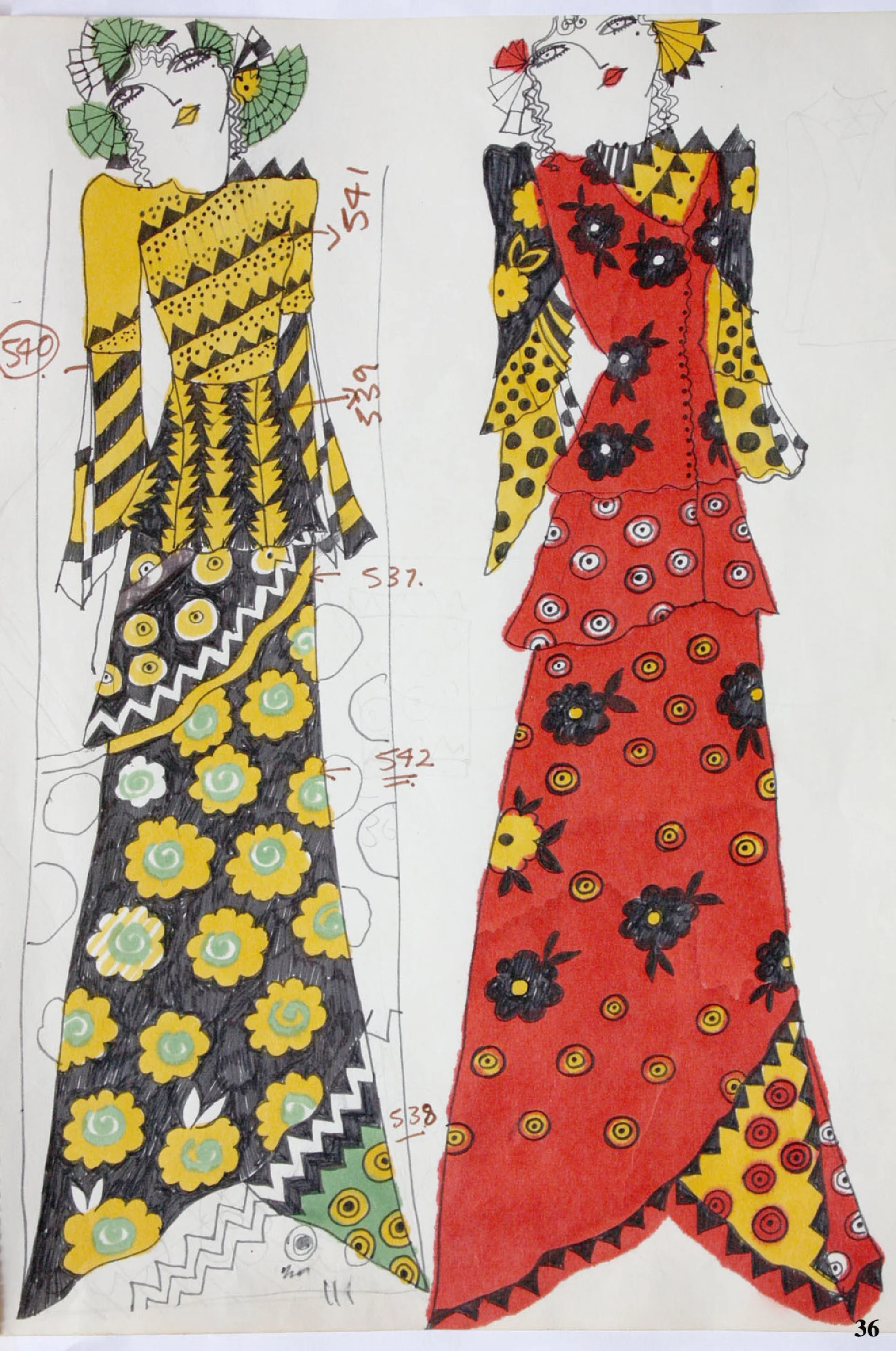
Sketches by Celia Birtwell
The Fashion and Textile Museum will examine their collaboration in Ossie Clark + Celia Birtwell, running from 2 October 2026 to 11 April 2027. Bringing together more than 120 garments from private collections alongside loans from Celia Birtwell, the exhibition will focus on the years when they worked together at the West London boutique Quorum, while also tracing their individual careers after their professional partnership ended in 1974.
At Quorum, Birtwell’s illustrated textiles provided the starting point for many of Clark’s designs. Her prints drew on historical references, from Art Deco and Ballets Russes imagery to botanical forms, while he translated them into garments through his understanding of proportion and movement. Together, they made clothes that borrowed from earlier ideas of glamour while carrying the freedom of late 1960s London.
Early pieces in the exhibition will include the 1967 Bakst dress, with its circular motifs inspired by Léon Bakst’s costumes for the Ballets Russes and the work of abstract artist Sonia Delaunay, alongside the mail-order Paper dress featuring Birtwell’s orange and green floral design. These garments will show how the pair used print and silhouette together, rather than treating textiles as decoration layered onto a finished shape.
Clark’s tailoring will also be in focus. His 1968 Lamborghini jacket, a long satin jacket worn with matching trousers in Birtwell’s Chinoiserie-inspired print, showed his ability to hold structure and fluidity in the same garment.
By the early 1970s, the shorter silhouettes associated with the start of the decade had evolved into longer, more fluid forms. Bias-cut dresses, transparent chiffon and lower necklines allowed movement itself to become part of the design. Worn by musicians and performers including Mick Jagger and Liza Minnelli, their clothes moved between fashion, performance and the growing relationship between music and style.
Clark’s technical range is particularly visible in his chiffon designs. The powder blue Ziggy Stardust dress, printed with black birds and golden flowers, reflected his interest in 1930s glamour and the work of designers like Madeleine Vionnet, Poiret and Schiaparelli, whose garments he studied at the V&A. Cut as a spiralling construction of chiffon, the dress wraps around the body while allowing Birtwell’s print to remain central.
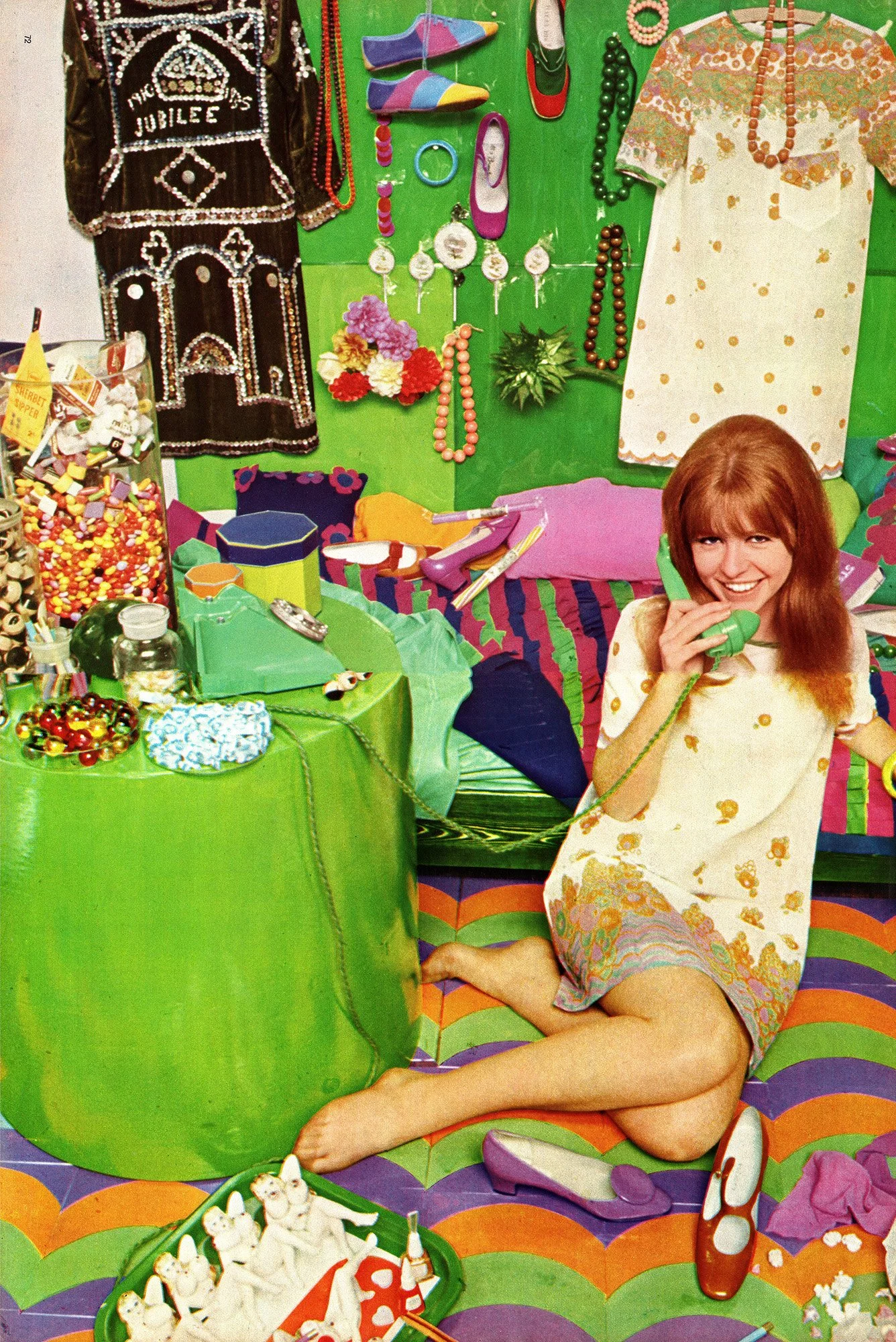
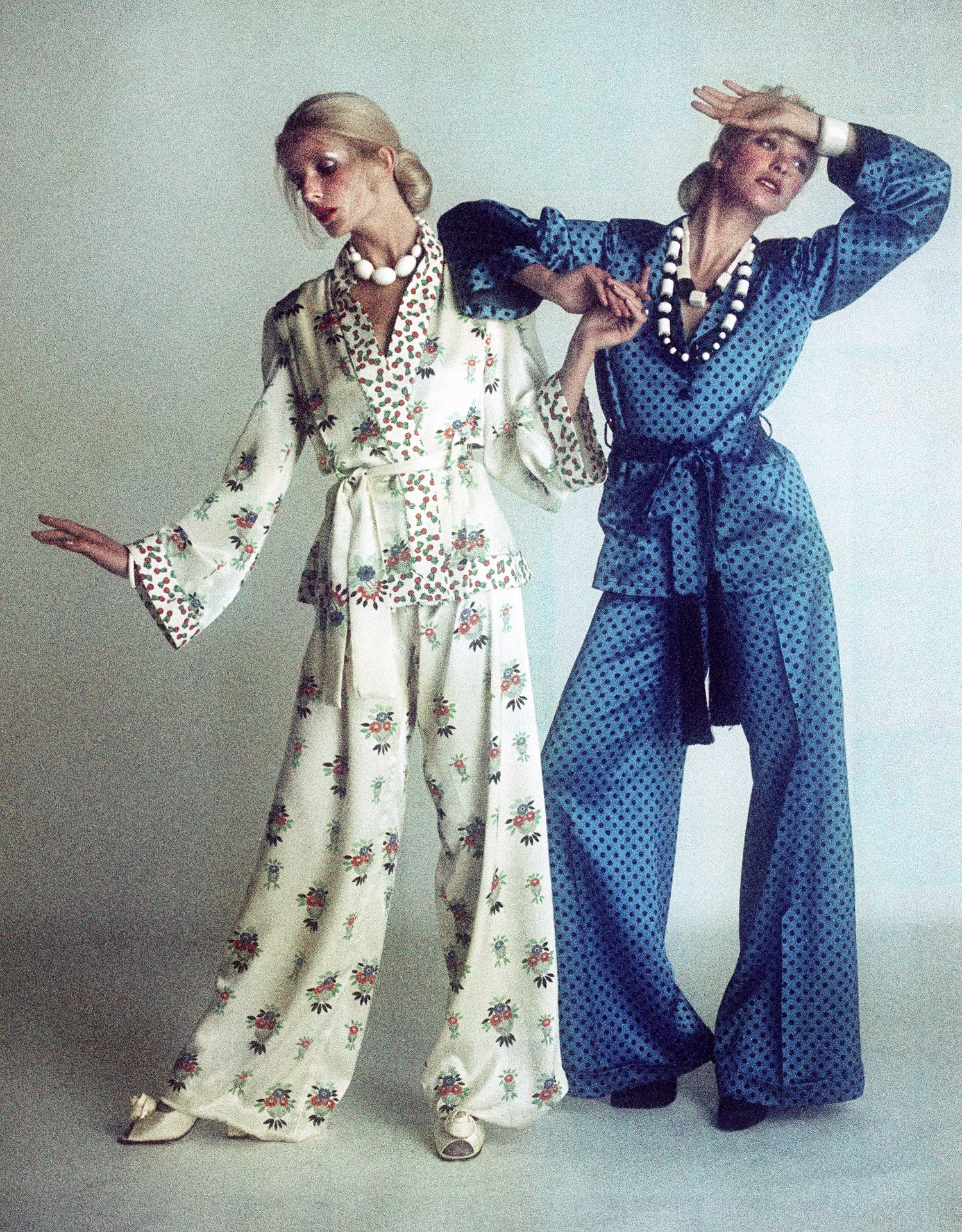
He also experimented with more unconventional materials. The exhibition will include a fitted water snake jacket made from diagonal strips of black, cream, red and green python skin, pairing Clark’s control over silhouette with the harder edge of late 1960s fashion.
Clark and Birtwell’s personal style became part of the visual culture surrounding their work. They married in 1969, and the exhibition will include Birtwell’s Ophelia wedding dress, made from chiffon and combining her Floating Daisy and Lollipop prints. The couple were later portrayed by David Hockney in Mr and Mrs Clark and Percy (1970–71), a painting that placed them within the artistic circles of the period.
After their professional partnership ended, the exhibition separates their individual practices. Clark continued to explore draping and jersey, creating dresses and jumpsuits built on his understanding of the body. Birtwell expanded her textile work into fashion and interiors, continuing to develop the floral, geometric and historical references that had shaped her earlier designs.
Ossie Clark + Celia Birtwell is on view at the Fashion and Textile Museum from 2 October 2026 to 11 April 2027.