
All You Need to Know
About Haute Couture
Haute Couture is one of the most exclusive forms of fashion. It is also a legally protected designation in France, reserved for fashion houses that have been granted Haute Couture accreditation.
Unlike the word “couture,” which is widely used in fashion, “Haute Couture” has a specific meaning. The designation is associated with exceptional craftsmanship, made-to-measure garments, highly skilled ateliers and the presentation of collections within the official Haute Couture system in Paris.
What is Haute Couture?
Haute Couture literally means “high dressmaking.” In France, however, it means more than simply clothing made by hand or clothing made to measure.
The term has been a legally controlled designation since 1945. Houses benefiting from Haute Couture accreditation are subject to criteria concerning craftsmanship, the personalisation of garments, the rhythm of collections and the savoir-faire of their ateliers.
The Fédération de la Haute Couture et de la Mode (FHCM) describes Haute Couture as a field centred on exceptional craftsmanship and the individualisation of garments, which are made to measure for clients.
This is why not every designer who produces highly elaborate, handmade or custom-made clothing is a Haute Couture house.
Who Can Use the Haute Couture Label?
The Haute Couture designation is not simply a description that any fashion brand can adopt.
The Haute Couture Committee of the Fédération de la Haute Couture et de la Mode brings together houses that have Haute Couture accreditation and meet the relevant requirements concerning craftsmanship, personalisation, collections and atelier savoir-faire.
The official Haute Couture Week calendar also includes two other categories of houses:
Corresponding Members are international houses whose ateliers are based outside France.
Invited Houses (Guests) are selected by the Haute Couture Committee to participate in the official Haute Couture Week calendar. Being invited to show during Haute Couture Week does not in itself mean that a house has been granted the legally protected Haute Couture designation.
The official calendar changes over time, so CoutureNotebook recommends checking the Fédération de la Haute Couture et de la Mode for the current list of participating houses.
What Are the Requirements for Haute Couture?
The requirements are intended to protect the standards associated with the Haute Couture designation.
They relate to the craftsmanship and savoir-faire of the Maison, the work carried out in its ateliers, the individualisation of garments, and the presentation of collections.
The system has its roots in the Chambre Syndicale de la Haute Couture. The organisation that became the Fédération de la Haute Couture et de la Mode traces its history to Charles Frederick Worth and the establishment of the first Chambre Syndicale in 1868.
In 1945, Haute Couture became a legally controlled designation in France.
Who Buys Haute Couture?
Haute couture is made for a very small global clientele. Older estimates put the number at around 2,000 clients worldwide; more recent industry estimates have suggested closer to 4,000, although there is no official figure.
What has changed significantly over the past 15 years is the profile of those clients. Couture was once closely associated with established European and American wealth, but the clientele has become considerably more international, with growing numbers of high-net-worth clients from Asia and the Middle East.
It has also become younger. Recent reporting has highlighted the growing importance of Millennials and other younger clients, including those who have discovered couture independently rather than inheriting the tradition from their families.
Today, the couture client can be a long-established collector, a member of a wealthy family, an entrepreneur, a young high-net-worth individual, a member of royalty or a celebrity. The clientele remains extremely small, but its geographical and generational profile has evolved with the changing landscape of global wealth.
How Does Buying Haute Couture Work?
A Haute Couture garment is commissioned directly through the fashion house rather than purchased as an ordinary ready-to-wear item.
The process usually involves:
an appointment with the house;
choosing or developing a garment;
taking the client's measurements;
fittings during the making of the piece;
adjustments to the construction and proportions;
specialist embroidery or other handwork;
and a final fitting before the garment is completed.
The number of fittings and the length of the process vary according to the garment and the house.
For a highly embroidered gown, the work can involve many specialist artisans as well as the seamstresses and cutters responsible for constructing the garment.
How Much Craftsmanship Goes Into a Haute Couture Garment?
There is no standard number of hours required to make a couture garment.
The time depends on the construction, materials, embroidery, embellishment and other specialist techniques involved
Some individual garments have required more than 700 hours of work. Dior, for example, has produced couture pieces documented as taking more than 700 hours, while other garments can require considerably more or less time.
The important point is that couture craftsmanship is not measured simply by the number of hours involved. It depends on the specialist knowledge and handwork required to produce the finished garment.
How Much Does Haute Couture Cost?
There is no fixed price list for haute couture. The cost depends on the garment, the materials used, embroidery, construction, fittings and the number of hours of specialised craftsmanship involved, and importantly how well established the Maison is.
As a rough guide, couture daywear can start at around $25,000 for trousers and $50,000 for a jacket. An evening gown might easily cost $60,000–$120,000 or more, while a highly elaborate gown can reach $500,000 or more.
A couture wedding dress can cost around $250,000–$500,000 or more, depending on the design, fabrics, embroidery and craftsmanship. Exceptional pieces can cost considerably more.
These figures are indicative rather than fixed prices. Couture is individually made for the client, and the final price reflects the complexity of the garment and the many hours of work required to create it.
Illustration by @IllustriousJane
What Is the Difference Between Haute Couture and Bespoke?
Haute Couture and bespoke clothing are related but they are not the same thing.
Bespoke means that a garment is made specifically for an individual client. A tailor or designer can offer bespoke clothing without being an accredited Haute Couture house.
Haute Couture, by contrast, is a protected French designation associated with houses that have been granted the relevant accreditation.
A garment can therefore be bespoke without being Haute Couture.
When Did Haute Couture Begin?
The history of modern Haute Couture is closely associated with Paris and with the English-born designer Charles Frederick Worth.
The Fédération de la Haute Couture et de la Mode traces its institutional history to 1868, when the first Chambre Syndicale was established. Worth is widely regarded as a founding figure in the development of the modern couture house.
The system evolved during the late nineteenth and early twentieth centuries as Paris became the centre of an organised luxury dressmaking industry.
In 1945, the designation “Haute Couture” became legally controlled in France.
Today, the tradition combines historic atelier skills with contemporary design, materials and technologies.
When Are the Haute Couture Shows?
Haute Couture Week takes place in Paris twice a year:
Spring/Summer Haute Couture — January
Fall/Winter Haute Couture — July
The Fédération de la Haute Couture et de la Mode currently lists the following 2027 dates:
Spring/Summer 2027: Monday 25 January to Thursday 28 January 2027
Fall/Winter 2027–2028: Monday 5 July to Thursday 8 July 2027
The official calendar can change, so dates should always be checked against the Fédération de la Haute Couture et de la Mode before planning a visit.
Why Does CoutureNotebook Cover Designers Who Are Not Official Haute Couture Houses?
Over the years, CoutureNotebook has covered many designers in Asia, the Middle East and elsewhere whose work is not formally classified as French Haute Couture but demonstrates an exceptional level of craftsmanship, handwork and customisation.
The distinction is important, but it does not mean that creativity or craftsmanship exists only within the official Haute Couture system.
Some designers who were once invited to participate in the Paris Haute Couture calendar have subsequently become established members of the official system. The distinction between accredited houses, corresponding members and invited houses is therefore one that can change over time.
How Long Has CoutureNotebook Been Writing About Haute Couture?
I attended my first Haute Couture presentation in 2012 and have attended nearly every season since then.
CoutureNotebook covers Haute Couture alongside couture and high-level craftsmanship from designers in Paris, the Middle East, Asia and elsewhere, as well as fashion exhibitions, jewellery and the history of fashion.
The aim is to document the people, techniques, collections and cultural context behind the clothes rather than treating Haute Couture simply as a seasonal fashion spectacle.
Do You Sell Couture Pieces?
CoutureNotebook does not sell products or operate as a retailer.
I do feature links to ShopMy, an affiliate platform. If you purchase something through one of these links, CoutureNotebook may receive a small commission from the retailer, at no additional cost to you.
These links do not affect my editorial coverage or the subjects I choose to write about. They simply provide readers with information about where an item can be found.
For Aspiring Couturiers | Transform your couture skills with GlowHigh Masterclasses
EXCLUSIVE | Affiliate Partnership
CoutureNotebook’s Curated GlowHigh Masterclasses
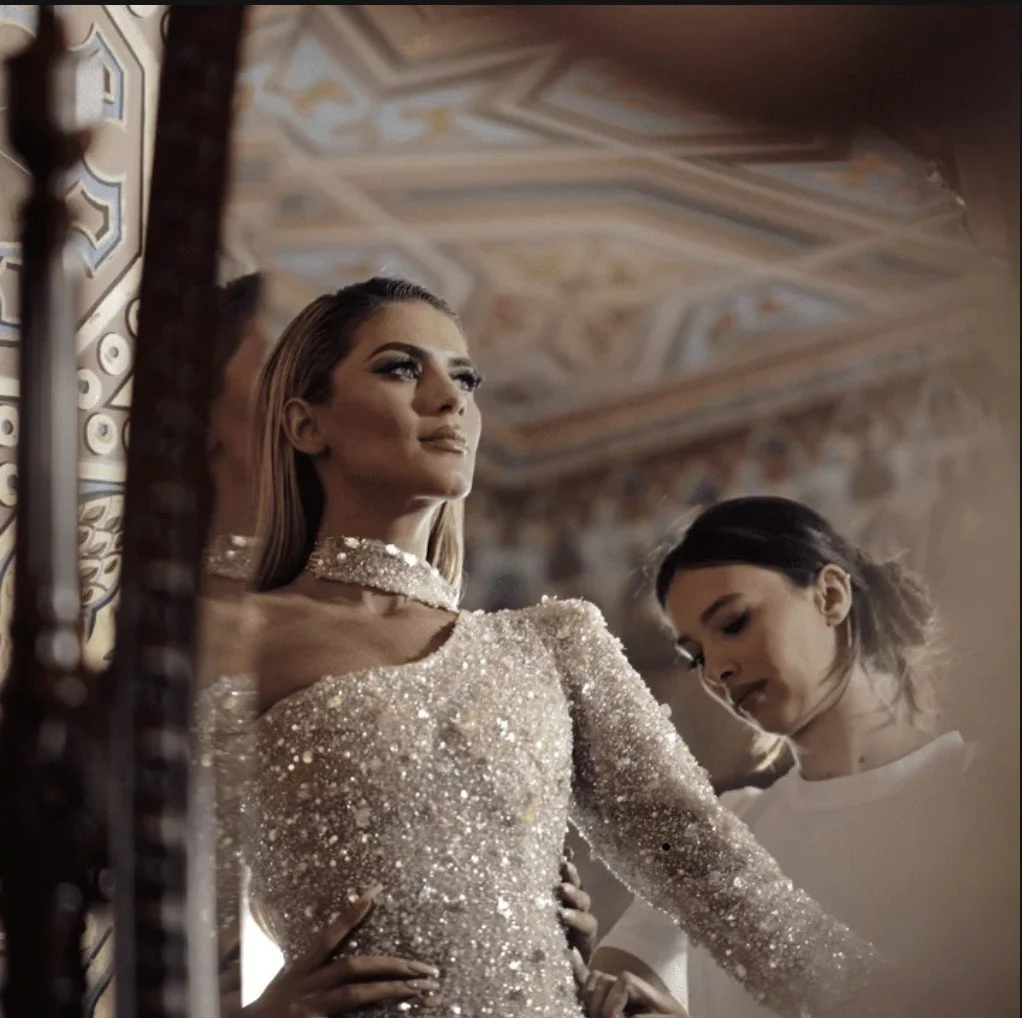
GHF COUTURE MASTER PROGRAM
Master the complete couture dressmaking process from pattern to final stitch. Learn industry techniques from Jehan Mir, who has created gowns for Elie Saab, Alexander McQueen, Gucci, Ralph & Russo, and Vera Wang. This comprehensive program covers beaded fabrics, corsetry, fitting, and client management—everything needed to create red-carpet worthy pieces and confidently accept high-paying clients..
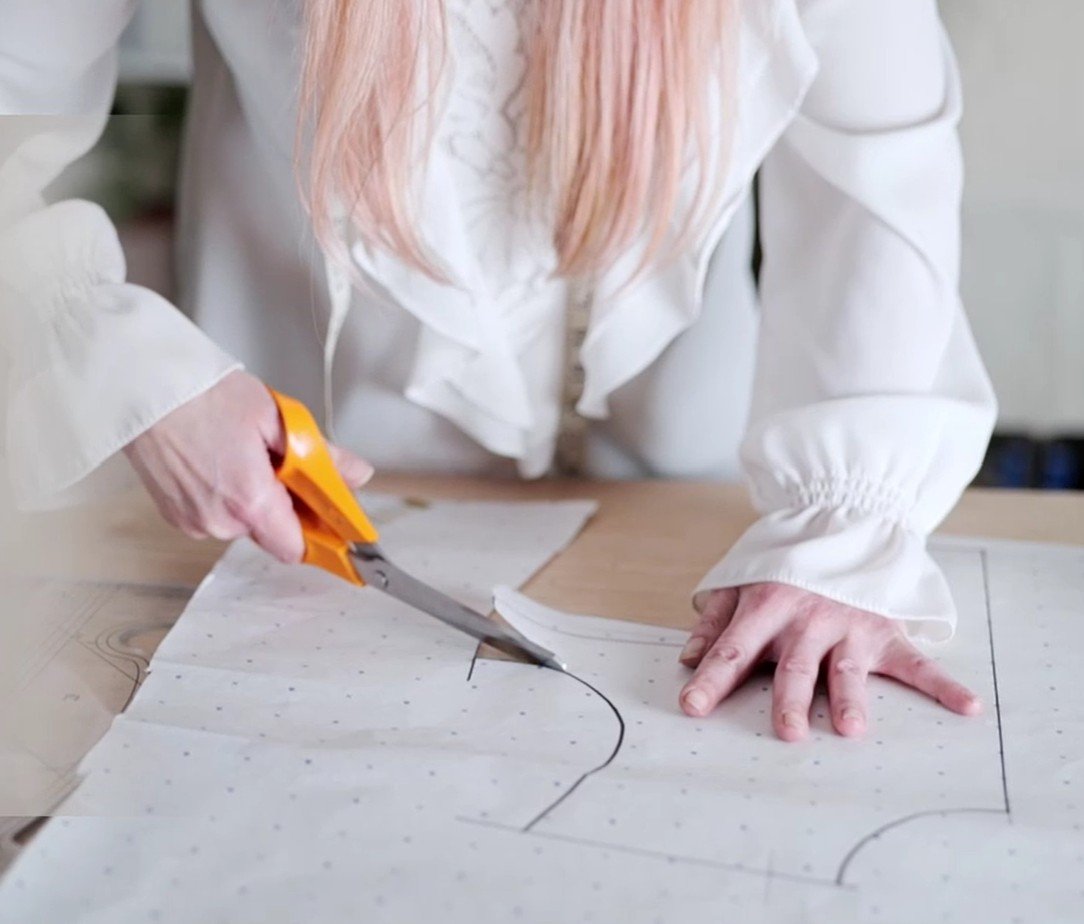
THE SEW-READY PATTERN-MAKING MASTERCLASS
Learn professional pattern-making from Nancy Tauber, who has worked with Burberry, Victoria Beckham, Alexander McQueen, and JW Anderson. This step-by-step course teaches you to create custom patterns from scratch, achieve a perfect fit, and master the skirt and bodice techniques used in real couture houses—transforming measurements into luxury garments.
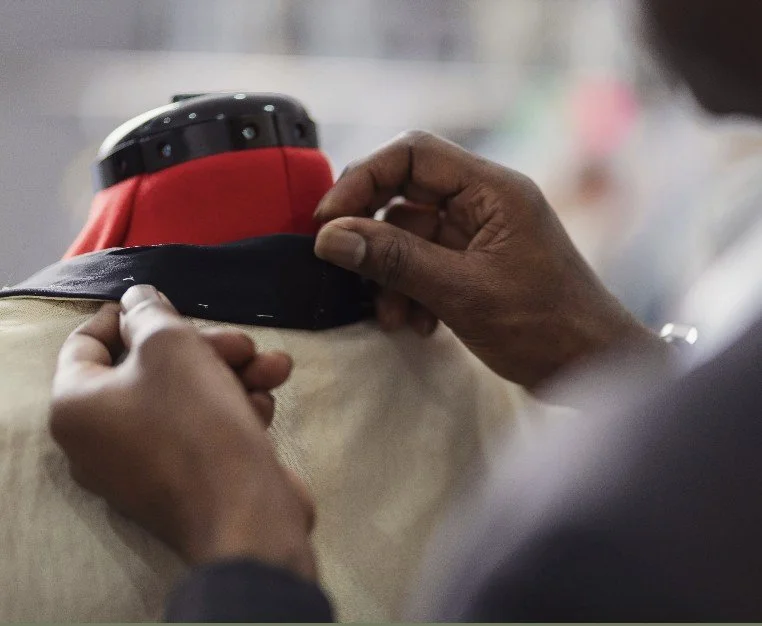
THE GARMENT SURGEON'S ALTERATION MASTERCLASS
Master the art of garment alteration with Ivor Nylander, known as "The Garment Surgeon" among Europe's elite fashion houses. With over 25 years working for Prada, Burberry, Gucci, and Savile Row's Maurice Sedwell, Ivor reveals professional tailoring secrets for perfecting fit on jackets, coats, trousers, and dresses—plus emergency fixes for last-minute outfit challenges.