Tim Walker’s Fairyland: From Fashion Fantasy to Queer Portraiture
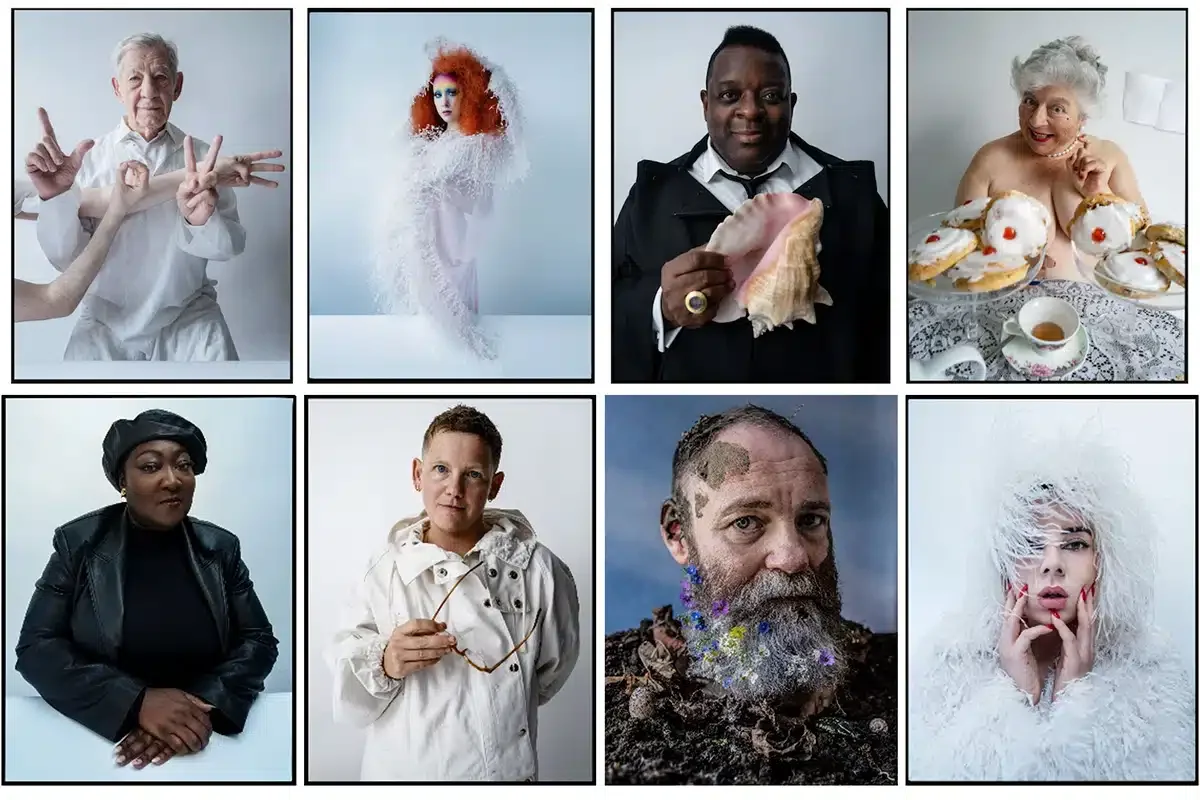
L-R: Ian McKellen, Love, London, 2023; Chappell Roan, Fashion: Chanel Haute Couture, New York City, 2025; Isaac Julien and Queen Conch Shell, London, 2023; Miriam Margolyes, Clapham Cream Teas, London, 2023; Lady Phyll, London, 2024; Kae Tempest, London, 2023; Francis Lee, Ode to Edward Carpenter, London, 2023; Shon Faye, London, 2025. © Tim Walker
Tim Walker's photography has long existed between fashion, theatre and fantasy. Since the 1990s, his images have combined couture, elaborate staging and constructed worlds to create portraits where clothing and setting shape identity as much as the sitter. Tim Walker's Fairyland: Love and Legends, opening at the National Portrait Gallery from 9 October 2026, will carry that visual language into a new context: a portrait of queer lives, communities and histories.
The exhibition will present around 250 newly commissioned portraits developed over five years, bringing together activists, artists, performers, writers and public figures including Ian McKellen, Isaac Julien, Miriam Margolyes and Chappell Roan. Rather than focusing on a single generation, Walker will place figures from different moments of queer history within the same visual conversation.
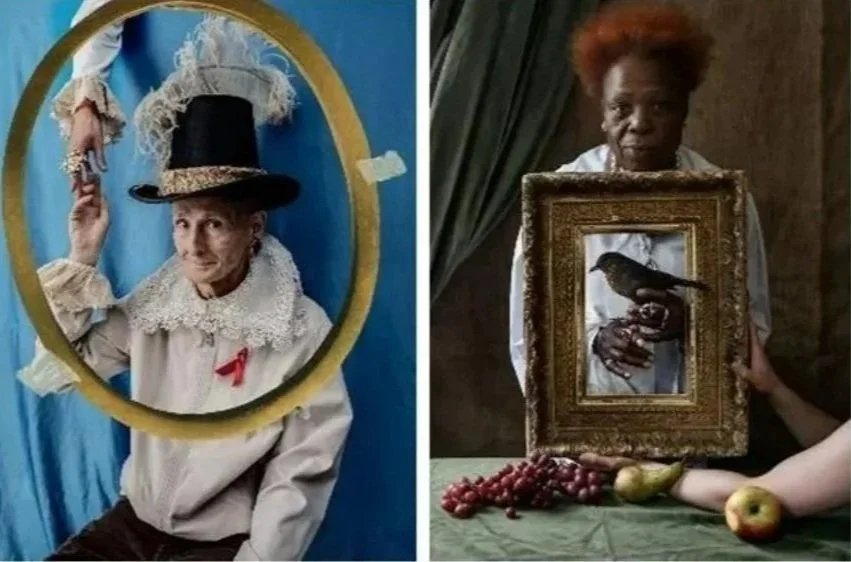
L-R: Andrew Lumsden (1941–2023) (after Nicholas Hilliard), London, 2023; Olivette Cole–Wilson and Blackbird, London, 2025 ©Tim Walker
The curation begins with those who fought for visibility and rights from the 1970s onwards, including members of the Gay Liberation Front and Stonewall, alongside the post-punk Rebel Dykes, whose activism spanned feminism, sexual liberation and HIV solidarity. Walker photographs these sitters using the conventions of sixteenth-century portraiture, drawing on the work of Hans Holbein the Younger and Nicholas Hilliard. A language once associated with power and status is redirected towards people whose influence was built through activism and community.
Objects chosen by the sitters themselves become part of this record. Jane Cholmeley appears with the sign from Silver Moon Women's Bookshop, while Isaac Julien holds the conch shell associated with his 1989 film Looking for Langston. These details connect individual portraits to the places, works and movements that shaped them.
The project also returns to the AIDS crisis of the 1980s, bringing together musicians, healthcare workers and campaigners whose work responded to the fear and discrimination of the period. Walker has described wanting to "bring that disco to the ward" — a phrase that captures the exhibition's attempt to place cultural memory alongside political action.
Fashion runs through the rest of the show as directly as it ever has in Walker's editorial work. Portraits of designers, performers and musicians treat clothing, makeup and transformation as the language people have used to claim visibility — not decoration, but a working tool of representation.
Designed by Walker's long-time collaborator Shona Heath, the exhibition moves between formal portraiture and staged imagery, concluding with works inspired by fairy tales and nursery rhymes. The title itself reclaims a word historically used as an insult, turning it into a space of imagination, humour and belonging.
"The greatest thing I learned from the activists, storytellers and performers who make up Fairyland is how essential eroticism and humour are," Walker said. The exhibition aims to position those qualities alongside protest and activism, showing how queer culture has been shaped as much by creativity and performance as by political struggle.
Tim Walker's Fairyland: Love and Legends will be on view at the National Portrait Gallery from 9 October 2026 to 7 February 2027.