Chintz Is About to Have a Museum Moment
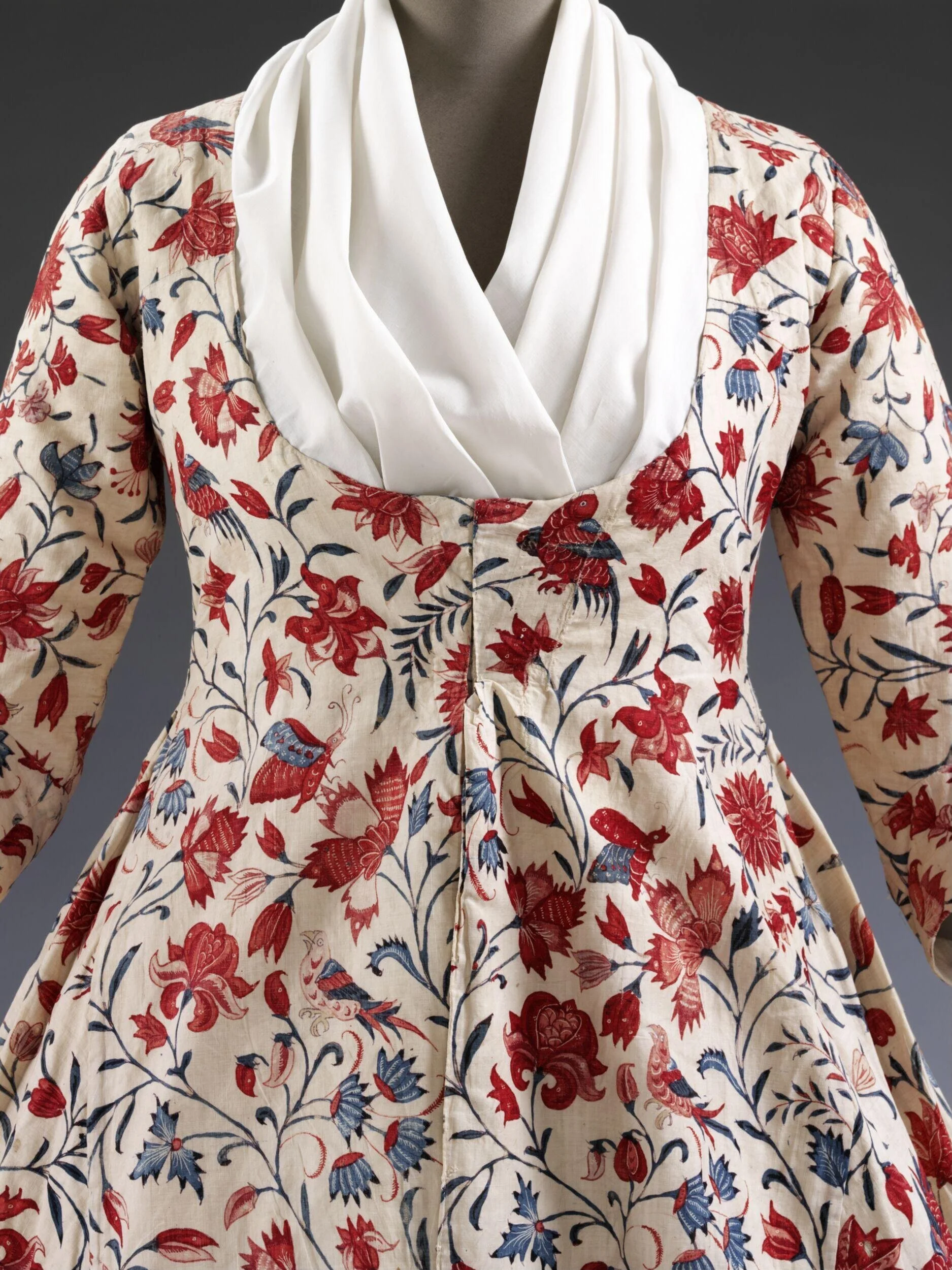
In 2027, two major European museums will devote exhibitions to the same textile: Indian chintz, the hand-painted and printed cotton that became highly fashionable in Europe from the seventeenth century onwards.
MoMu in Antwerp will open Chintz. A Blend of Craftsmanship and Controversy in December 2026; while the V&A will follow with its own Chintz exhibition in September 2027.
These are separate exhibitions, with different curatorial approaches, but together they return attention to the Indian makers and techniques behind a fabric whose European history is inseparable from trade, imitation and industrial competition.
By the time European merchants began importing Indian cottons at scale, the techniques behind them were already highly developed. Indian textile makers had established methods of spinning, weaving, dyeing and painting that produced colours and patterns European manufacturers struggled to reproduce.
The fabrics found a ready market — their saturated colour, botanical patterning and practicality made them desirable for both clothing and interiors — and demand grew quickly enough to alarm domestic textile industries. France banned chintz imports in 1686; Britain followed with restrictions that culminated in the 1721 Calico Act, prohibiting the use of imported printed cottons altogether. None of it dampened the appetite much. Chintz was smuggled, copied, and eventually manufactured in Europe, carrying not just its patterns but the processes behind them into a new domestic industry.
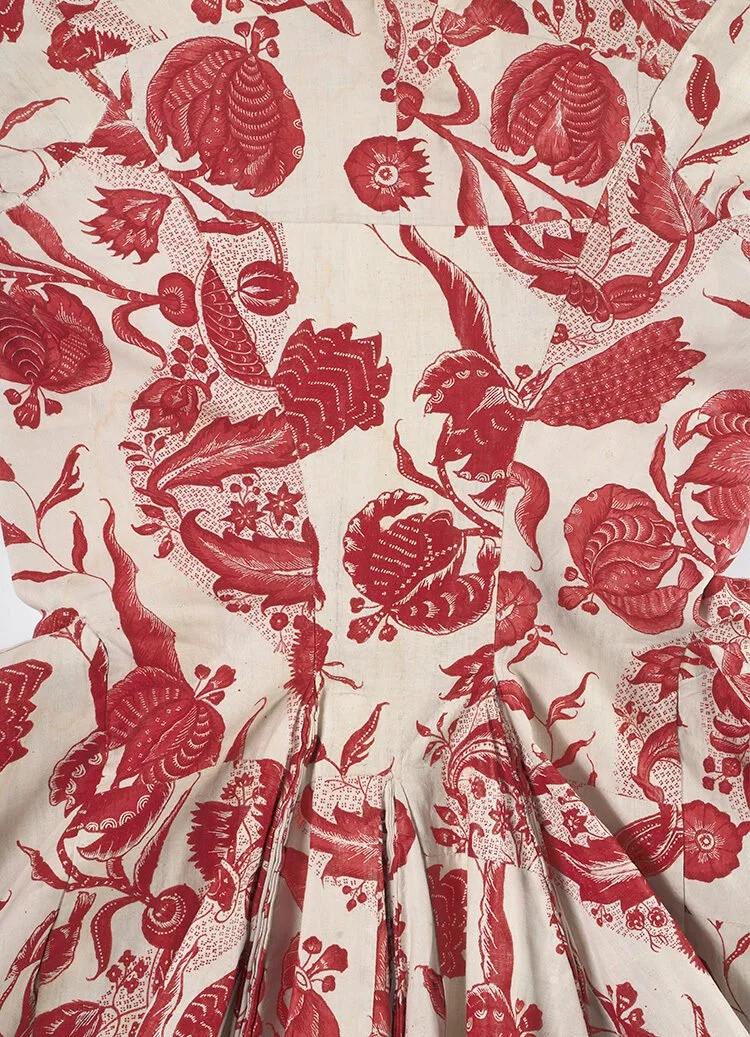
At MoMu, A Blend of Craftsmanship and Controversy will approach the textile through craftsmanship, trade, and cultural exchange. Built around MoMu's historical textile collections, it aims to treat chintz as a record of the communities, economies and political structures it passed through — a fabric as document, not just decoration.
The V&A will take a different route. Drawing on its own collection alongside pieces from the Karun Thakar Collection, the exhibition will lean harder into chintz as visual art. The emphasis will shift the focus back to the Indian makers and techniques behind a textile more often remembered in Europe for its afterlife — the gowns, interiors and imitations it inspired.
European fashion history has typically begun the story when chintz arrived in European wardrobes, but both exhibitions will look beyond that European afterlife: Antwerp approaches chintz through movement and contested histories, while London places greater weight on its technical and visual achievement.
Chintz once provoked European governments into trying to suppress it. In 2027, Antwerp and London will instead celebrate the Indian craftsmanship behind it.
Chintz. A Blend of Craftsmanship and Controversy MoMu — Fashion Museum Antwerp 5 December 2026 – 6 June 2027 Guest curator: Meera Curam; MoMu curator: Wim Mertens
Chintz V&A South Kensington, London 18 September 2027 – 4 June 2028 Drawing on the V&A's own collection and the Karun Thakar Collection, with an emphasis on the artistic achievement and makers of South Indian chintz.