When Tiffany Looked to America’s Landscape
George Frederick Kunz made his name with a tourmaline. As a young man, he sold an exceptional American specimen to Charles Lewis Tiffany, then became the company's first chief gemologist, spending decades searching for stones that jewellers had barely noticed. Maine tourmalines and Montana sapphires reached Tiffany's workshops through his interest in American minerals and in the early 1900s, a pink-lilac spodumene from California was named kunzite in his honour.
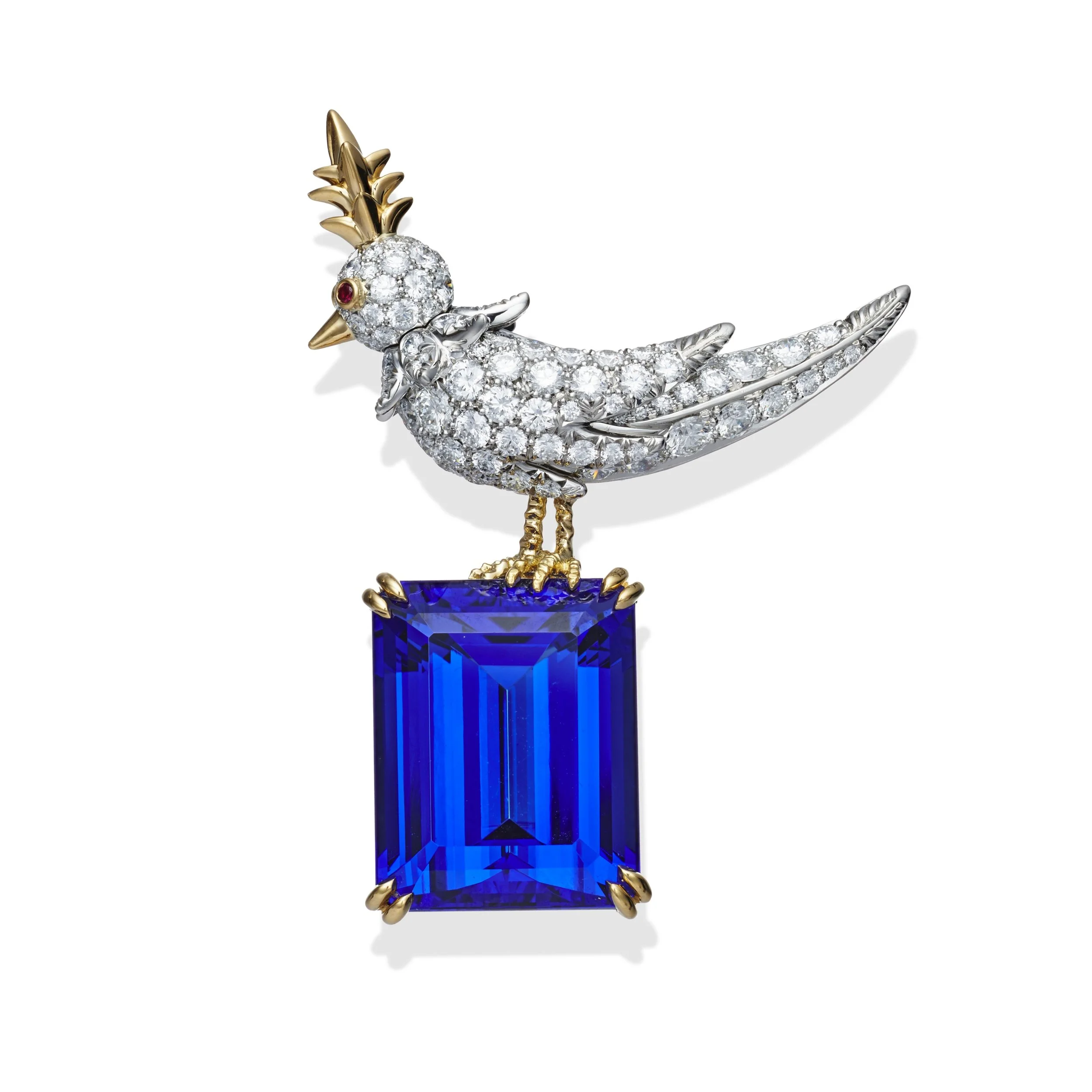
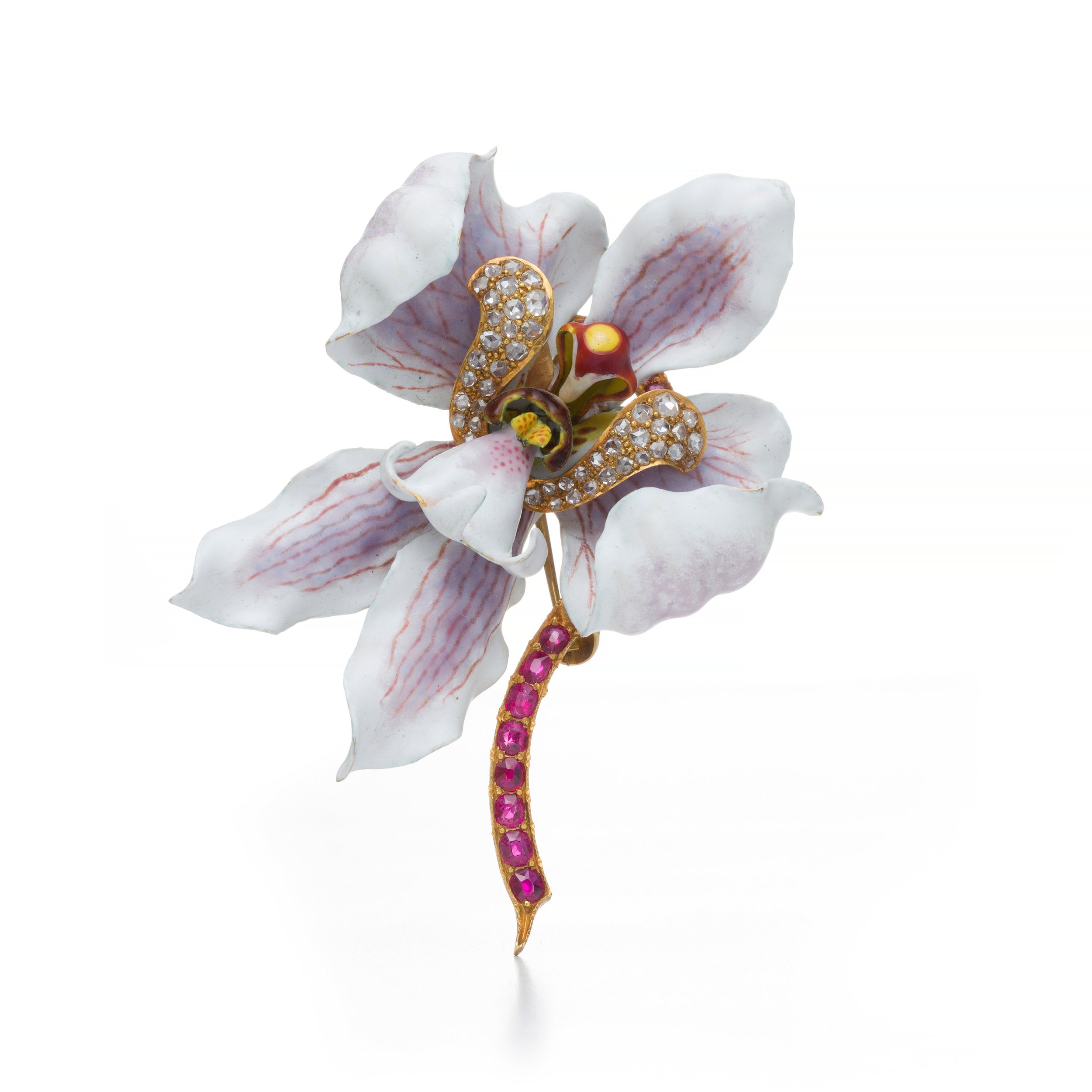
While Kunz was searching for distinctive American gemstones, Tiffany’s designers were turning orchids, birds and leaves into jewellery. Nature Adorned: The Artistry of Tiffany & Co. and the American Imagination, opening at Crystal Bridges Museum of American Art in Bentonville, Arkansas, on October 9, 2026, will bring those two strands of the company’s history into view.
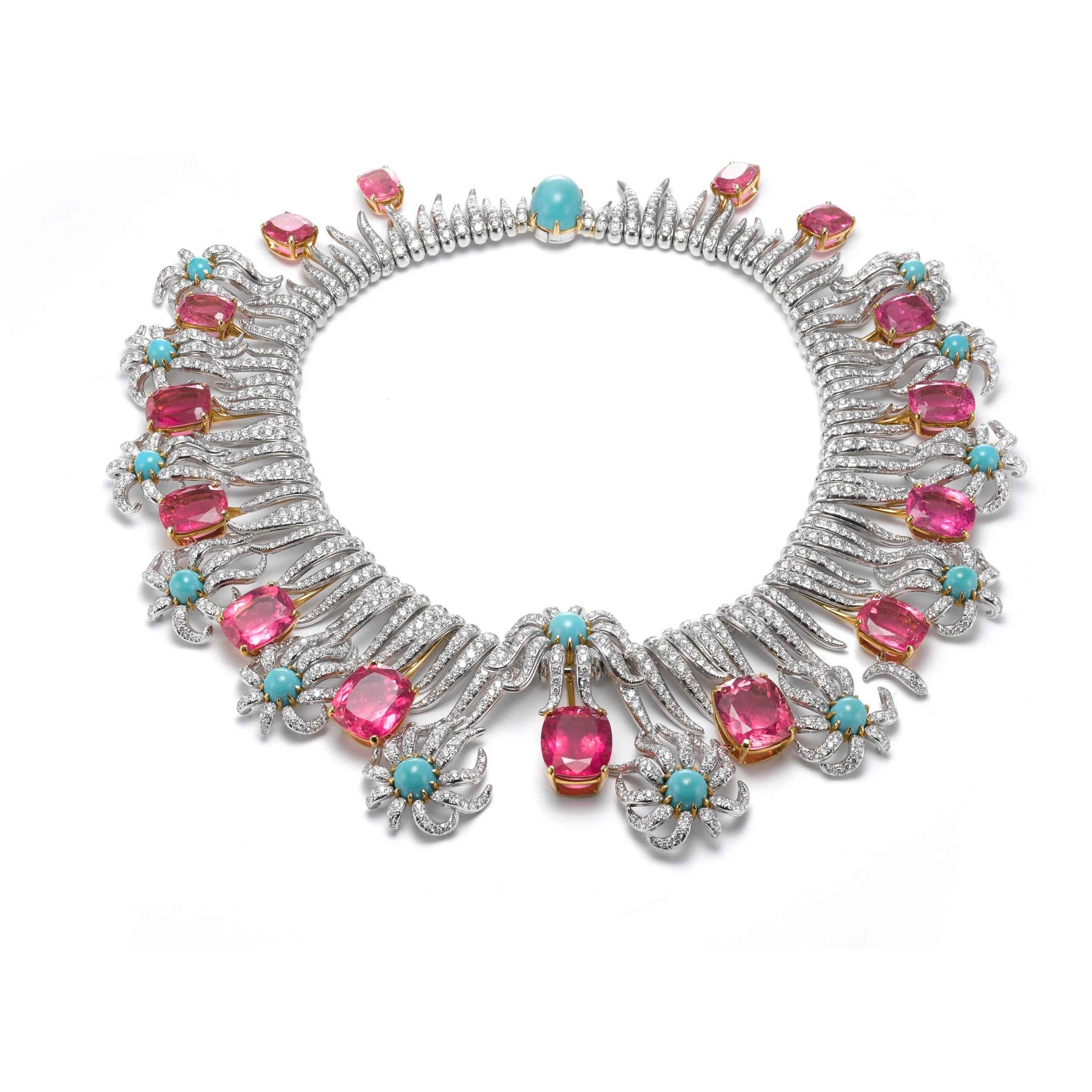
Jean Schlumberger’s Hedges and Flowers
Jewellery and gemstones from Tiffany's archives will be shown among the museum's paintings, sculpture and decorative arts, placing the company's jewellery within a wider history of American art.
Among the Tiffany pieces on display will be the Arkansas Diamond, discovered in 1926 and purchased by Tiffany & Co. in 1946. Uncut and pale yellow, it is among the largest diamonds found in the United States, and it has remained a singular object in the Tiffany Archives.
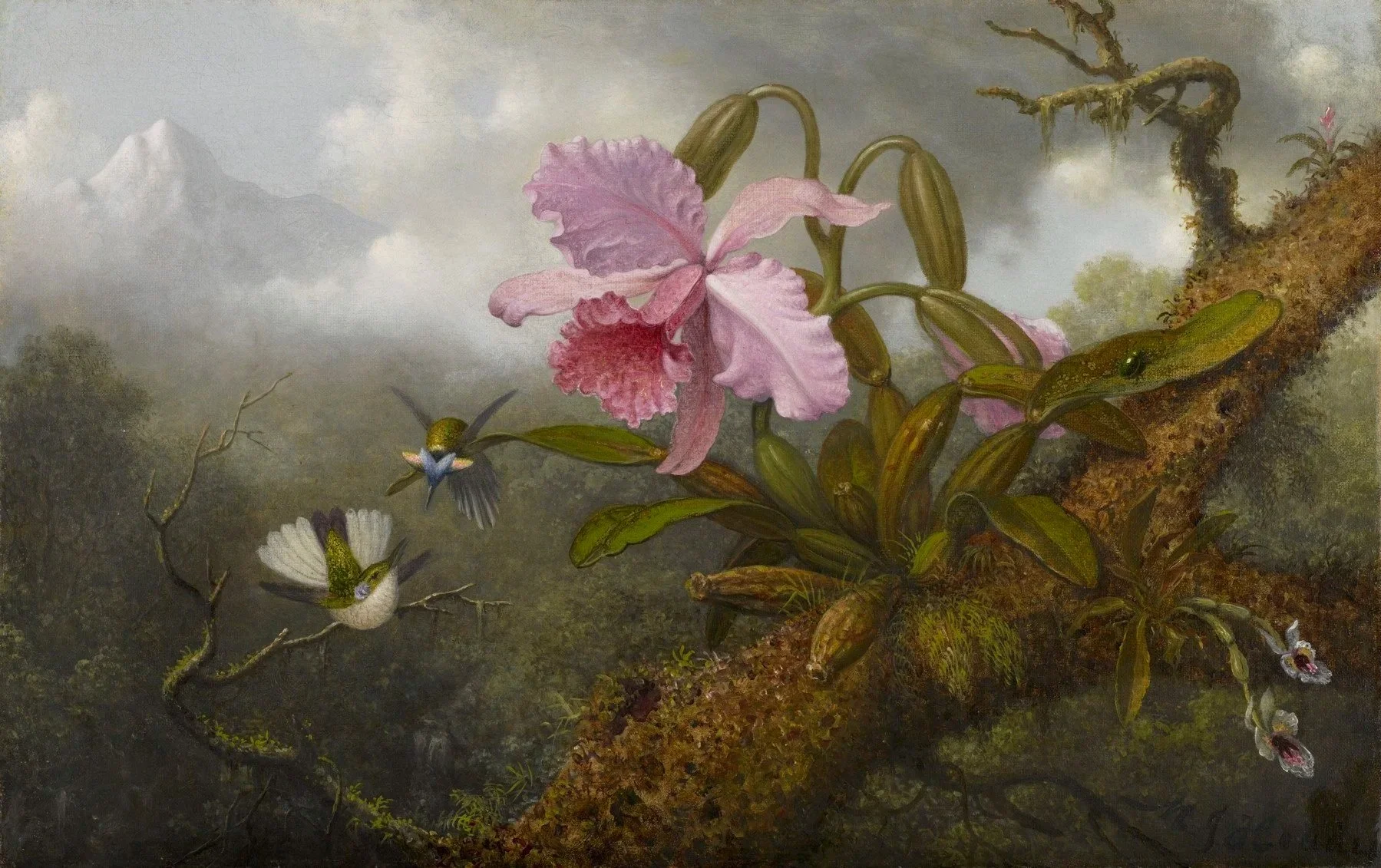
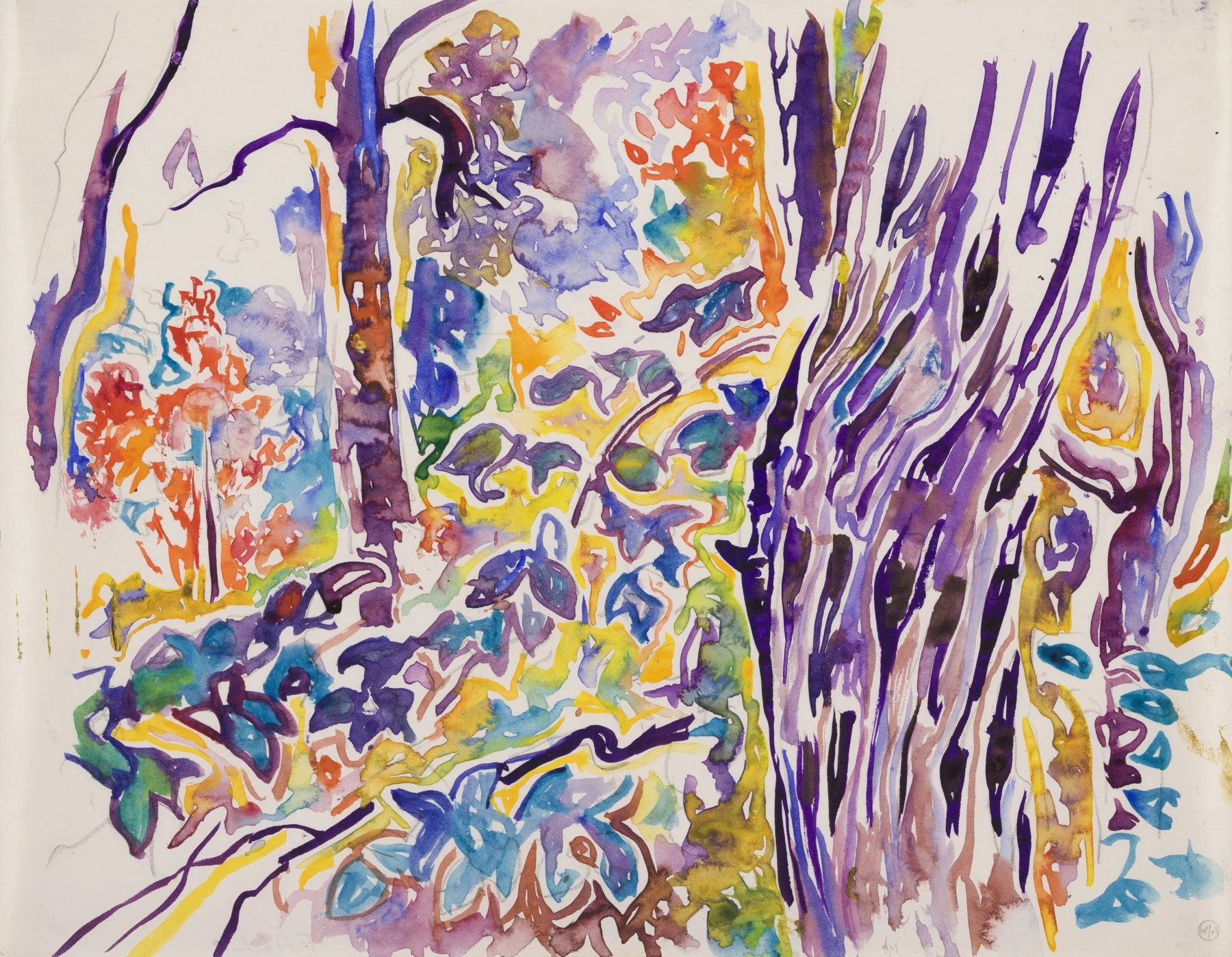
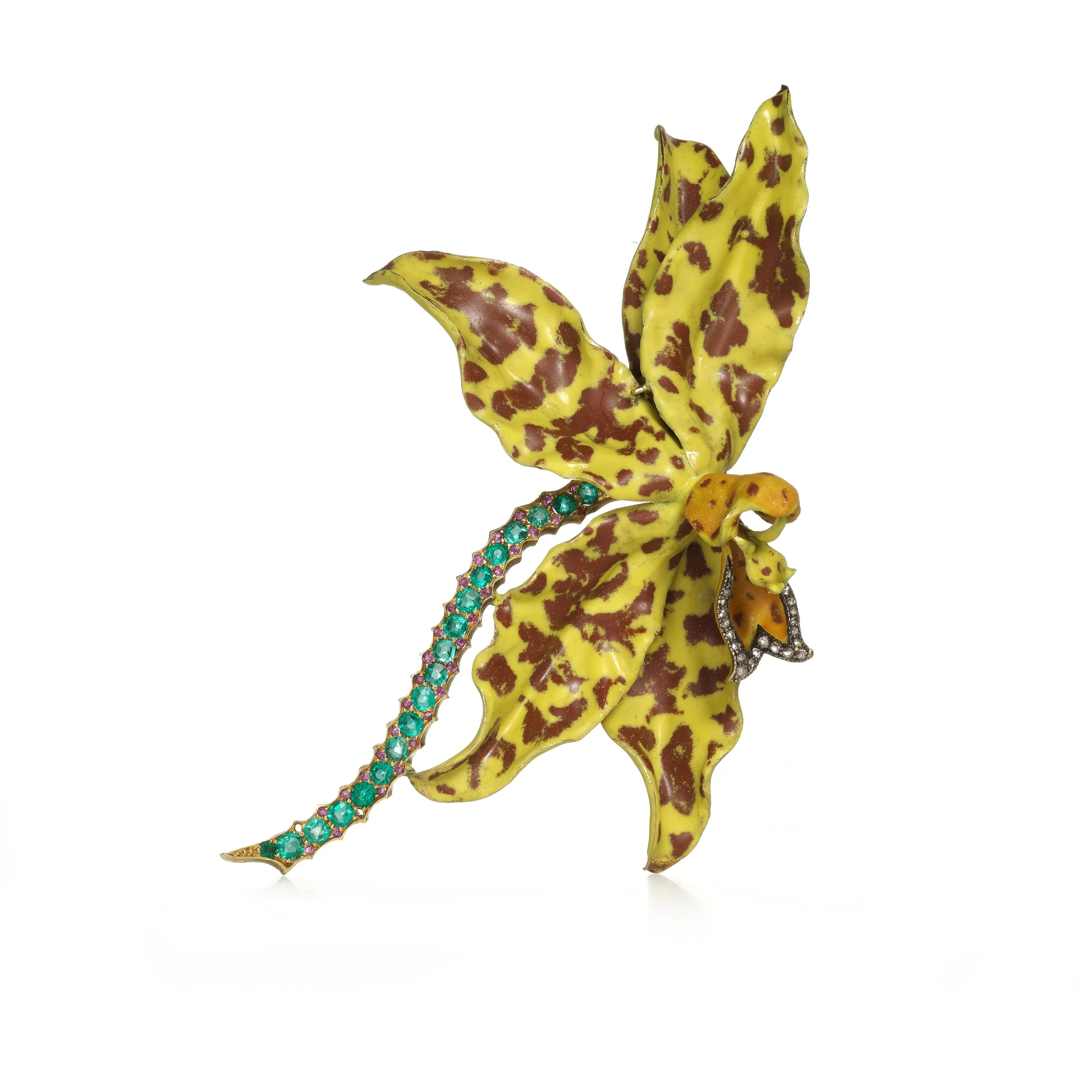
Alongside the diamond will be jewellery from Tiffany & Co.’s archives ranging from 1885 to 1987. George Paulding Farnham’s enamel orchid brooches, made between 1889 and 1893, will showcase the precision of botanical studies achieved early on by the Tiffany atelier. Shown with paintings by Martin Johnson Heade and William Jacob Hays Sr., they share an interest in close observation of the natural world, translated into enamel and paint.
Decades later, Jean Schlumberger’s Hedges and Flowers necklace took a looser, more sculptural approach, gathering stems and blossoms into a dense mass of gold and gemstones. It will be shown near Hope Gangloff’s Queen Jane Approximately (2011), where pattern fills almost every part of the canvas.
Seen together, the works trace a century of changing ideas about how nature could be translated into jewellery, from Farnham’s botanical precision to Schlumberger’s sculptural exuberance.
The exhibition runs at Crystal Bridges from October 9, 2026, through March 29, 2027.