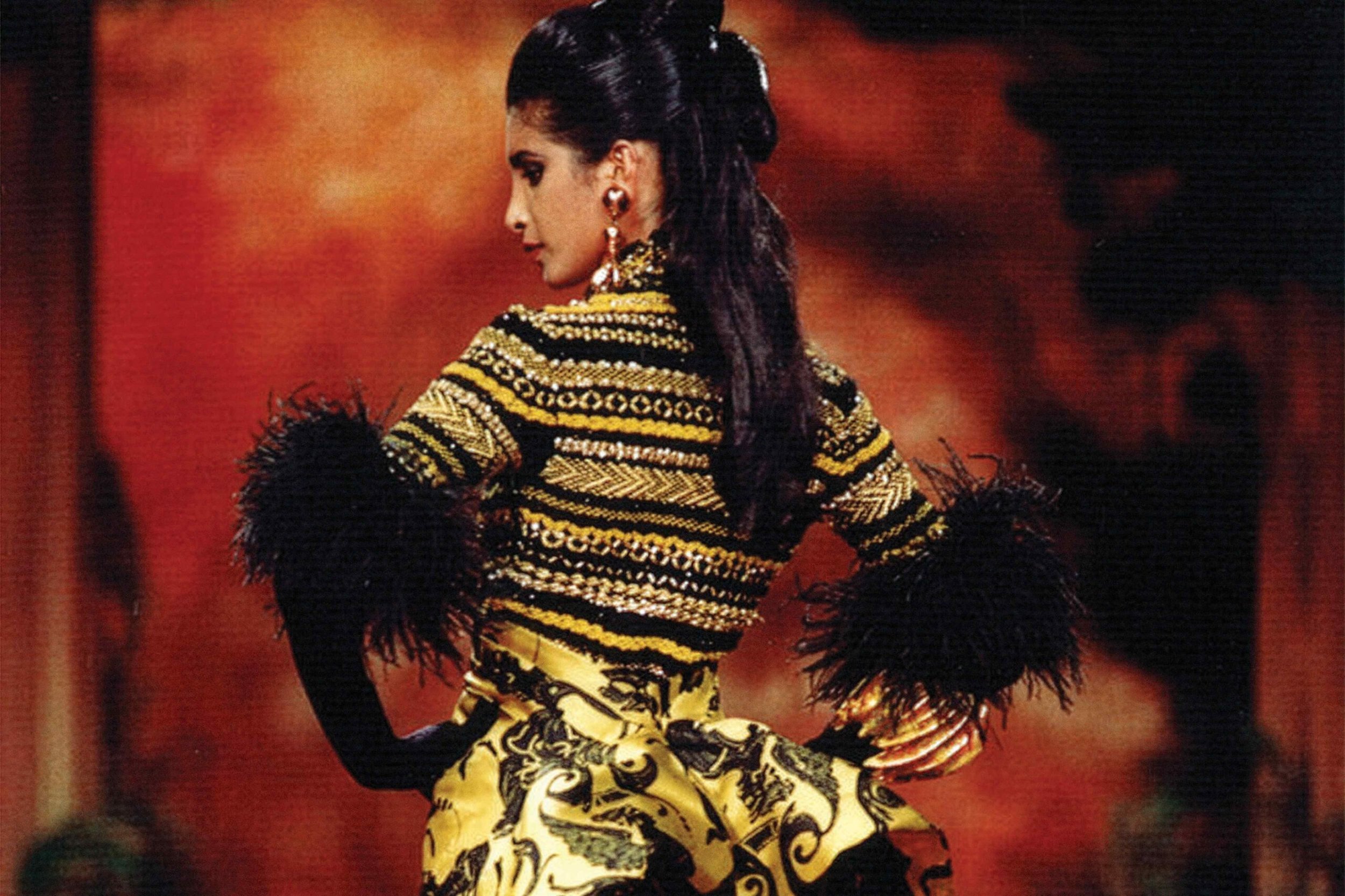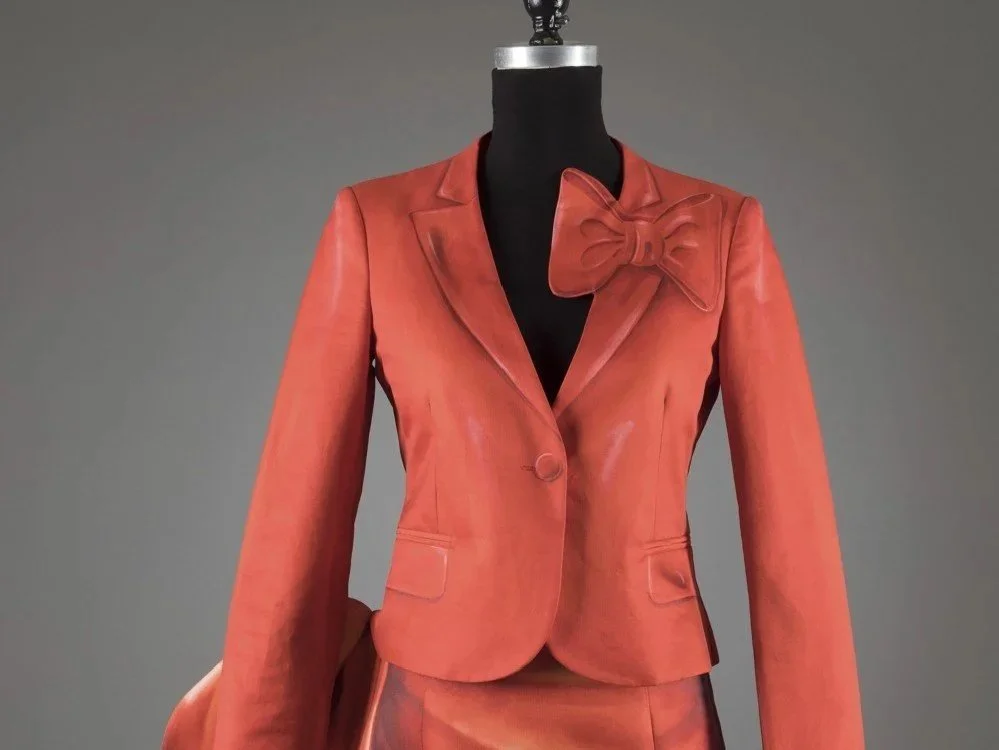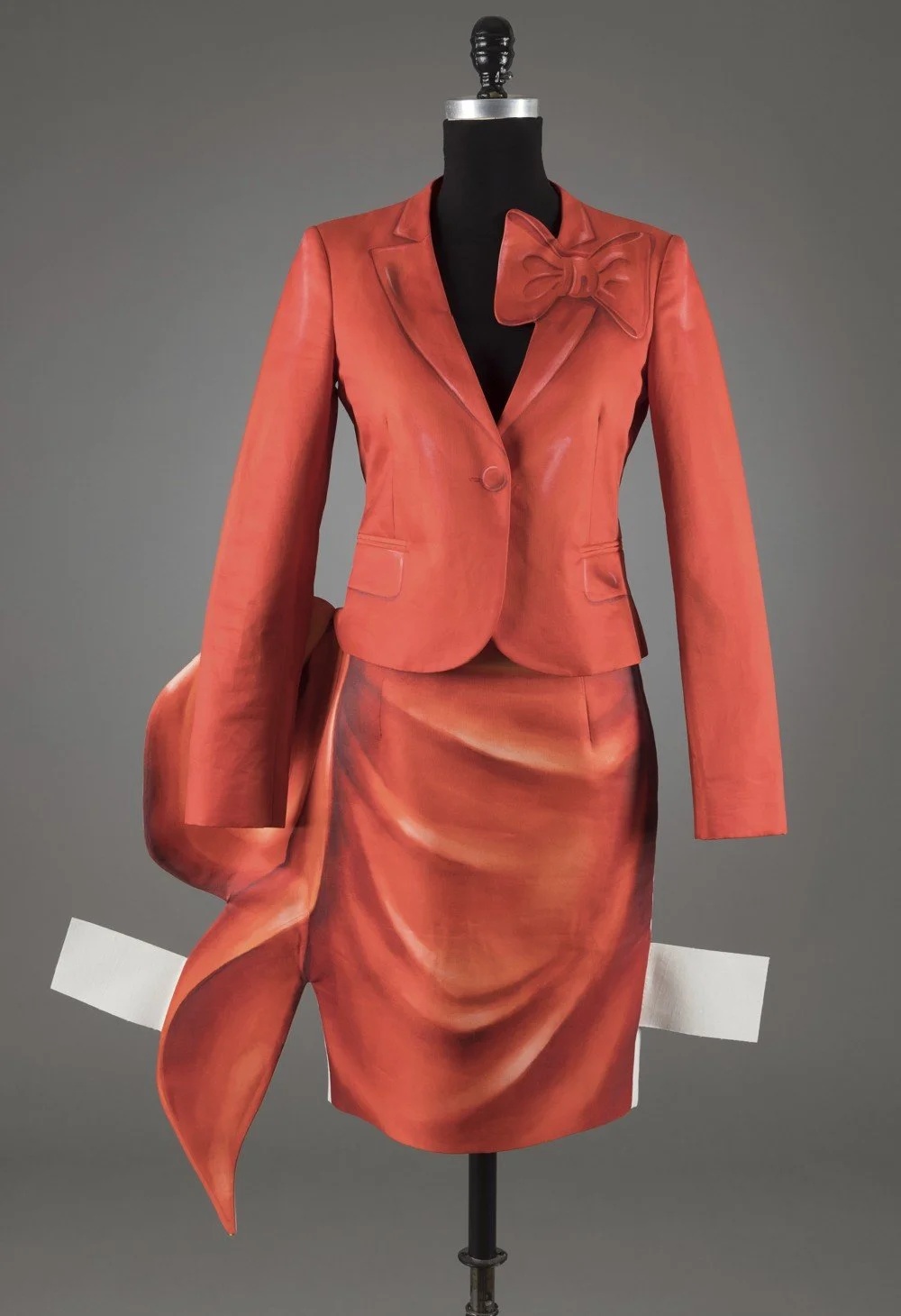
Moschino by Jeremy Scott, jacket and skirt with trompe l’oeil print and “paper doll” tabs, Spring 2017
Before the runway livestream, the magazine editorial or the mood board, there was the doll.
As early as the 14th century, miniature figures dressed in scaled-down versions of contemporary fashion circulated across Europe, serving as three-dimensional style reports studied by dressmakers and wealthy clients who could not travel to Paris themselves.
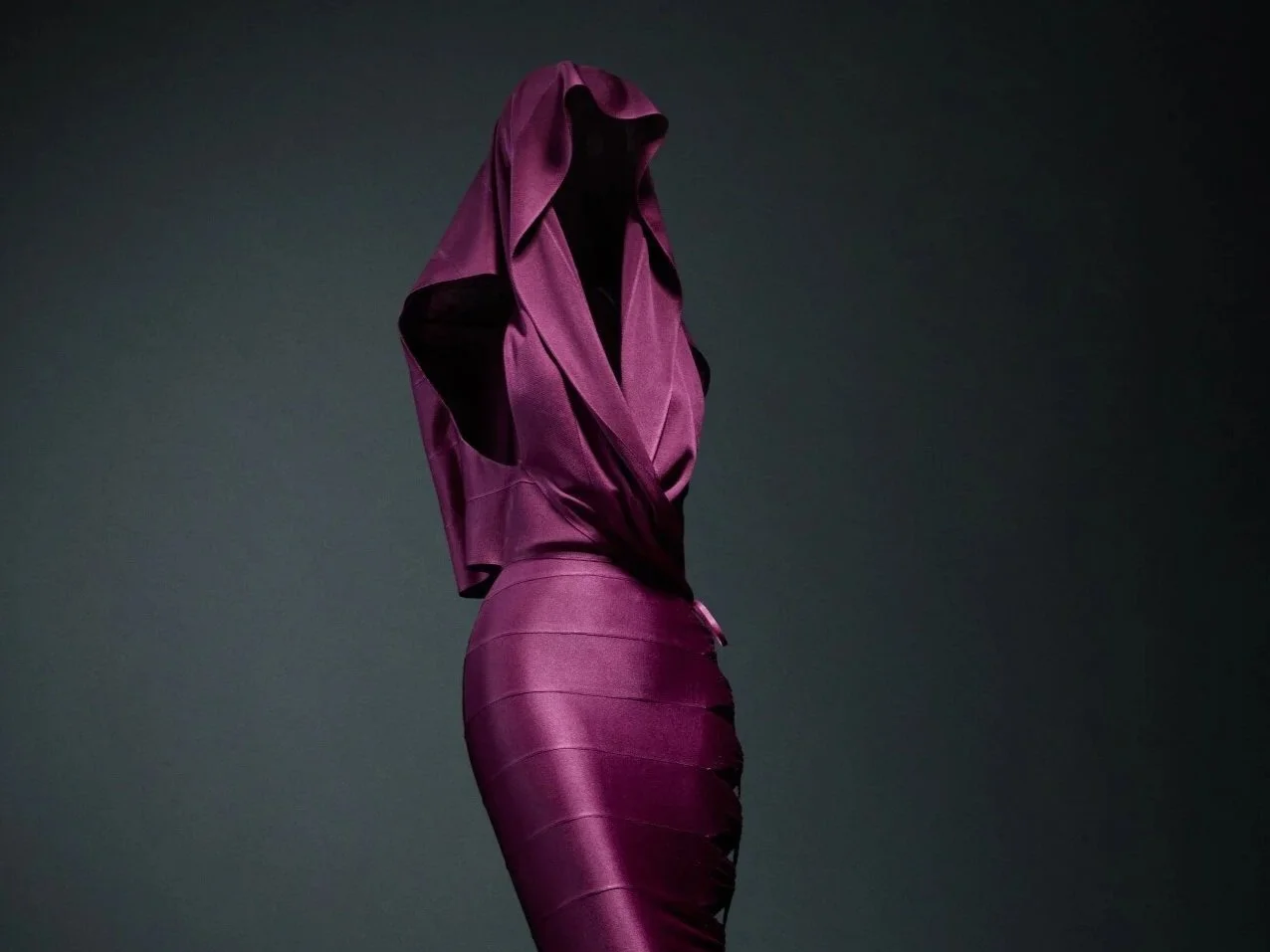
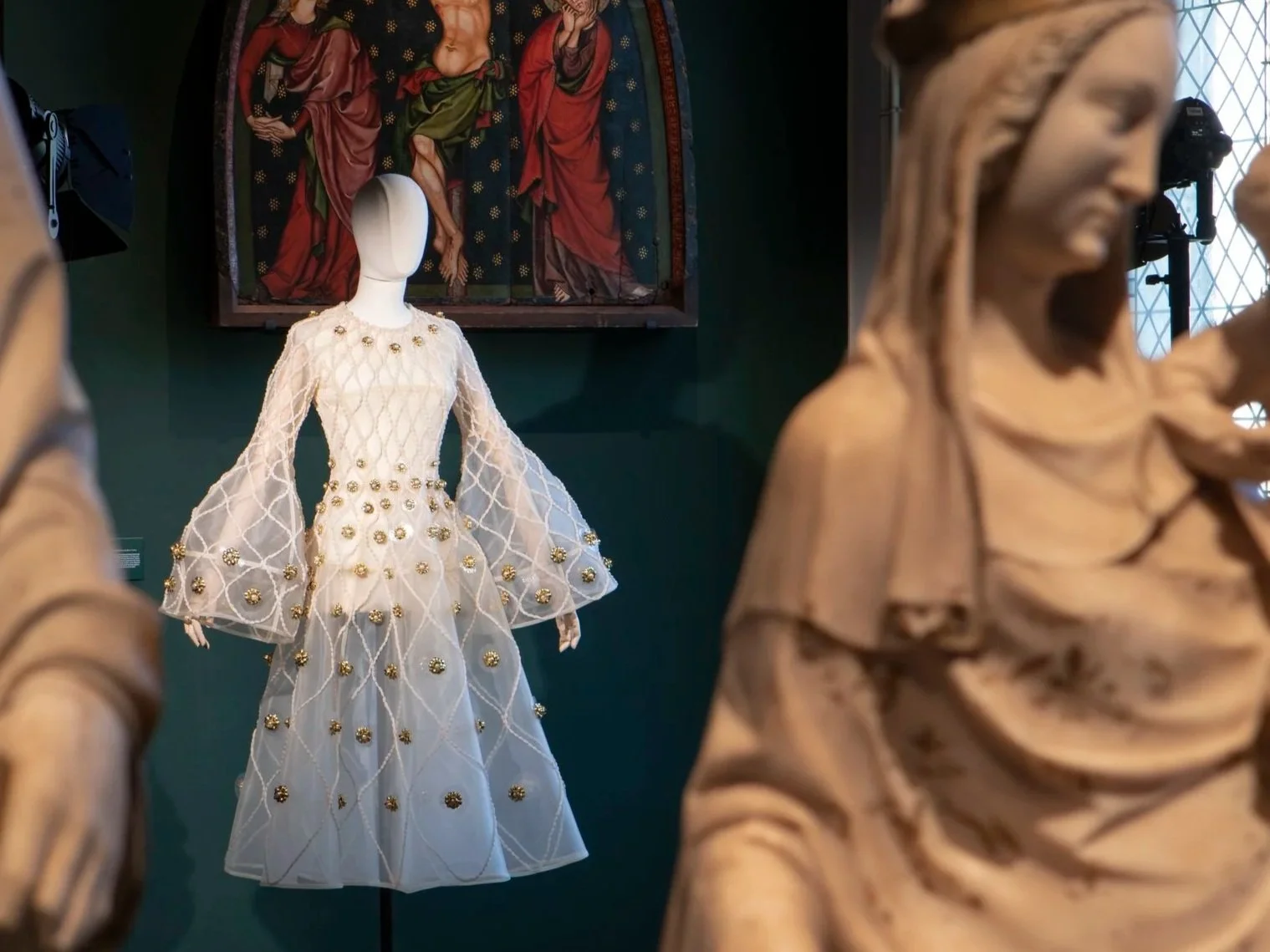
That largely forgotten history is the starting point for Doll Dressing, opening at The Museum at the Fashion Institute of Technology this September. Curated by Dr. Colleen Hill, the exhibition will bring together more than 170 objects — dolls alongside full-size garments, accessories, artworks and video — and a roster of designers ranging from Balenciaga and Comme des Garçons to Loewe, Moschino and Undercover.
Across centuries, the doll has functioned as a design tool, a vehicle for fantasy, a reflection of cultural ideals and, at times, a surprisingly sharp form of critique. The section Playing With Dolls will explore exactly that. For his Fall 1994 collection, Martin Margiela enlarged doll clothing and accessories to 5.2 times their original size. The awkward proportions, visible stitching and imperfect construction that could be overlooked on a miniature figure suddenly became impossible to ignore. Rather than creating a surreal spectacle, Margiela exposed the artifice embedded in fashion itself — and the industry's enduring fixation on the body.
Jeremy Scott picked up a related thread for Moschino in 2017, sending skirts down the runway complete with paper-doll tabs. The reference was playful, but it also felt like an accurate diagnosis. Fashion today is often consumed in miniature: flattened onto screens, reduced to images and endlessly circulated.
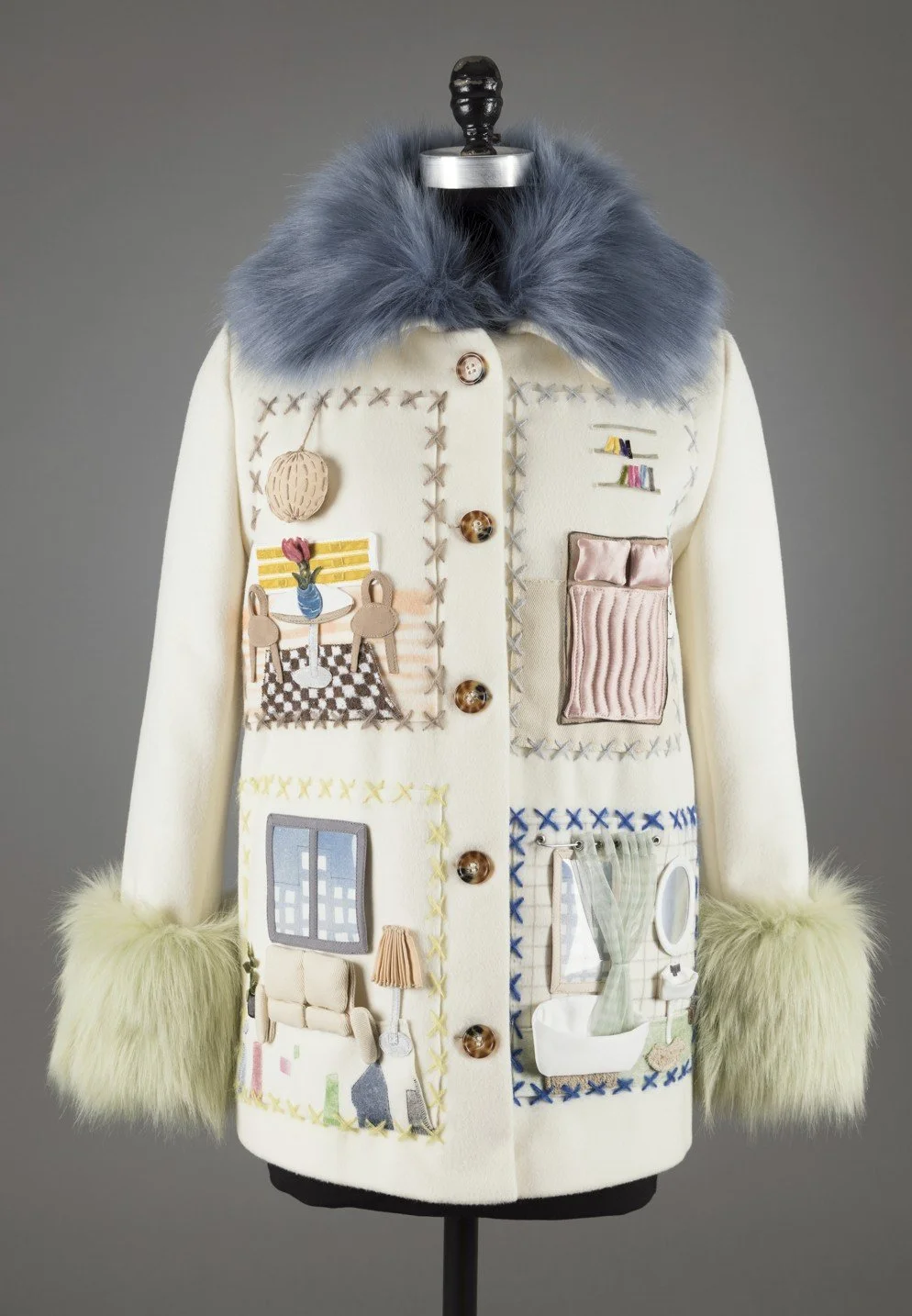
Lirika Matoshi, “Apartment” coat with faux fur trim, 2024
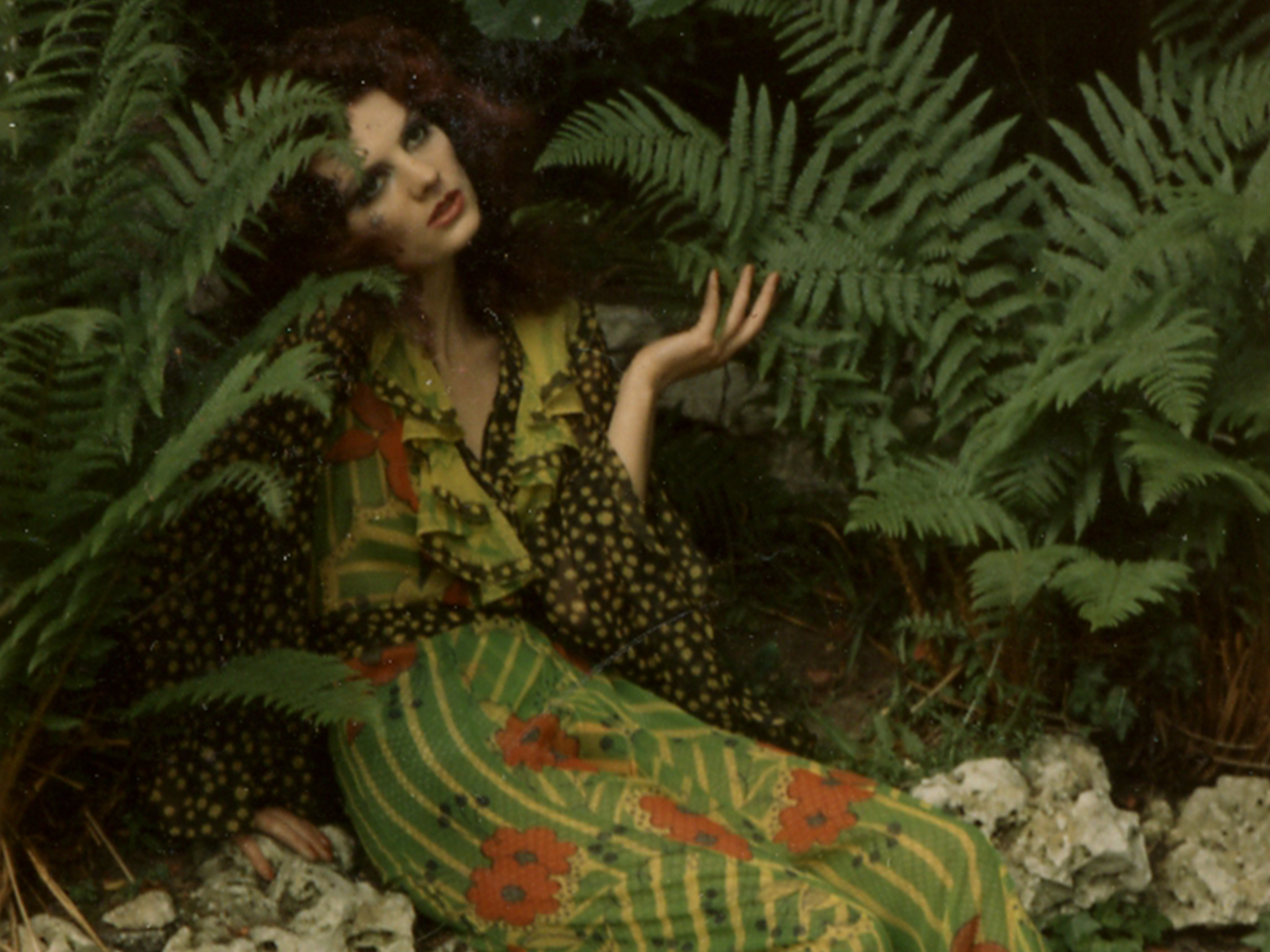
All Dolled Up will revisit figures such as the flapper, the dolly bird and the 21st-century Lolita — identities often dismissed as superficial, but presented here as deliberate acts of self-fashioning.
The mood will darken in Broken Dolls, which will move from the Kinderwhore aesthetic — the baby-doll dresses and dishevelled lace of early 1990s grunge, worn by figures such as Courtney Love as a deliberate subversion of innocence — to Monster High, Mattel's fashion-forward line of monster-themed dolls that turned the grotesque into something covetable. A Monster High doll dressed in a miniature of Virgil Abloh's 2017 Off-White collection will sit at the centre of that conversation — homage, commentary or something in between, depending on the viewer.
An 18th-century doll on loan from Colonial Williamsburg, once used to communicate the latest fashions to dressmakers who would recreate them at full scale, will put the entire conversation in perspective. The doll as influencer, trend forecaster or style messenger predates social media by centuries. Only the technology has changed.
Doll Dressing runs from September 16, 2026, to January 3, 2027, at The Museum at FIT in New York.