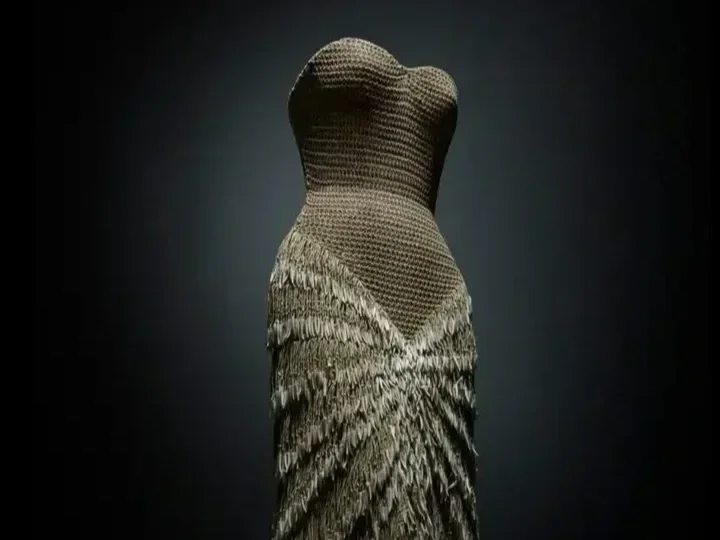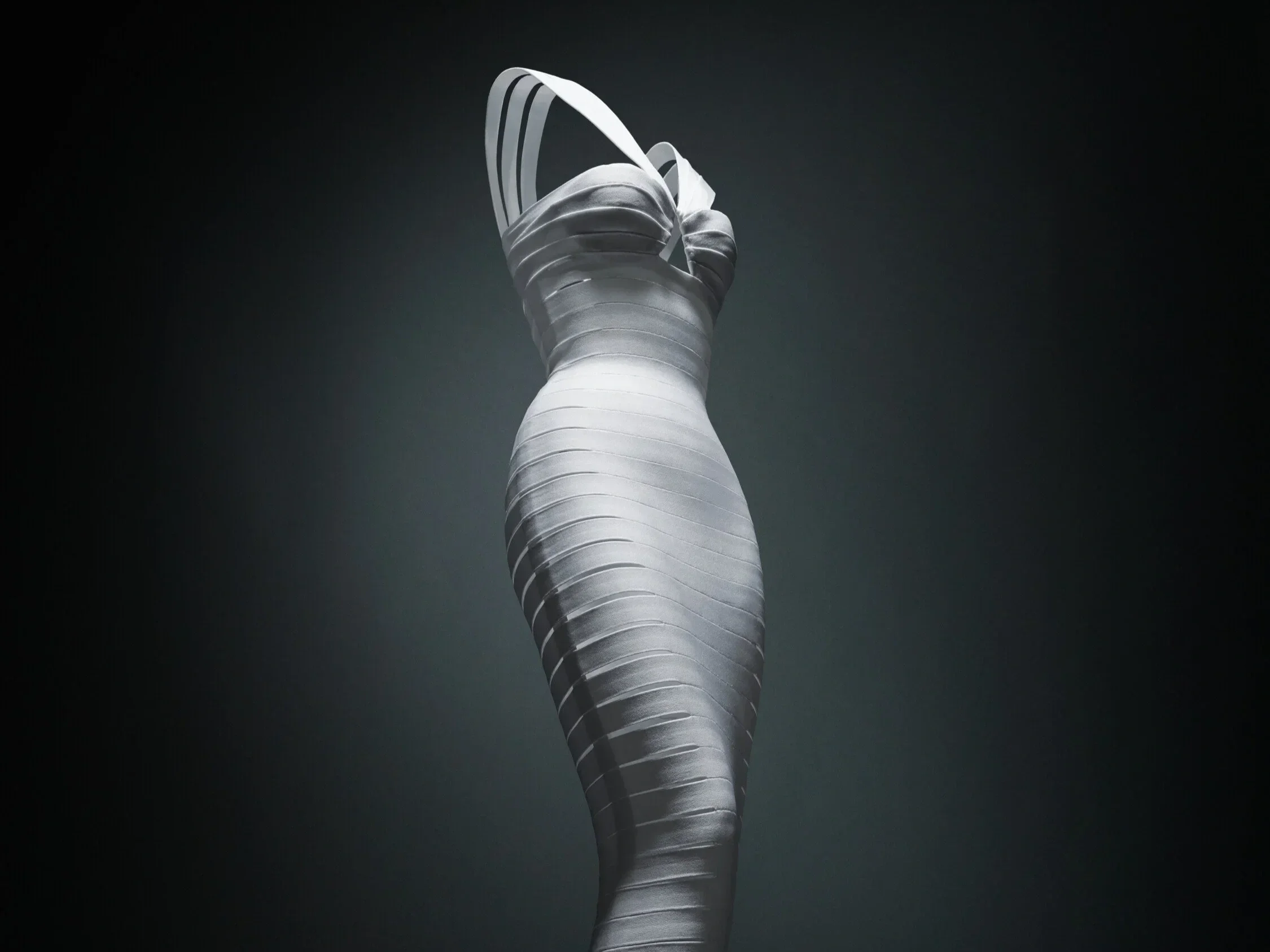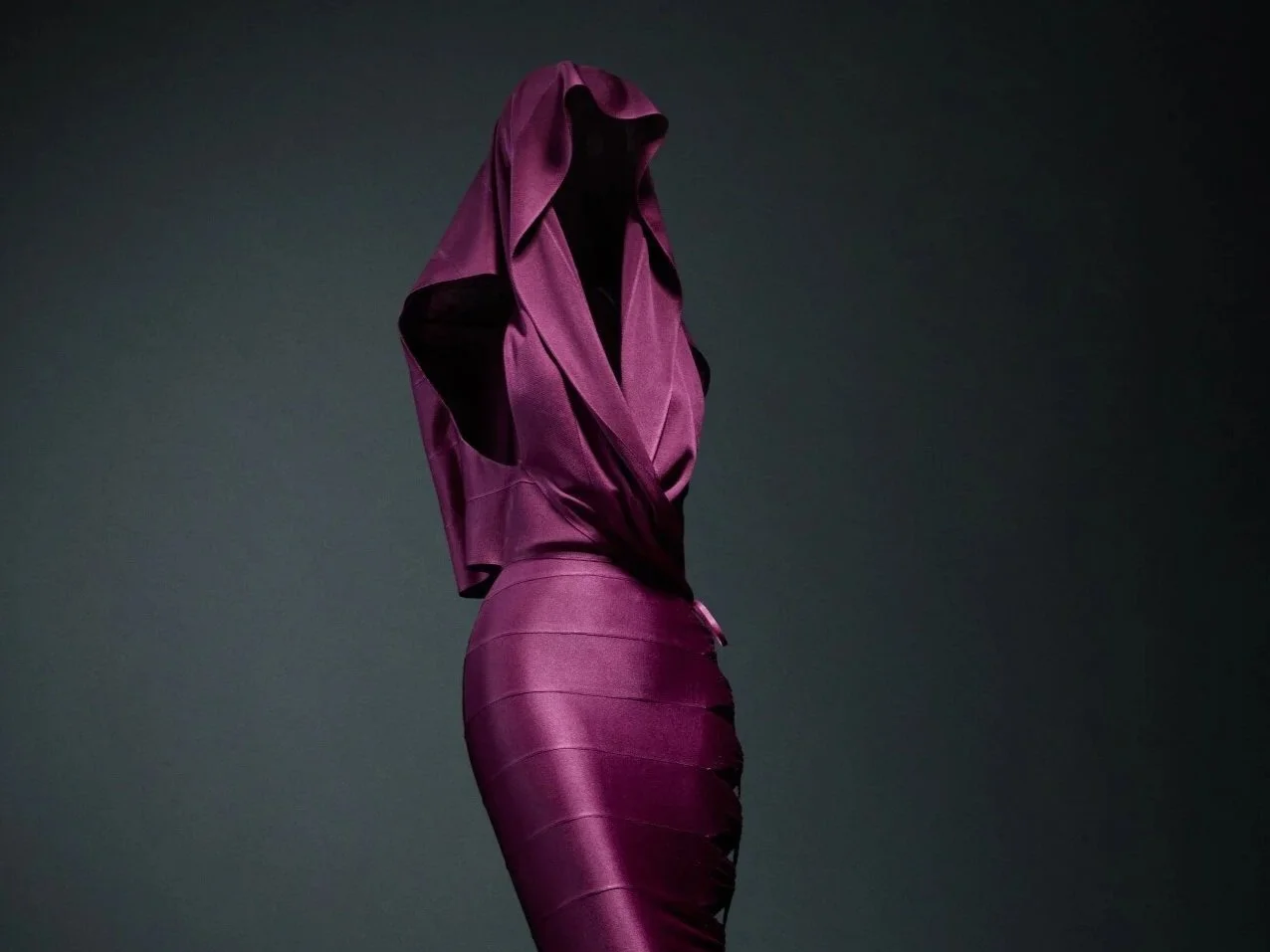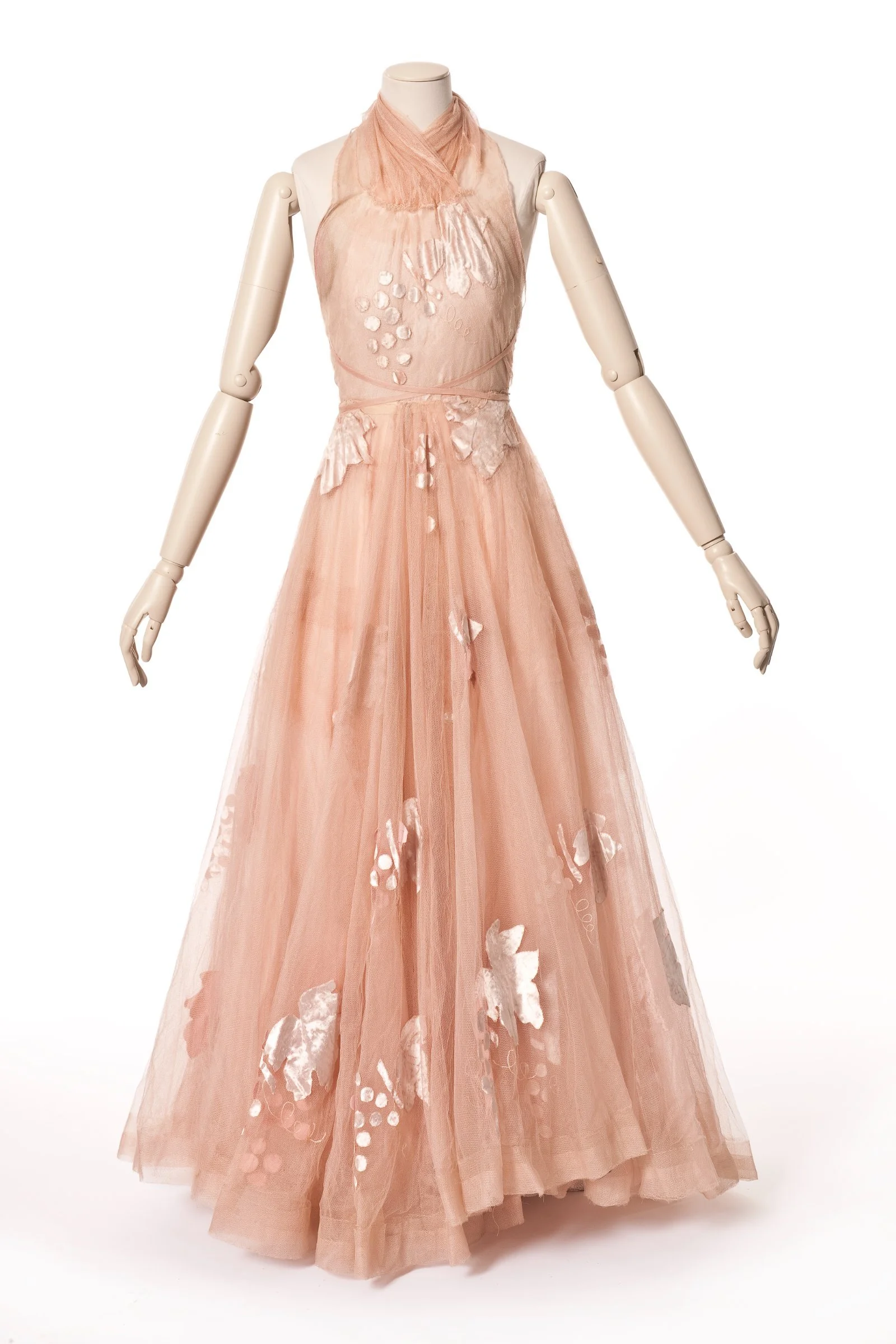
Madeleine Vionnet, 1938 — Présentée à l’exposition « Madeleine Vionnet » (2009) © Les Arts Décoratifs / Jean Tholance
For forty years, the Musée des Arts Décoratifs has not simply exhibited fashion — it has helped define how fashion is exhibited. Its upcoming anniversary exhibition, Look. 40 ans de mode au musée, arrives less as a nostalgic retrospective than as a reflection on how couture entered the museum canon and, in the process, reshaped the museum itself.
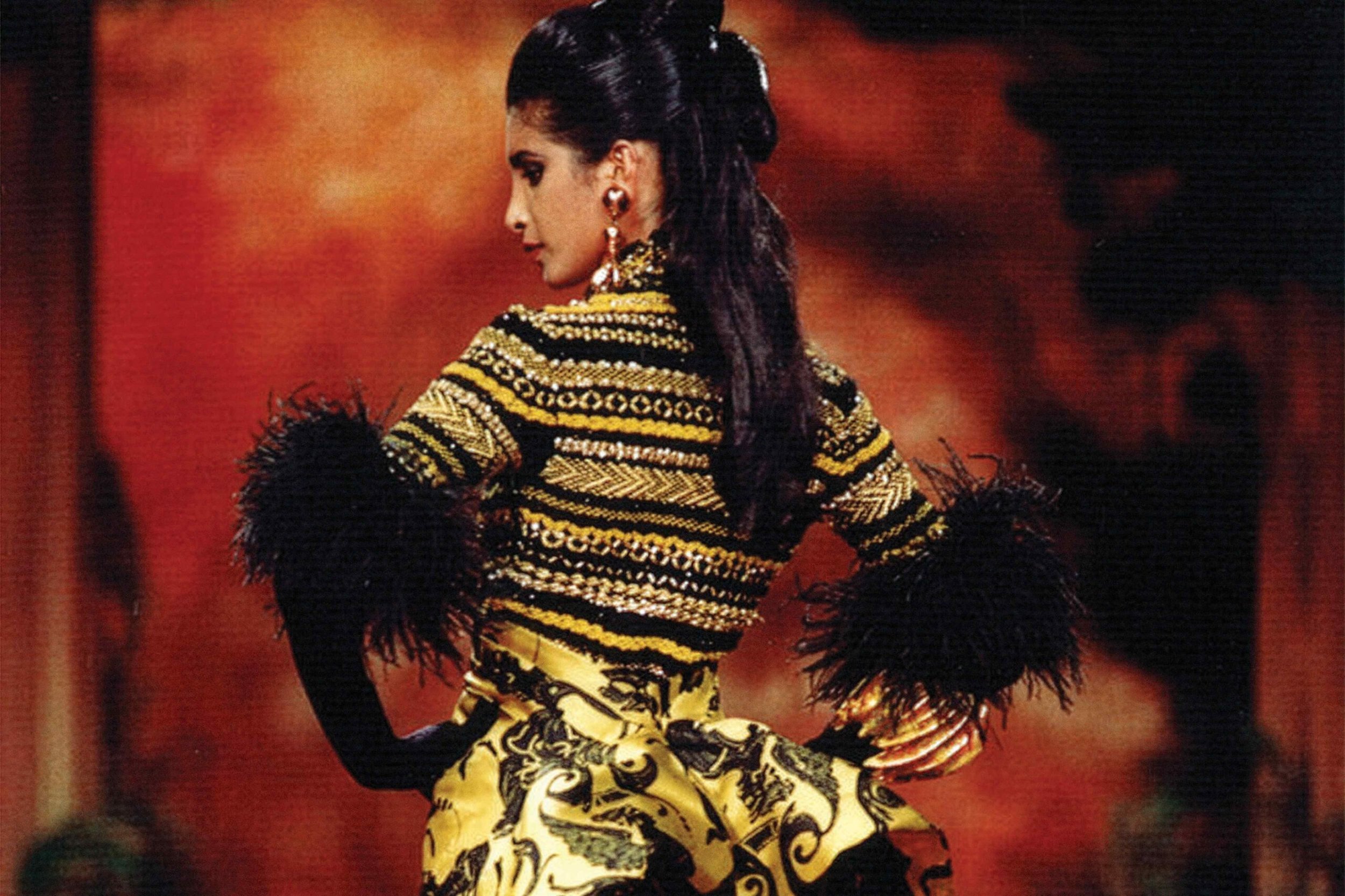
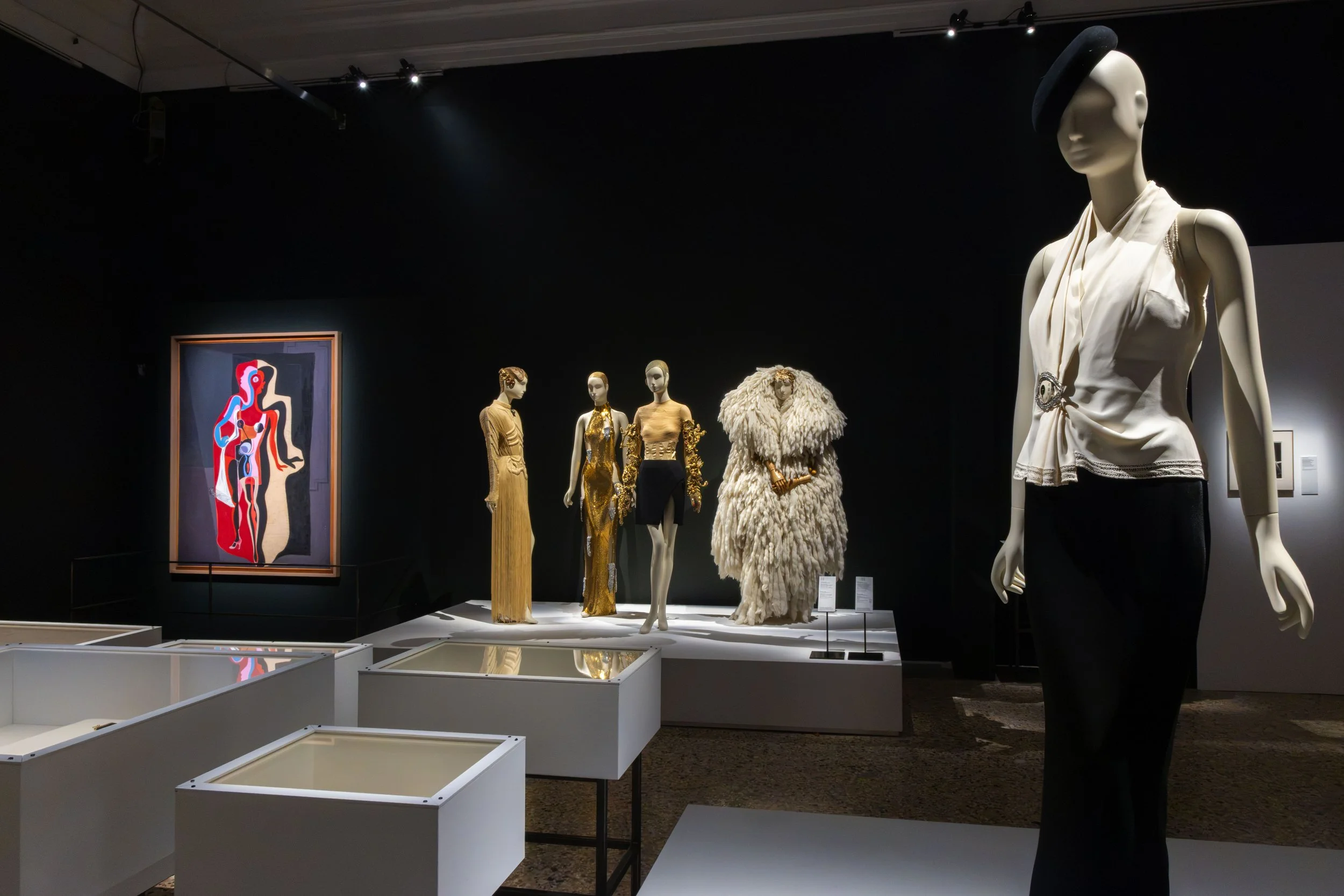
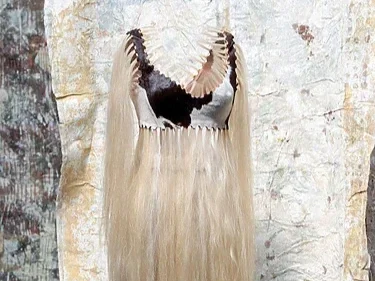
The exhibition retraces that evolution through forty silhouettes drawn from landmark exhibitions staged at the institution since the 1980s. Early shows focused largely on textile heritage, craftsmanship and dress history. Over time, however, the exhibitions became increasingly immersive, reflecting the growing cultural power of fashion imagery itself. Runway photography, scenography, celebrity and spectacle gradually moved from the periphery to the centre of the museum experience.
That shift reached a new scale with blockbuster exhibitions such as Christian Dior, couturier du rêve. Presented in Paris in 2017, the exhibition attracted more than 700,000 visitors before travelling internationally and later becoming the Victoria & Albert Museum’s most visited exhibition in history. The numbers mattered because they confirmed something museums had long sensed but rarely admitted so openly: fashion exhibitions had become one of the strongest audience drivers in contemporary museum culture.
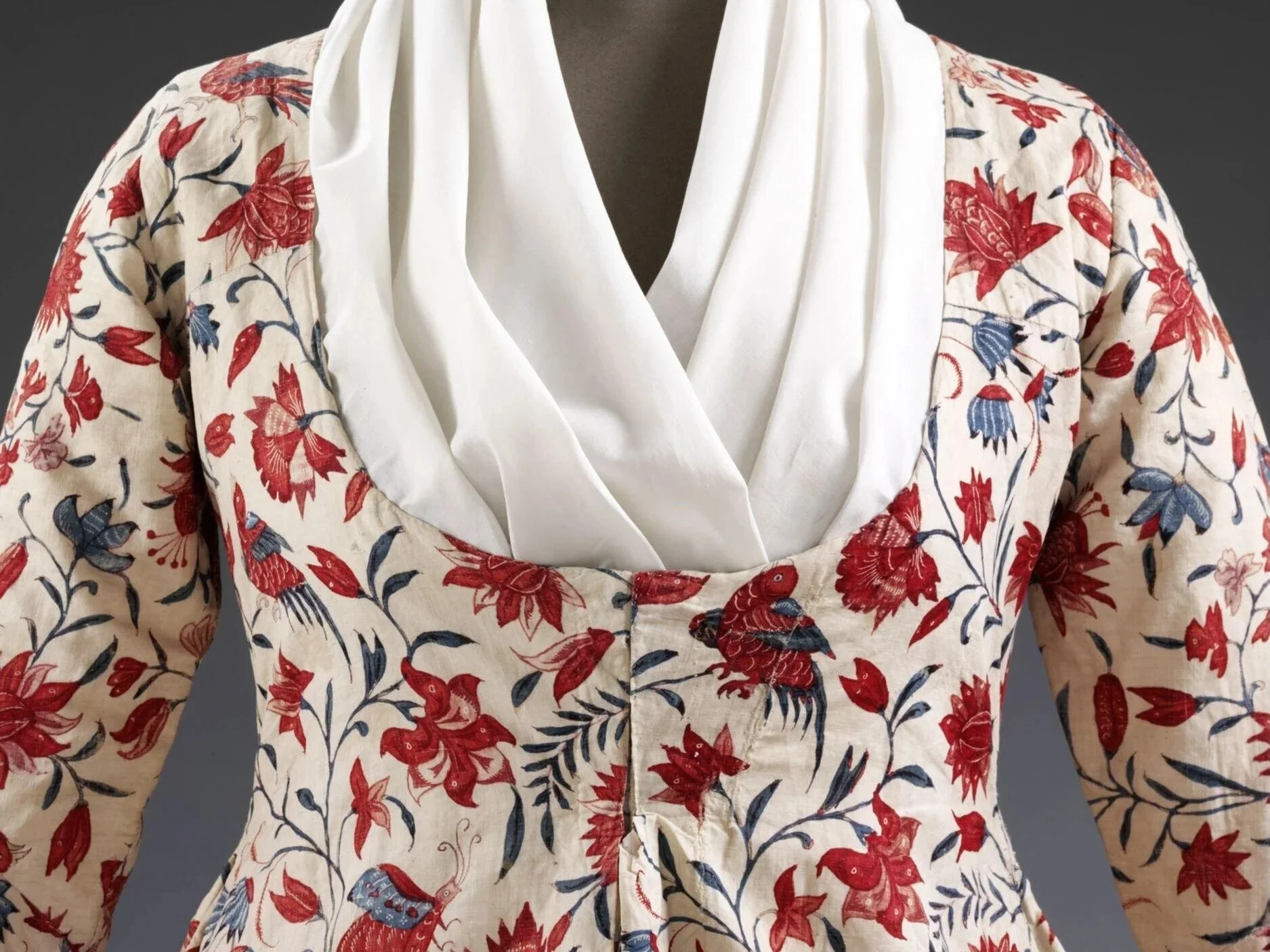
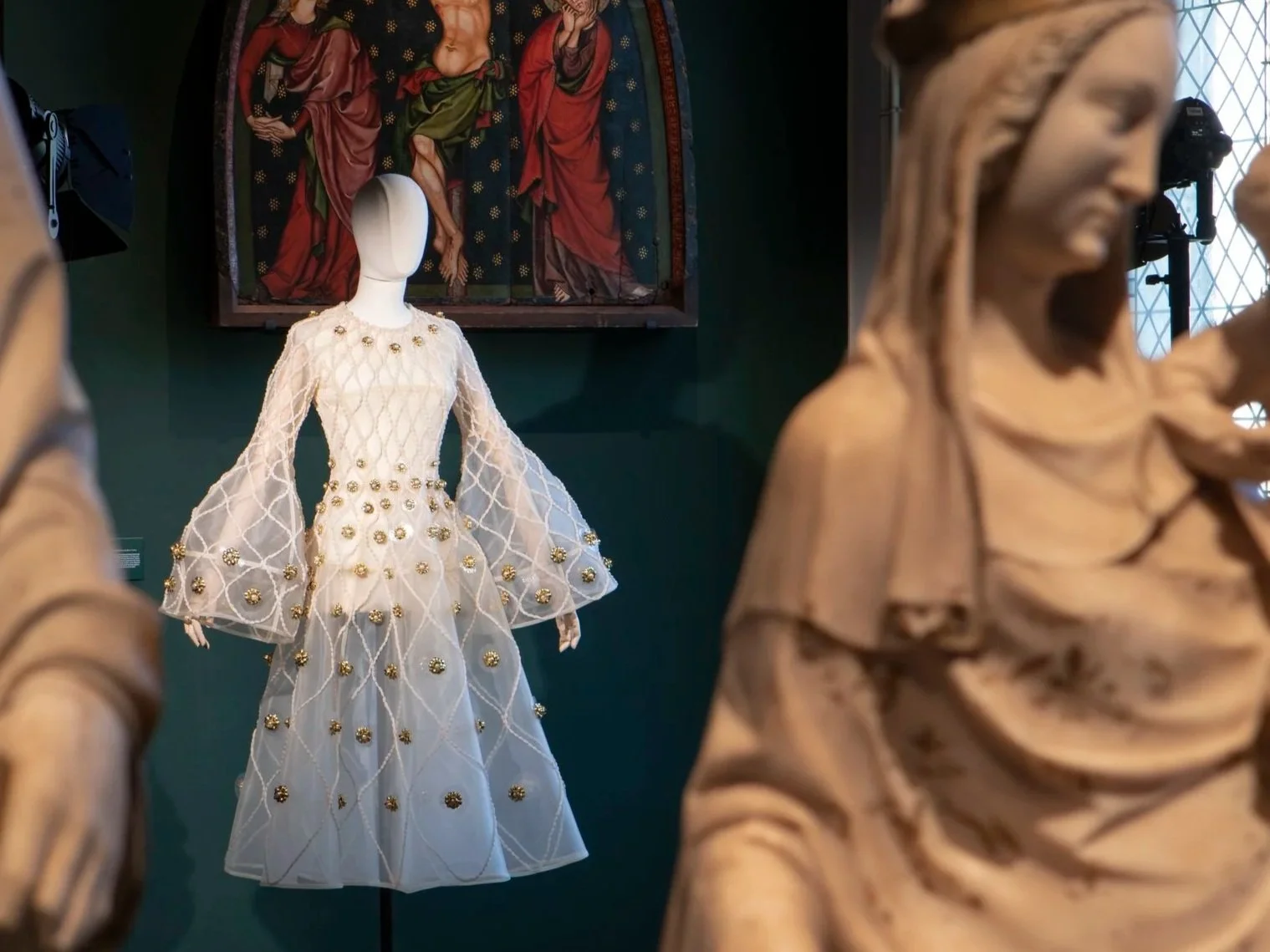
What distinguished the Musée des Arts Décoratifs during that transformation was its ability to position couture within a wider visual culture rather than isolate it as luxury alone. Exhibitions connected garments to photography, design, decorative arts and contemporary image-making. The 2016 exhibition Fashion Forward: 3 Centuries of Fashion placed contemporary designers alongside historic dress, allowing an eighteenth-century court gown and a contemporary silhouette to speak to one another across centuries. Later retrospectives, including the museum’s acclaimed Iris van Herpen exhibition, pushed further still, presenting couture through environments shaped by technology, science and sculpture as much as by clothing itself.
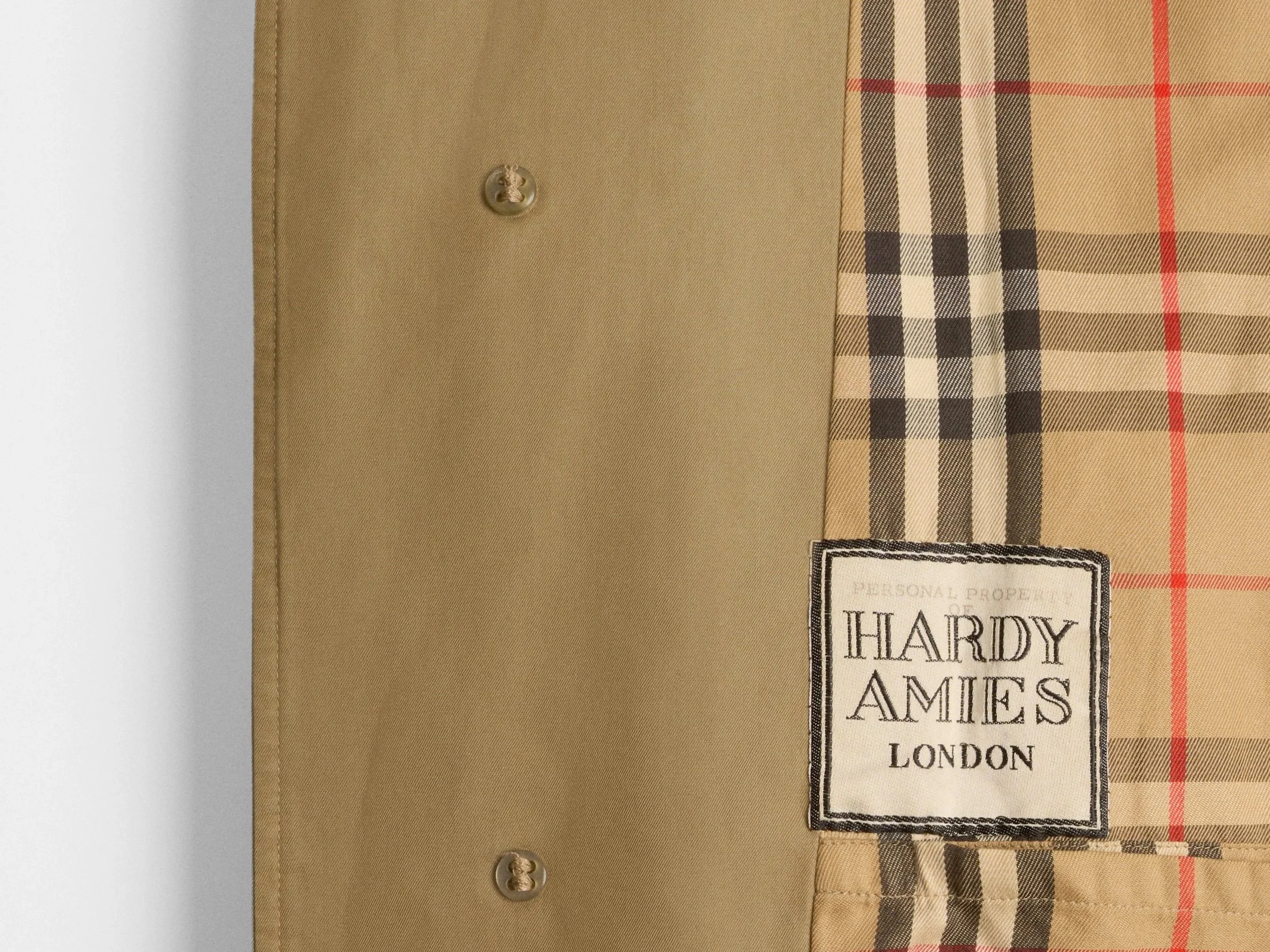
What makes Look particularly compelling is that it turns the lens back onto the institution. Beyond the silhouettes, the exhibition foregrounds the invisible labour behind fashion preservation: conservators restoring fragile textiles, archivists cataloguing collections, technicians constructing mannequins and storage systems designed to outlast the garments’ original moment. In doing so, the museum acknowledges its own role not simply as a guardian of fashion history, but as one of the institutions that helped establish fashion as a legitimate cultural discipline.
The exhibition ultimately becomes a portrait of how museums learned to legitimise fashion — and how fashion, in return, transformed the contemporary museum experience.