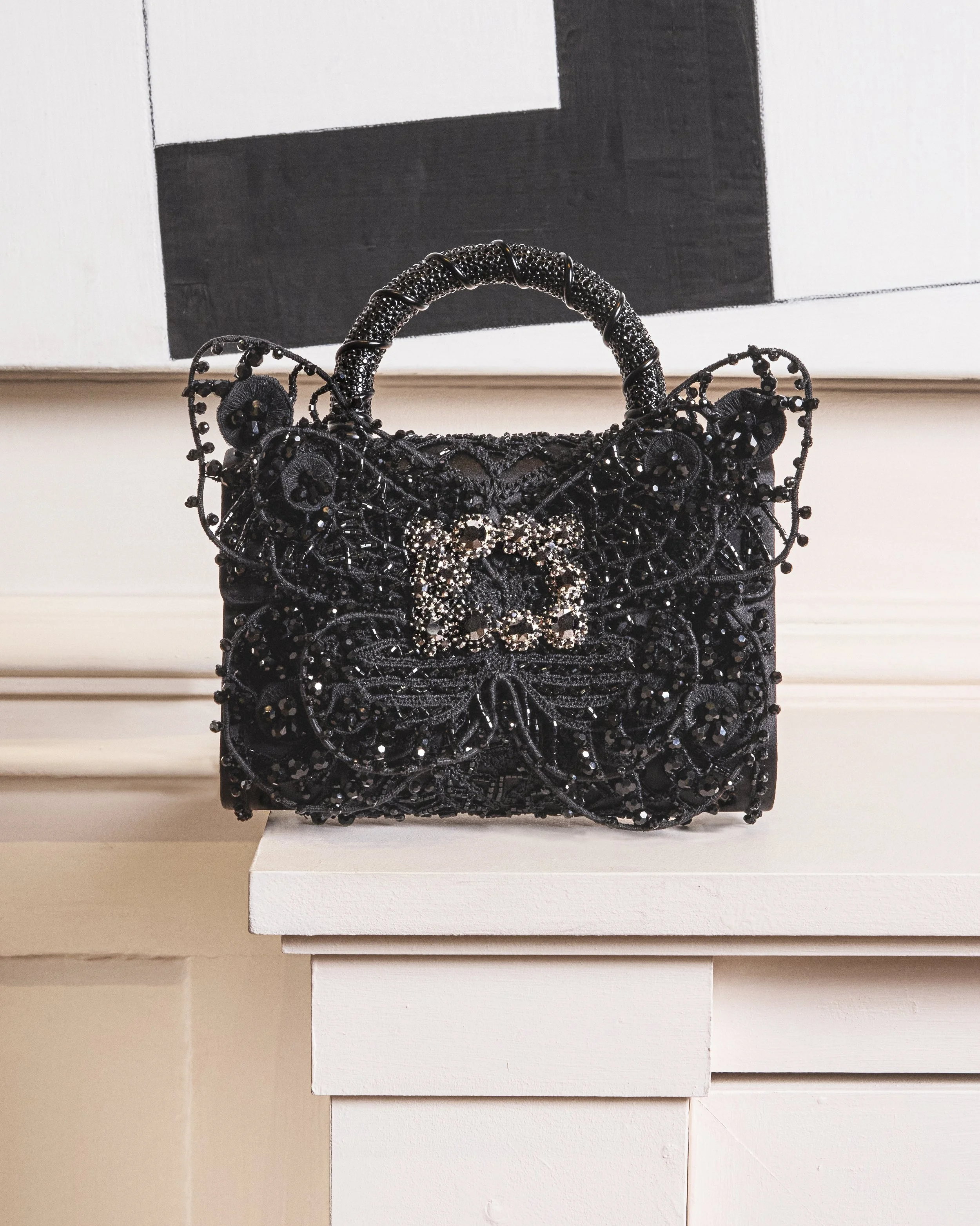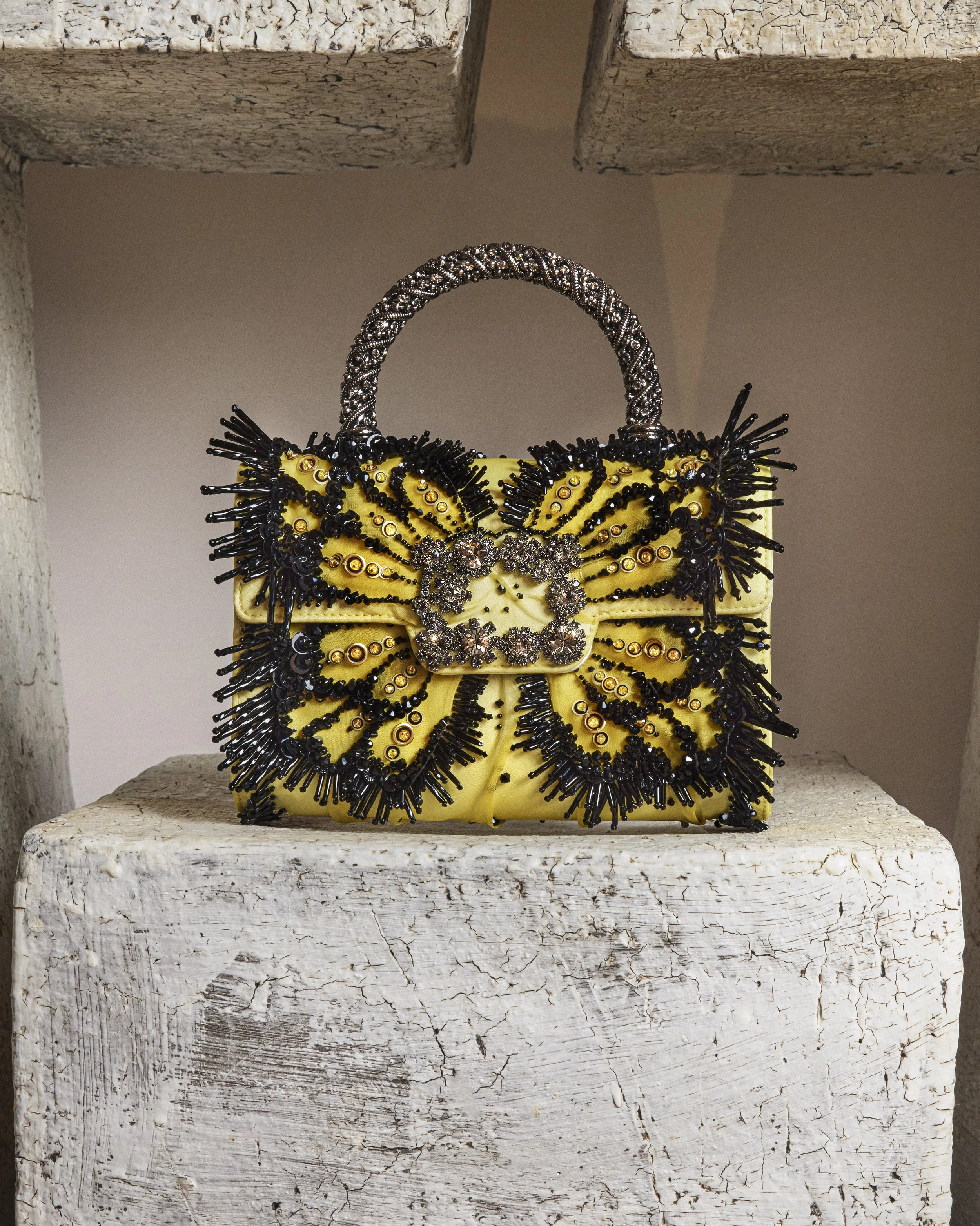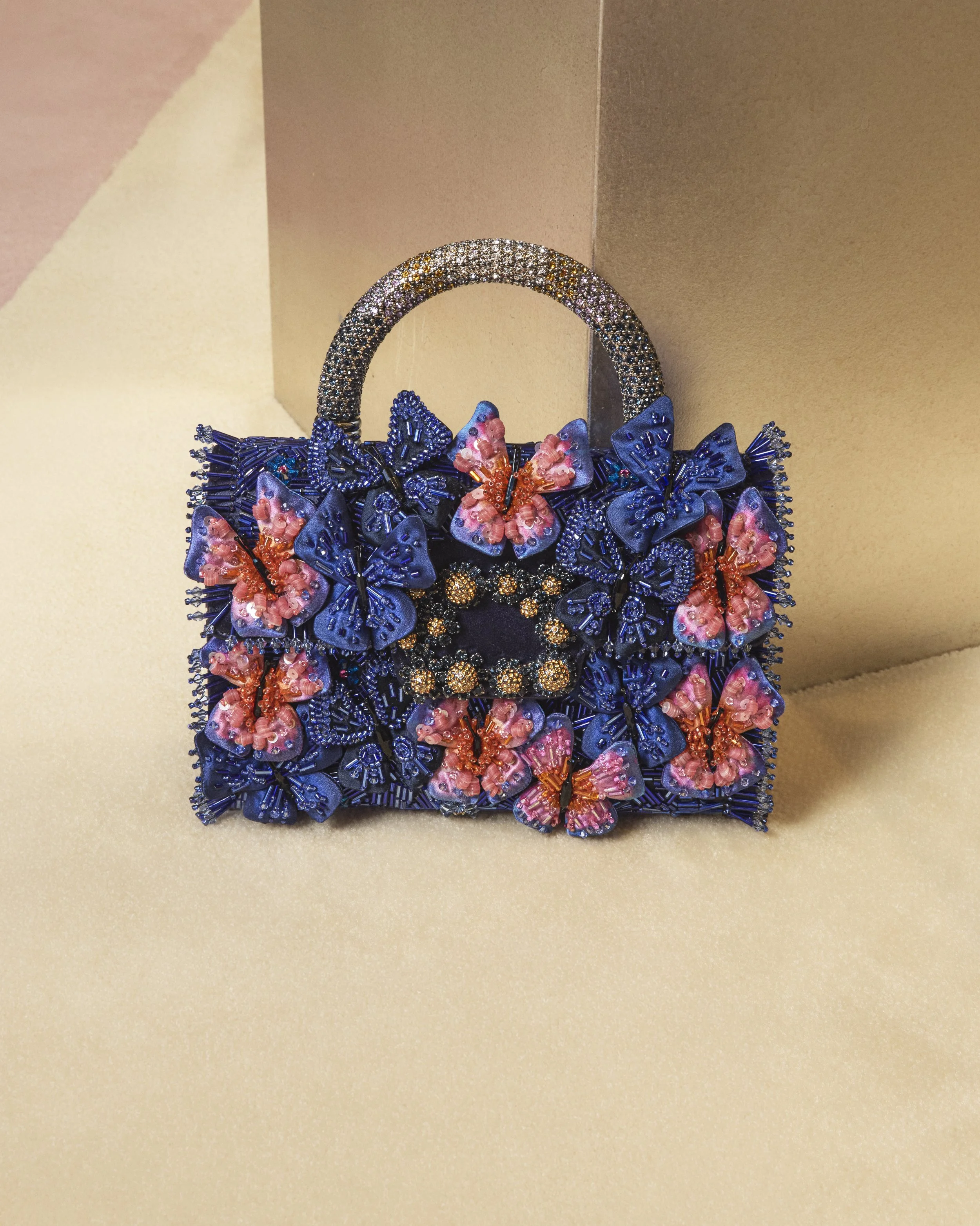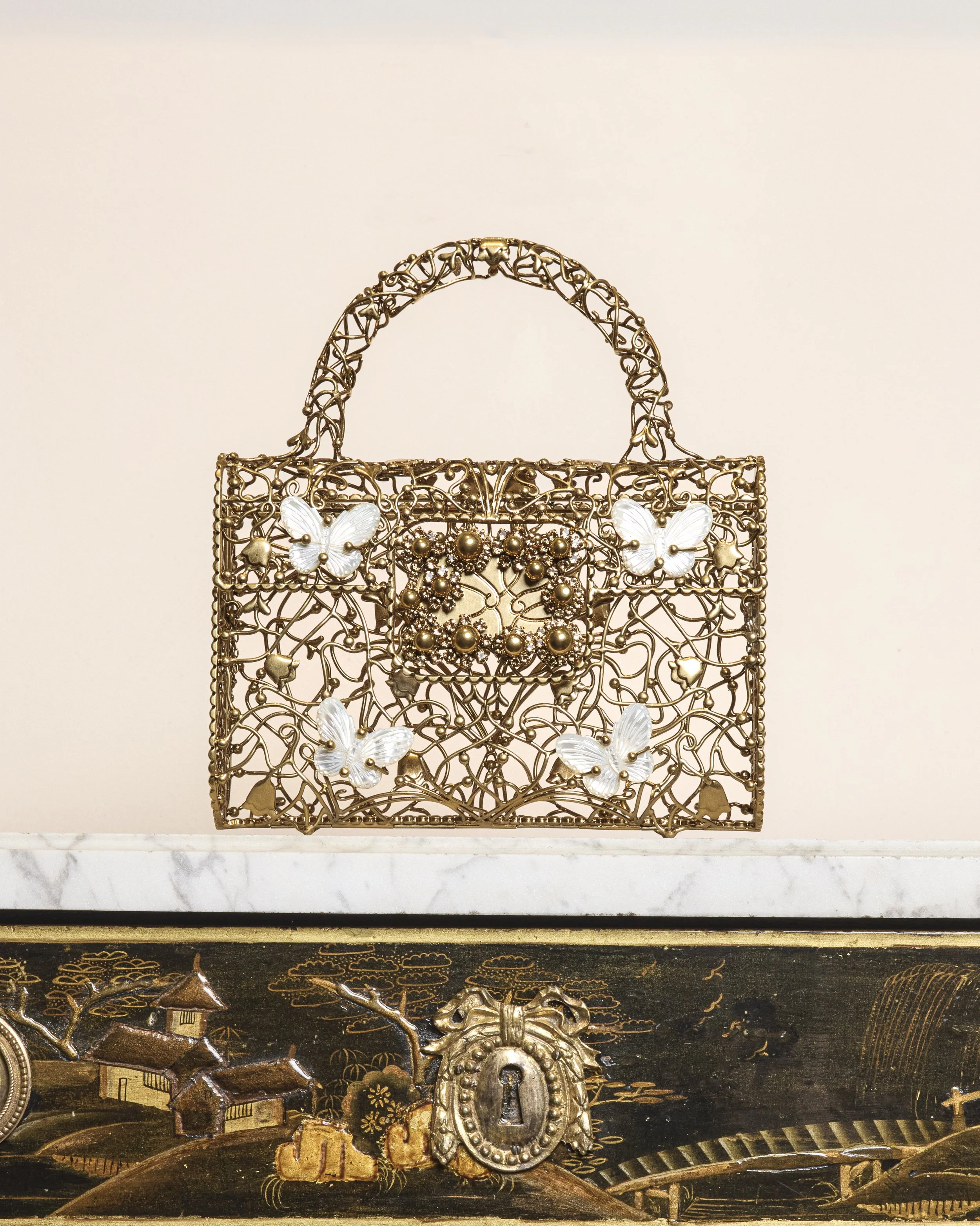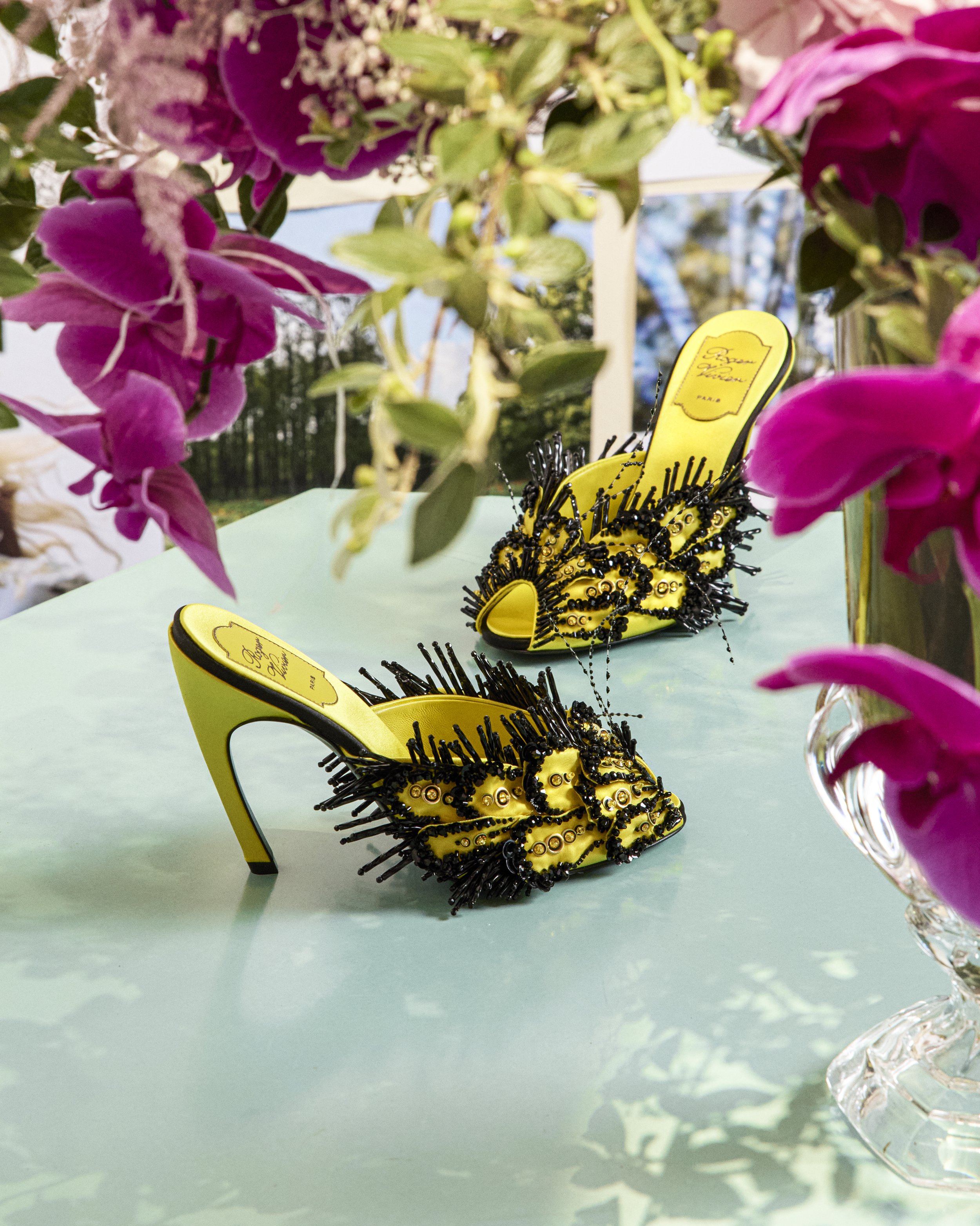
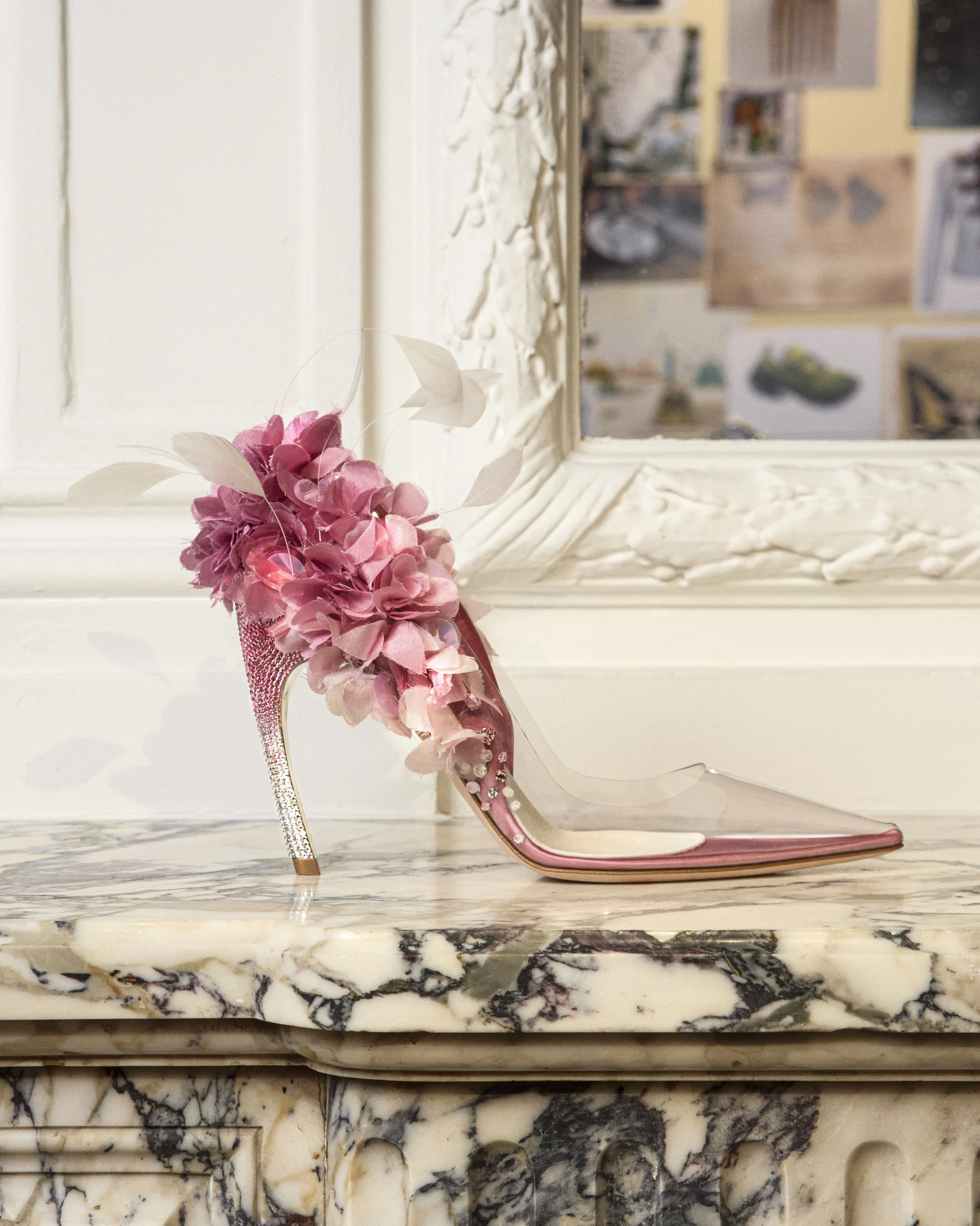
For the first time, Roger Vivier’s Pièce Unique collection extends its one-of-a-kind approach to footwear, introducing a series of highly crafted Choc pumps and sneakers for L’Atelier des Papillons, the Autumn–Winter 2026/27 collection presented during Paris Haute Couture Week.
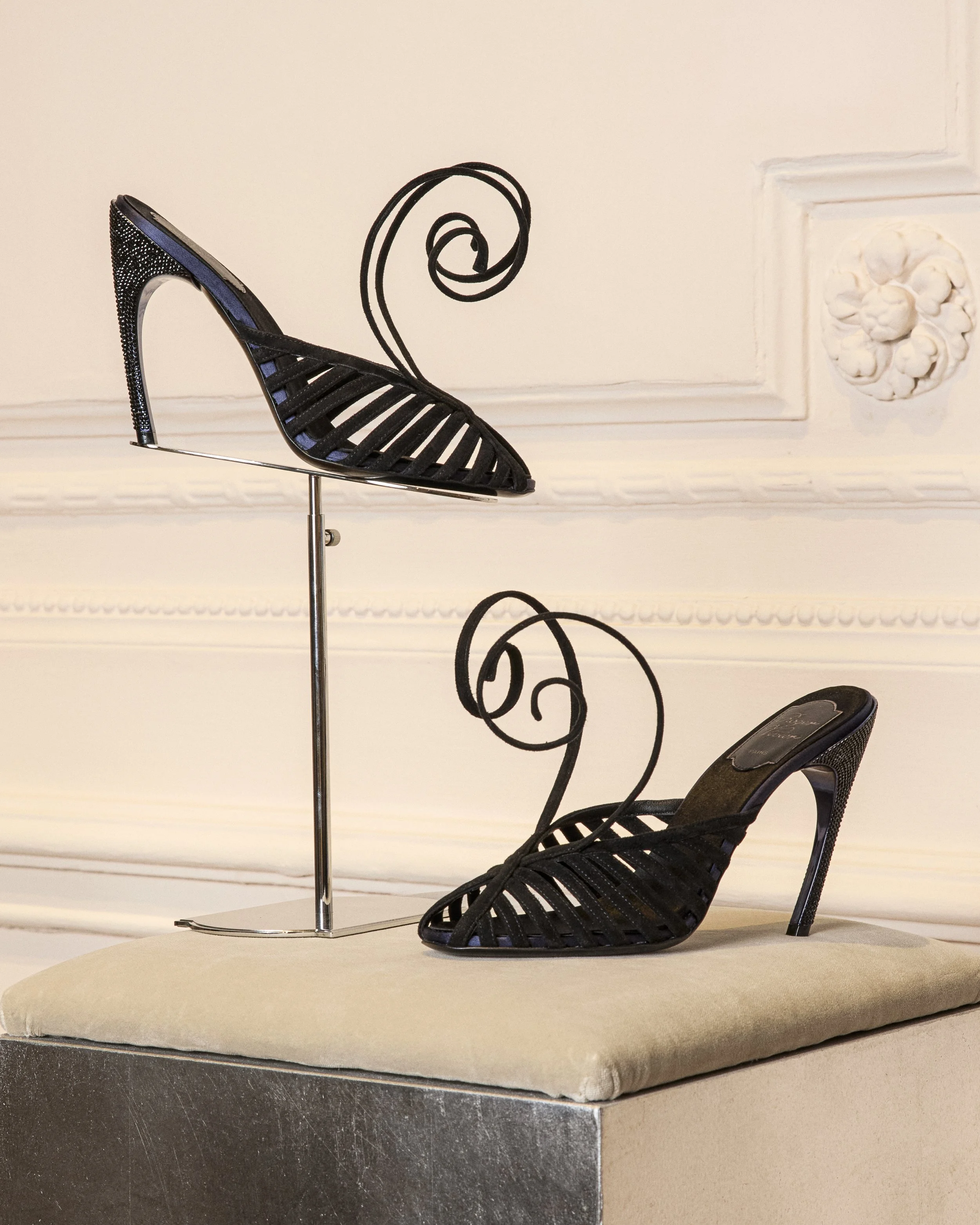
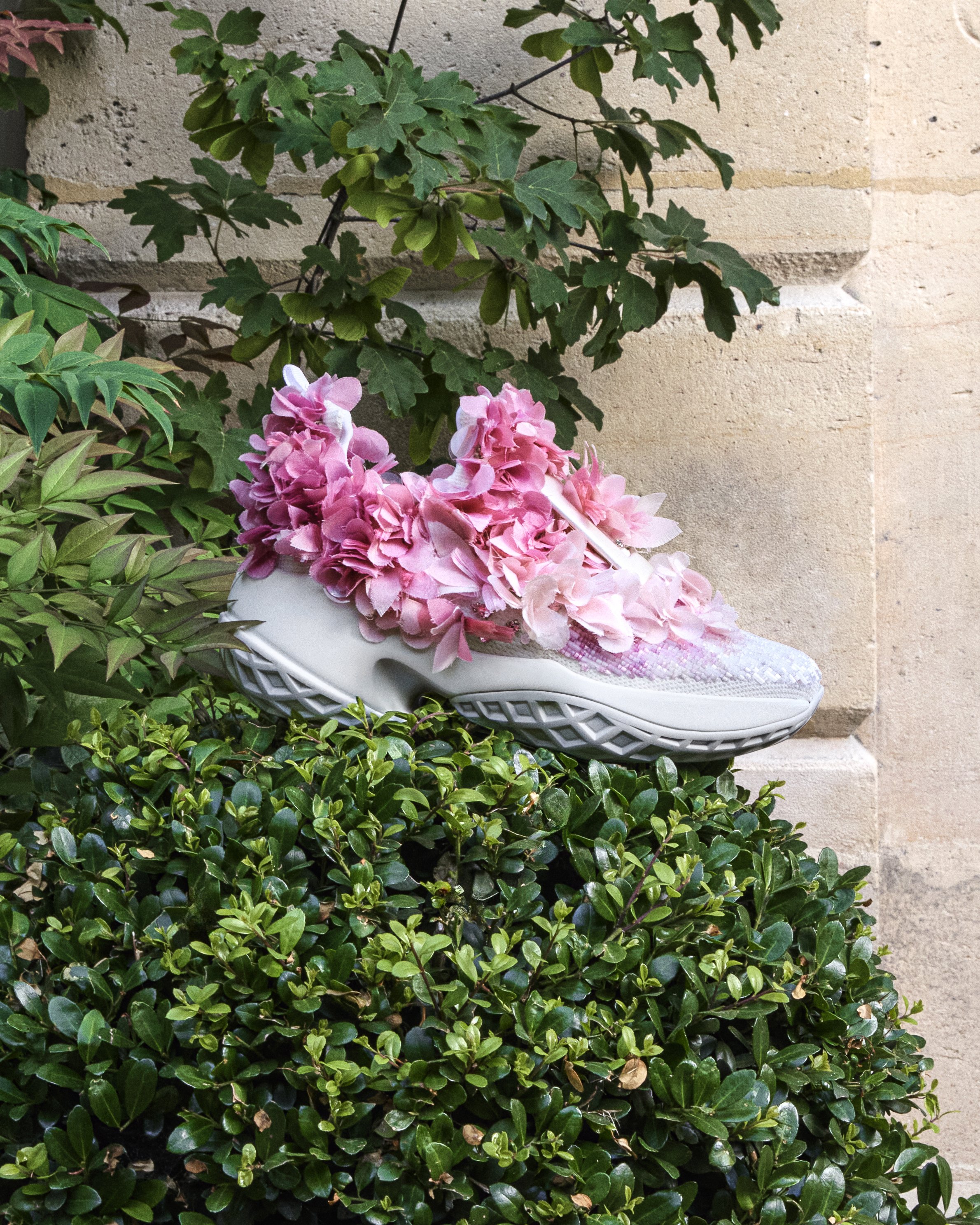
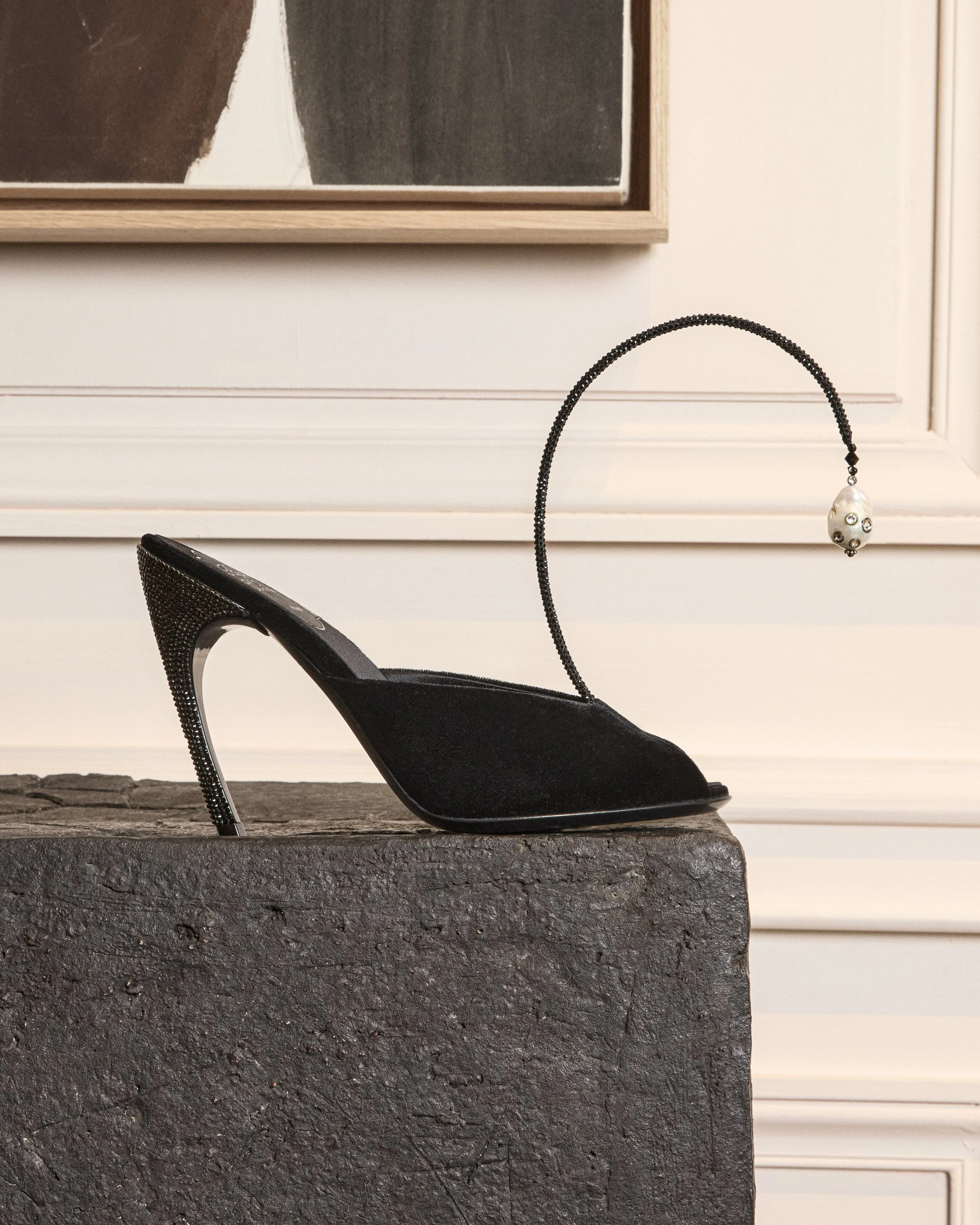
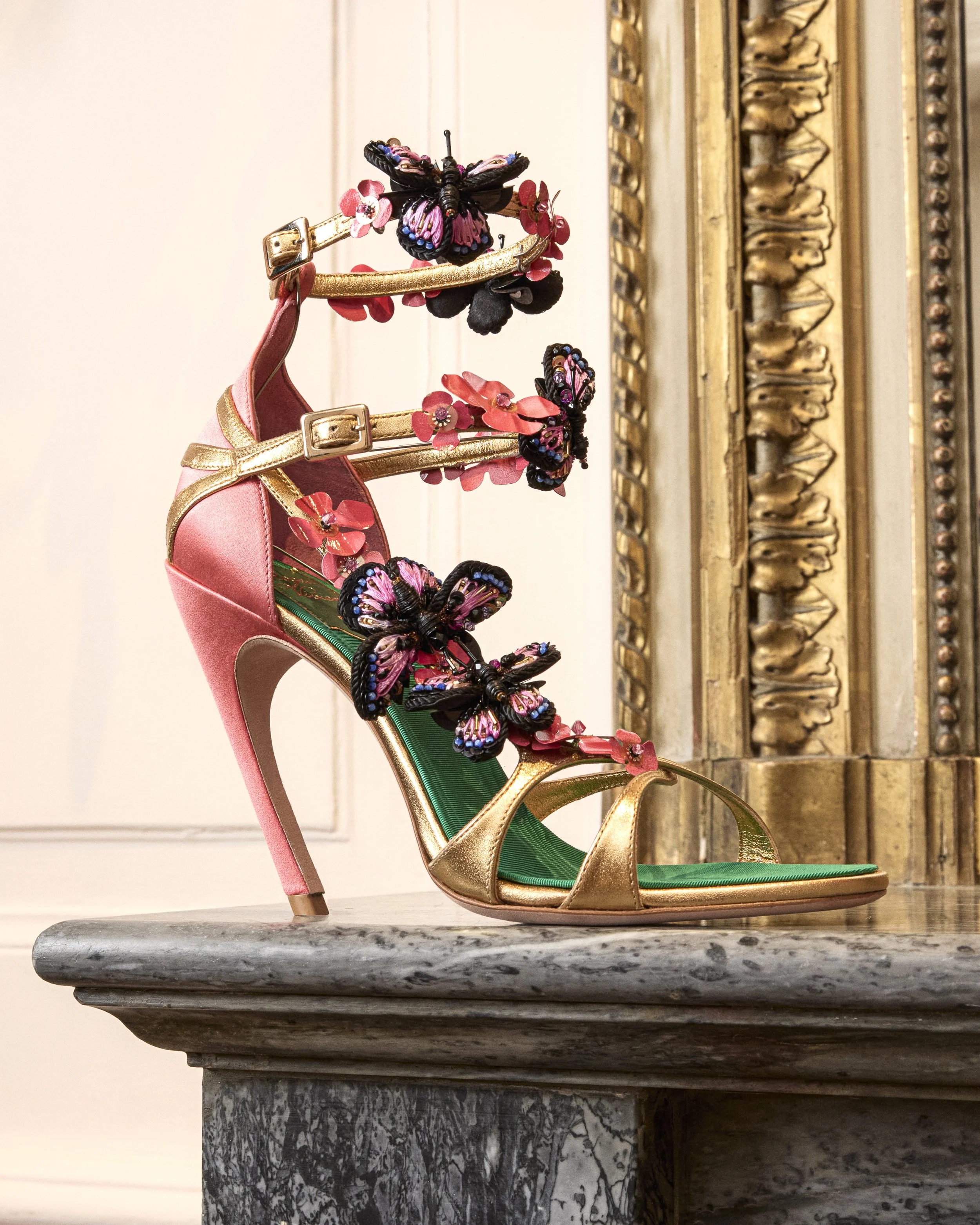
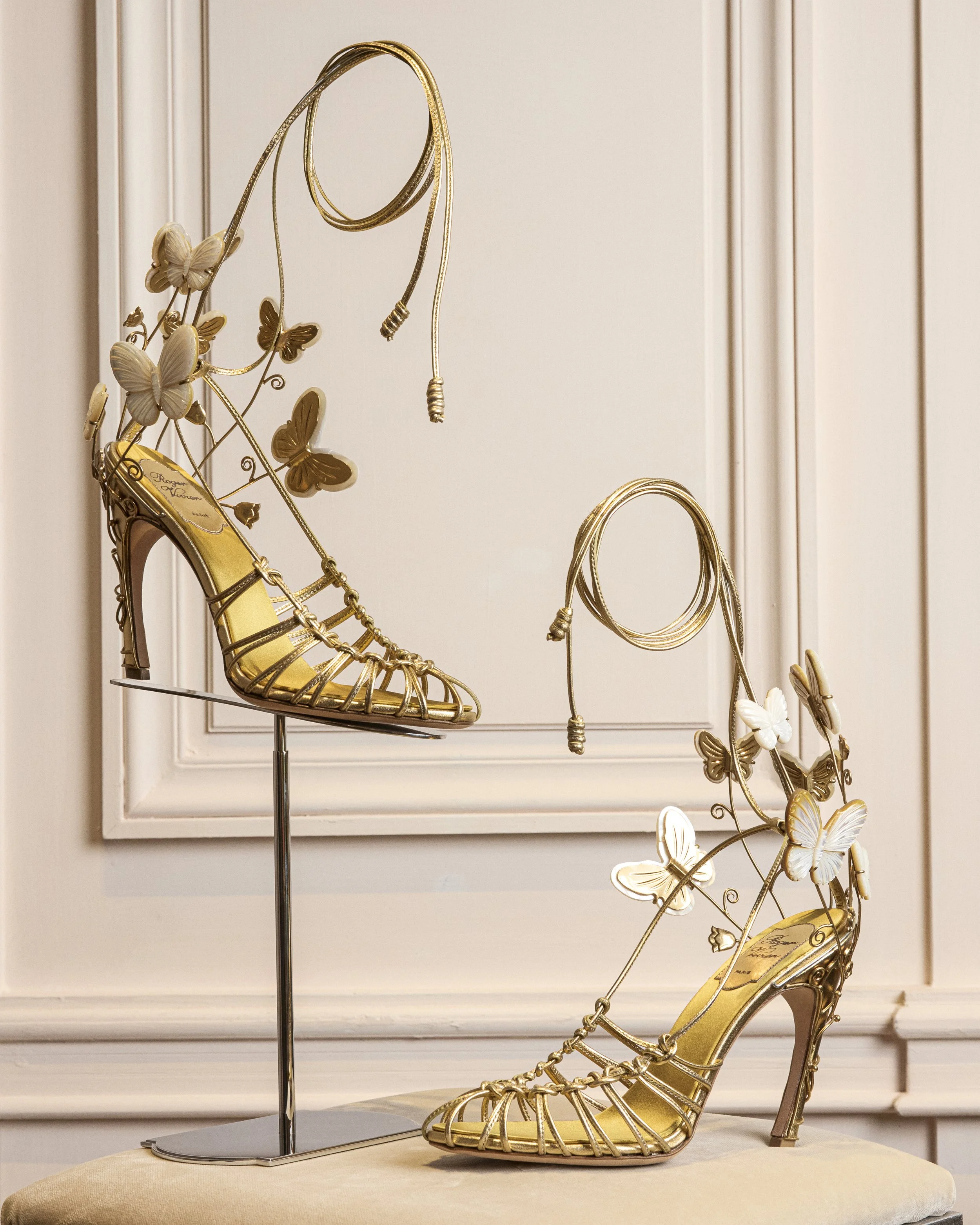
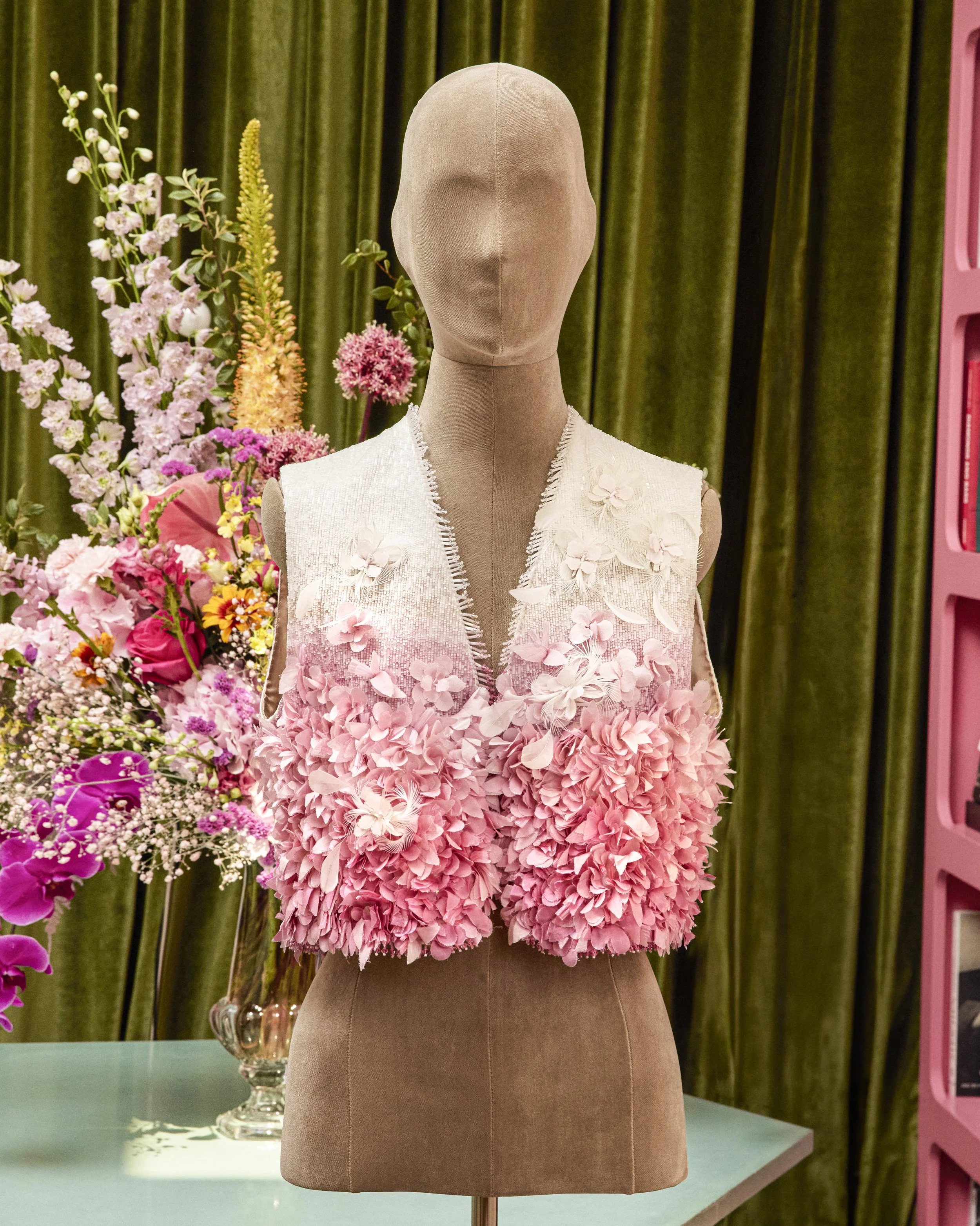
Until now, Pièce Unique had focused on handbags and embroidered gilets, using them as canvases for elaborate techniques and exceptional handwork, unique pieces made outside the rhythm of seasonal production. The addition of shoes brings the project closer to the discipline that defined Roger Vivier's legacy: a house built on the transformation of footwear into an object of design and craftsmanship.
The Choc pump, with its curved heel introduced by Roger Vivier in 1959, becomes the foundation for a series of individual creations. The sneaker sits alongside it as a more contemporary expression of the same idea.
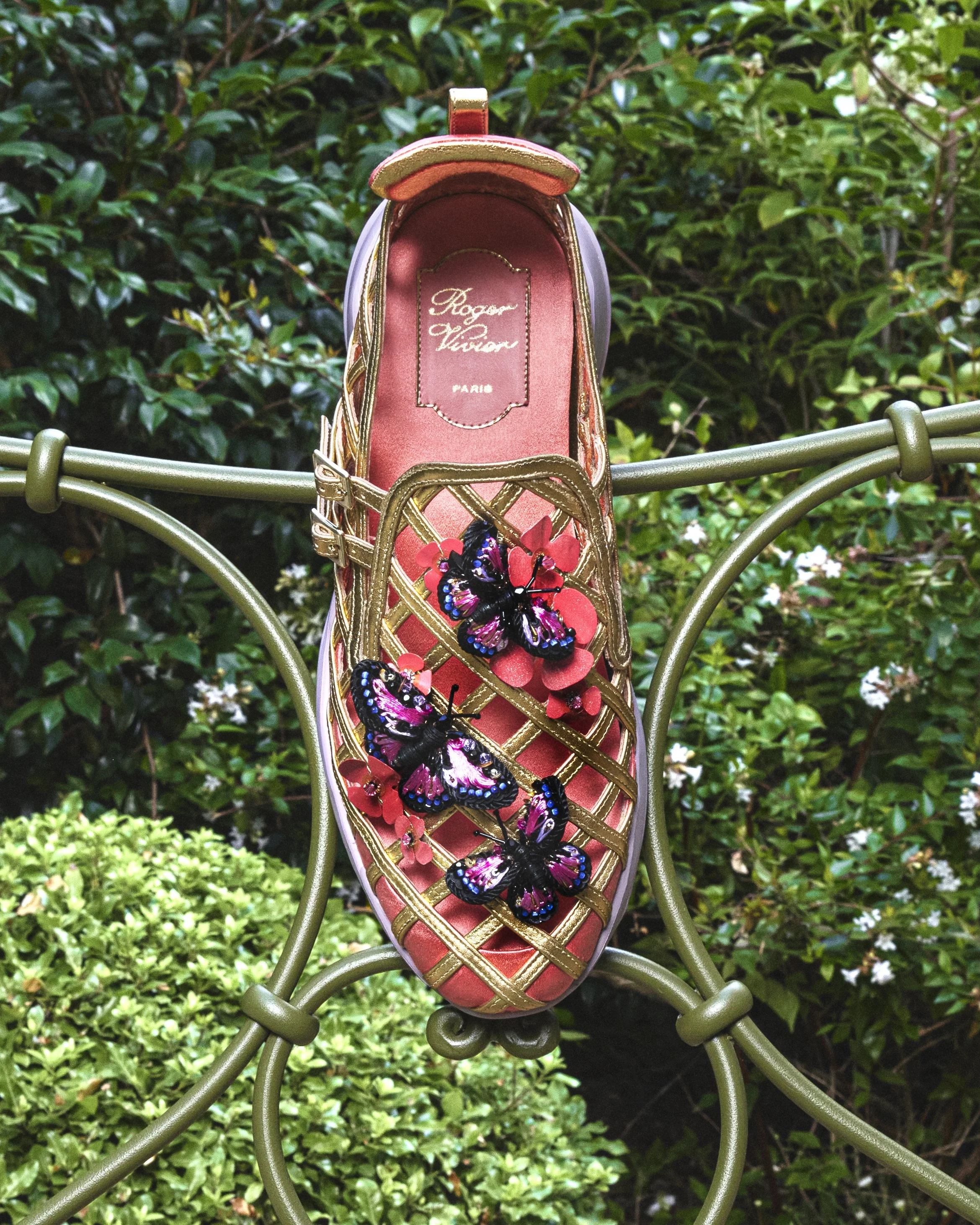
The butterfly provides the collection's central visual language, a motif with a long history within Roger Vivier's work. It appeared throughout the founder's career, from designs created for Christian Dior in the 1950s and 1960s to later creations for Rayne and Rébé, before returning in the Papillon shoes presented at his 1987 retrospective at the Musée des Arts Décoratifs.
For L'Atelier des Papillons, Creative Director Gherardo Felloni revisits the motif through a wide range of couture techniques, including bead embroidery, hand-painted feathers, organza, macramé, sculpted metal and crystal work. Each technique offers a different treatment of the same reference, shifting the focus from the motif itself to the skill and material knowledge required to construct it.
It's a demonstration of how techniques usually reserved for couture garments can be turned back toward footwear, the category on which Roger Vivier's identity was first built.