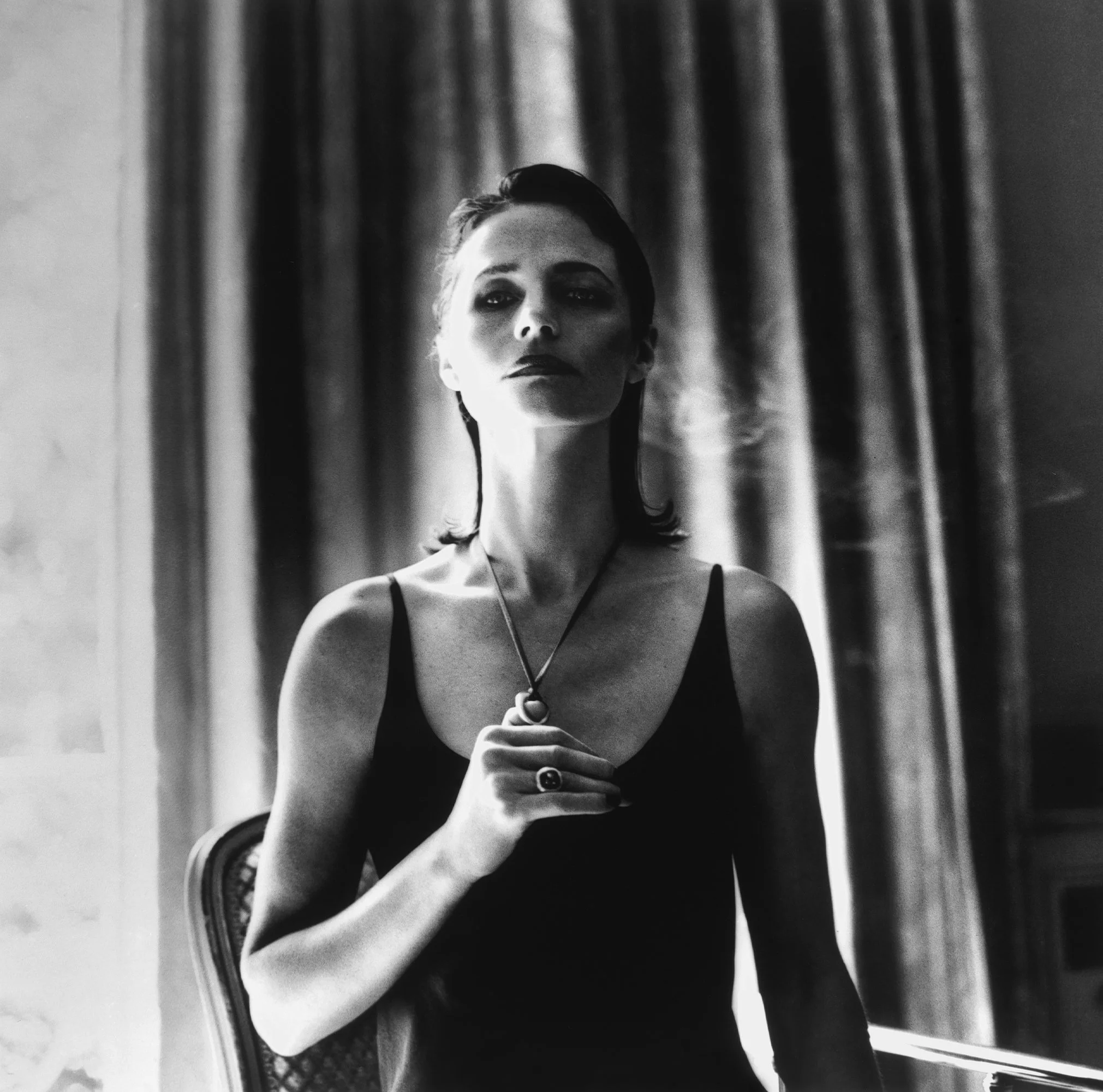
Pomellato’s Revolutionary Spirit Takes Centre Stage in Paris
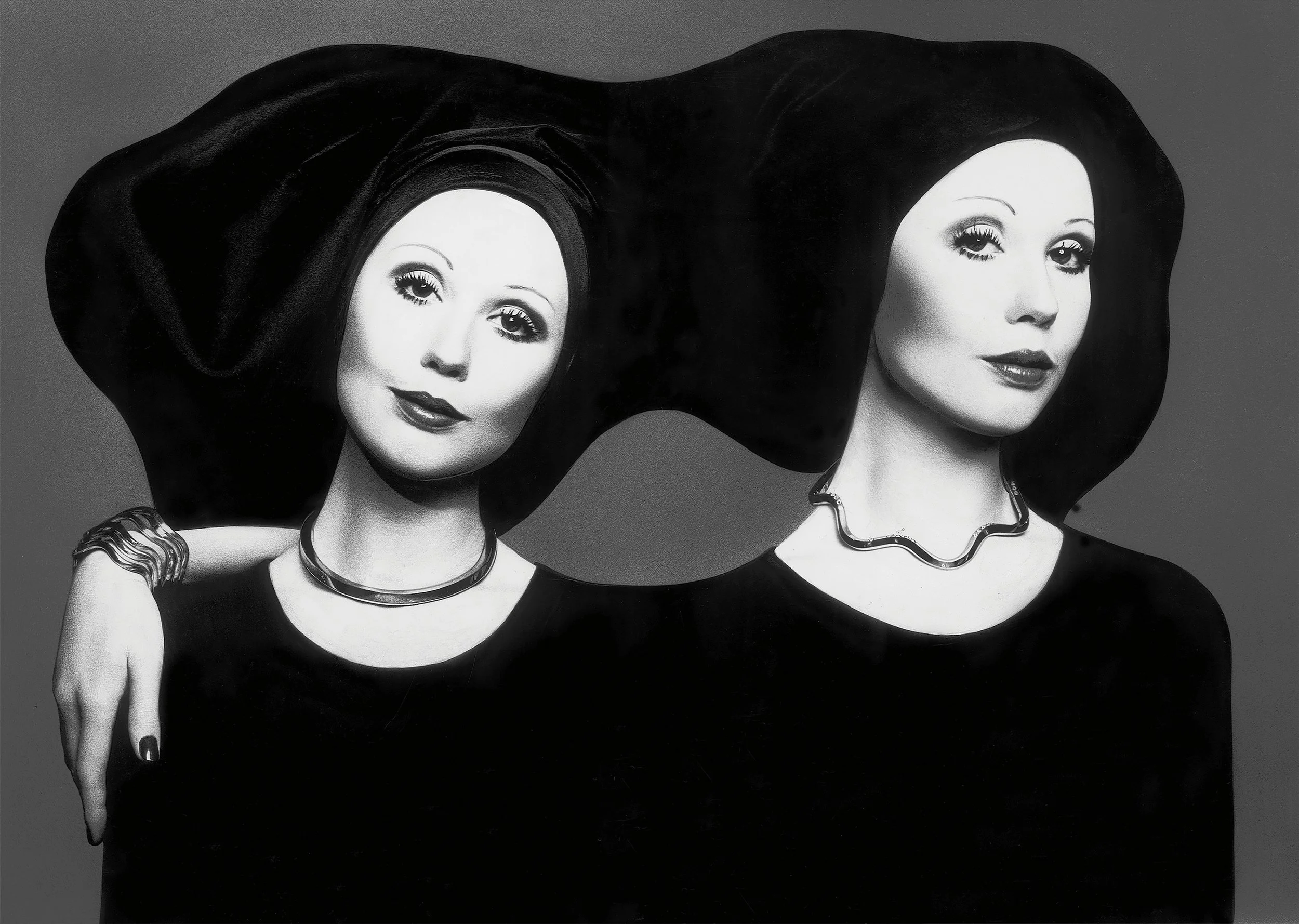
1971 - Gian Paolo Barbieri
Few luxury houses carry their founding philosophy quite so literally in their name. Pomellato takes its name from a rare dappled horse — not the obvious champion, but the most distinctive one. It was a deliberate choice by founder Pino Rabolini, a passionate horseman who established the Milanese jeweller in 1967 after receiving a piece of advice from his father: bet on the winning horse. Rabolini chose the one that stood apart. Strength, individuality and a refusal of the predictable would become hallmarks of the house he created.
Nearly six decades later, that spirit provides the starting point for Pomellato, Le Joaillier Révolutionnaire, the brand's first exhibition in Paris. Running at the Palais de Tokyo from 24 June to 20 July 2026, the exhibition will explore the creative decisions — in design, craftsmanship, photography and colour — that helped Pomellato carve out a singular place in contemporary jewellery. Curated by Alba Cappellieri, Head of Jewellery Design at the Politecnico di Milano, the exhibition will unfold through five chapters: image, craftsmanship, style, colour and women.
Founded amid the social and cultural shifts of the late 1960s, Pomellato emerged alongside the rise of Italian ready-to-wear and Milan's growing influence as a design capital. Its jewellery reflected that changing world: pieces conceived to be worn every day rather than reserved for ceremonial occasions, expressive of personal style rather than social convention.
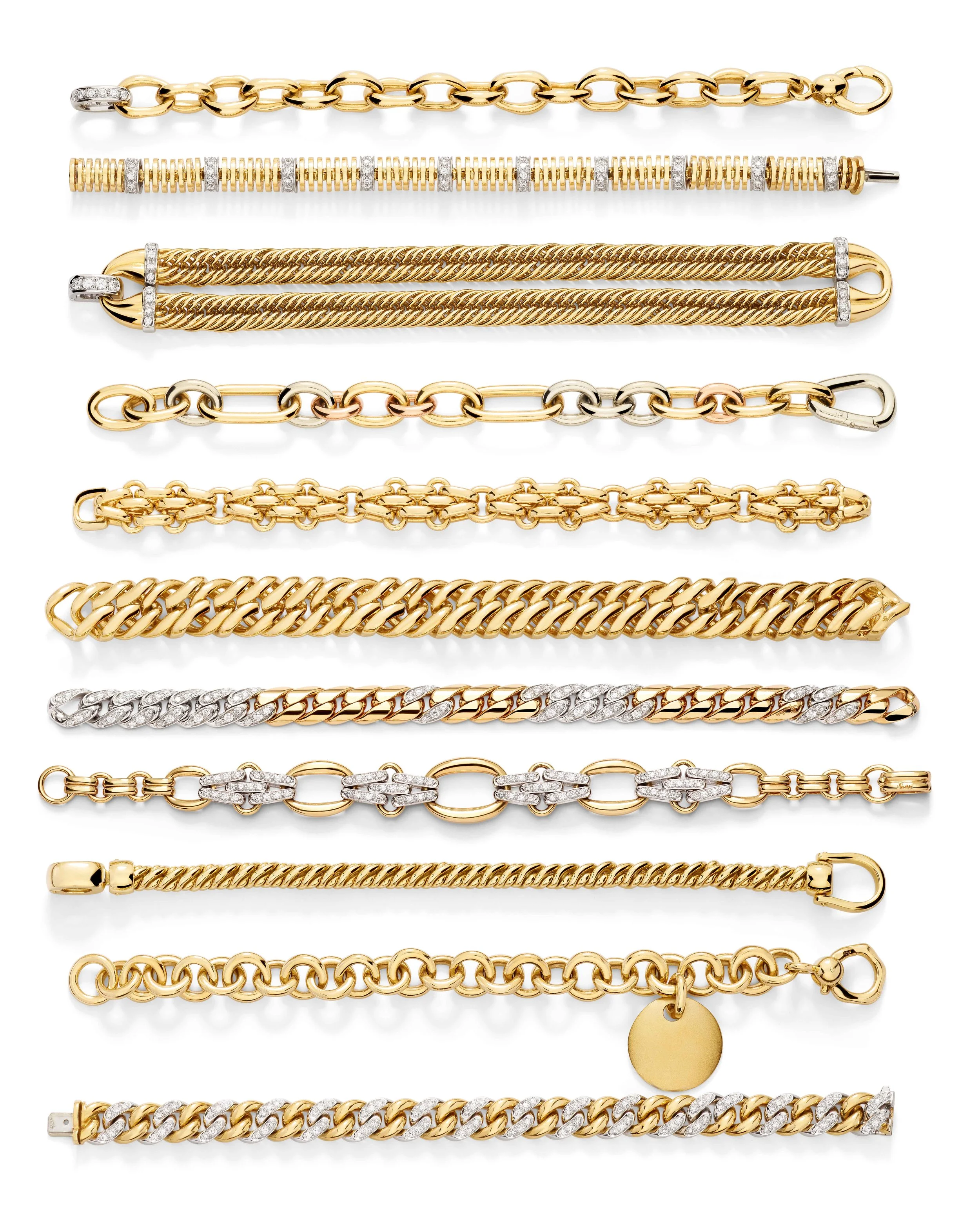
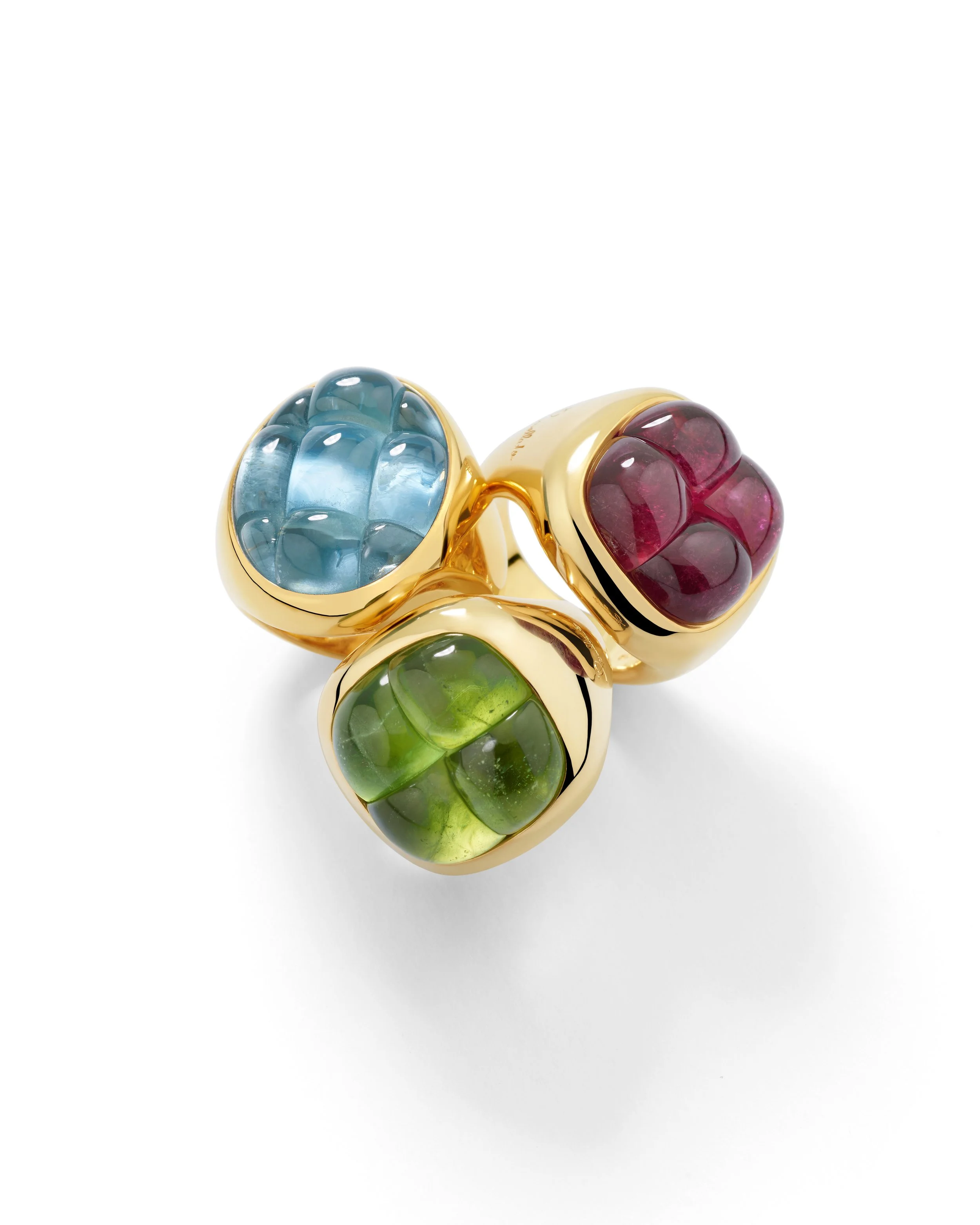

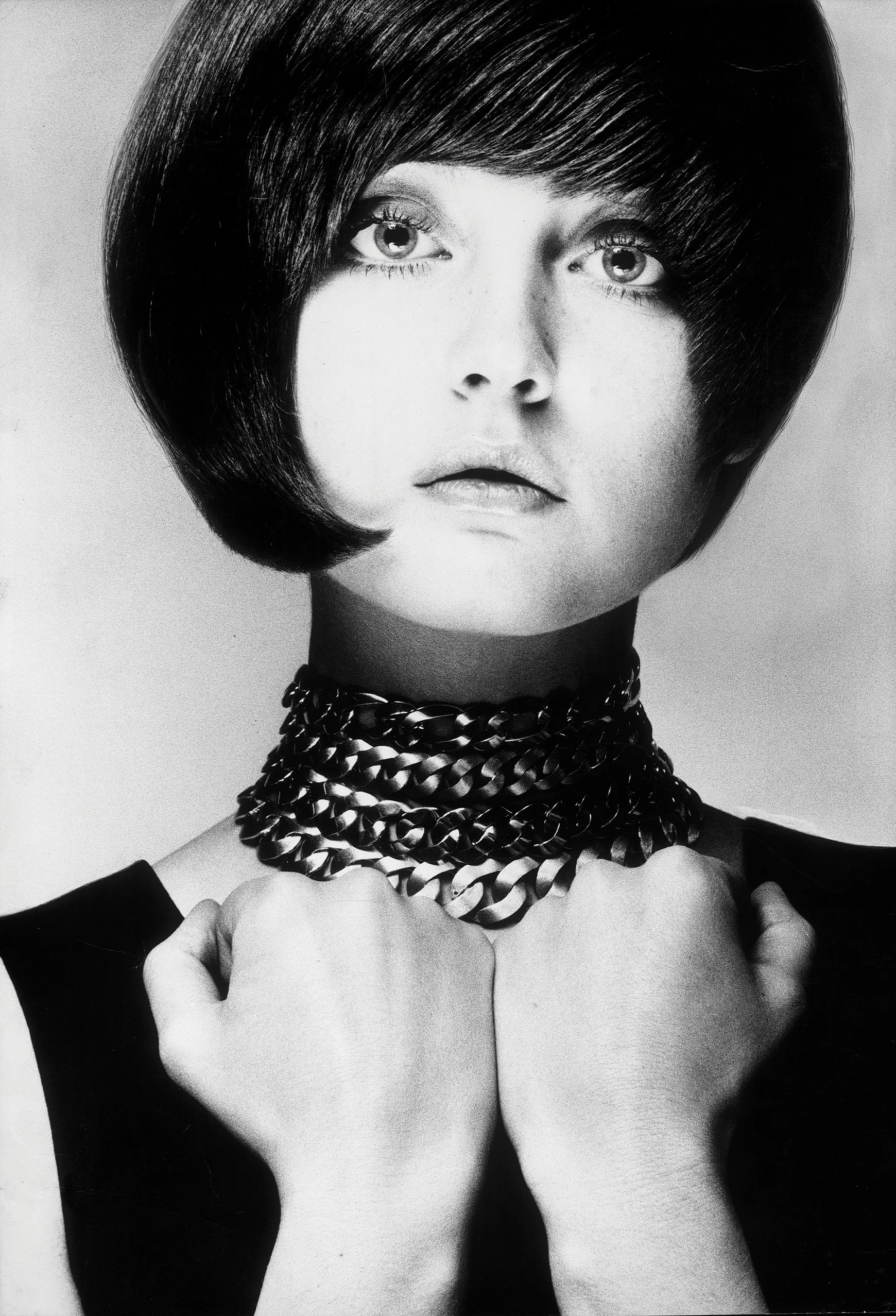
The exhibition will revisit the design signatures that have defined Pomellato across generations. Chains — including Gourmette, Boule, Catene and Iconica — demonstrate how the house transformed a traditionally functional jewellery component into a design statement in its own right. Sculptural volumes, soft contours and tactile surfaces, visible from the Gemelle necklaces of the 1970s to the recent Pentagoni collection, reveal a distinctly Milanese sensibility, where volume, tactility and wearability take precedence over overt display.
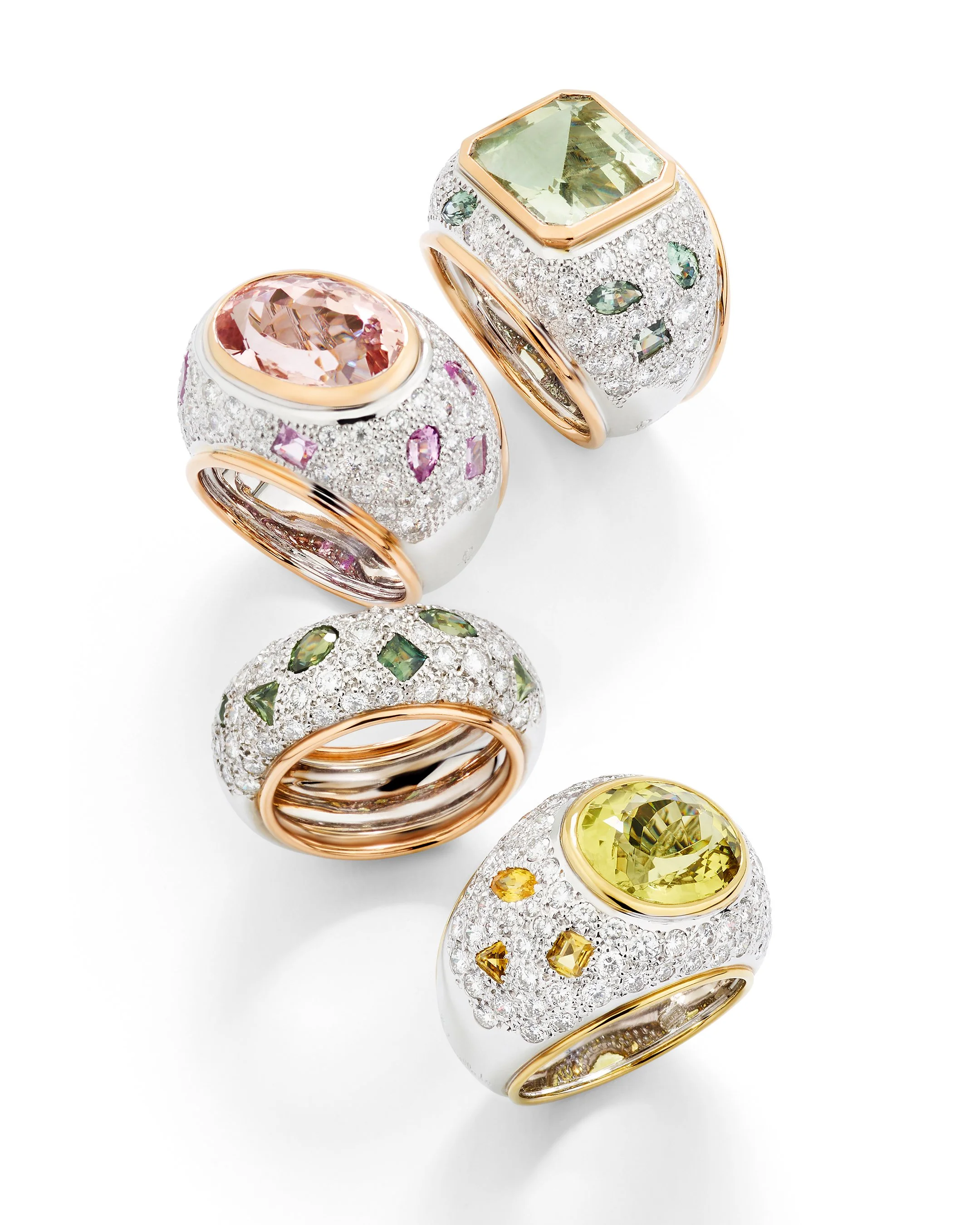
Colour, too, occupies a central place in the narrative. Through what Pomellato describes as its philosophy of "Free Gems", the house challenged traditional hierarchies of precious stones in favour of unexpected combinations and expressive colour palettes. Creations from Bisanzio and Mosaico through to Nudo and Gemme Superlative illustrate how colour became not merely a decorative element but one of the maison's defining creative languages.
The photography section will make a compelling case on its own. Long before collaborations between luxury brands and celebrated photographers became standard practice, Pomellato enlisted some of the most influential names in fashion photography. Gian Paolo Barbieri's campaigns captured the creative energy of the 1970s, while Helmut Newton's black-and-white imagery in the following decade projected a femininity that was confident, sensual and self-possessed. The story continues through the work of Albert Watson, Horst P. Horst, Snowdon, Javier Vallhonrat and Michel Comte. Particularly noteworthy is the inclusion of photographs by Herb Ritts, presented for the first time within the context of the maison's visual history.
Threaded throughout is another constant for the brand: from its inception, Pomellato positioned jewellery as something women chose for themselves rather than received as a symbol of status or affection. That ethos continues through Pomellato for Women, the advocacy platform launched in 2017 to promote gender equality and raise awareness of gender-based violence.
Ahead of the public opening, a private preview on 23 June will also unveil Pomellato Stile Libero, the latest chapter in the maison's high jewellery story. Taken together, the exhibition promises a portrait of a house that has consistently favoured individuality over convention — a quality embedded in its name from the very beginning.