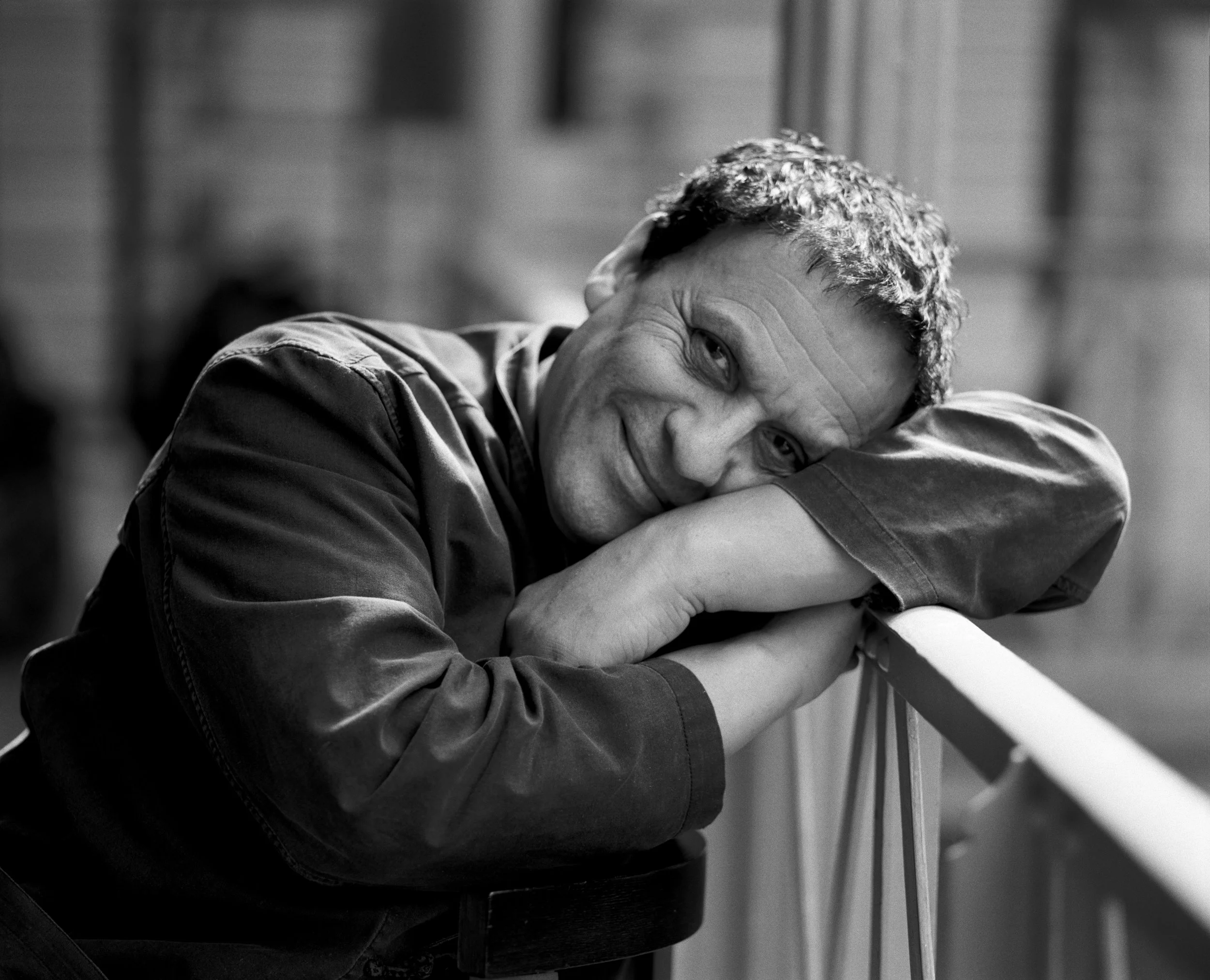
Photo by Gilles Bensimon
Before Azzedine Alaïa became known for redefining the female silhouette, he studied the body as a sculptor. That training will form the basis of Azzedine Alaïa: Sculpting Fashion, the first major United States retrospective dedicated to the late couturier, opening at San Francisco's Legion of Honor on November 21, 2026.
Eighty garments spanning Alaïa's career will fill the galleries through April 11, 2027, shown alongside pieces from his personal collection of historical haute couture. Organised by the Fine Arts Museums of San Francisco in collaboration with Fondation Azzedine Alaïa, the exhibition will trace how research, construction and material experimentation shaped one of the most distinctive practices in late 20th-century fashion.
Born in Tunisia in 1935, Alaïa trained in sculpture at the École des Beaux-Arts in Tunis before moving to Paris in 1956. Years of studying volume and mass stayed with him at the cutting table: he built garments in three dimensions, working the fabric against the body itself rather than drafting flat and fitting after.
Two decades of dressmaking followed — private clients, work for other houses — before Alaïa presented his first ready-to-wear collection in 1980. Close-fitting jersey, leather and chiffon defined the collection, using stretch, structure and precision cutting to create new relationships between clothing and movement.
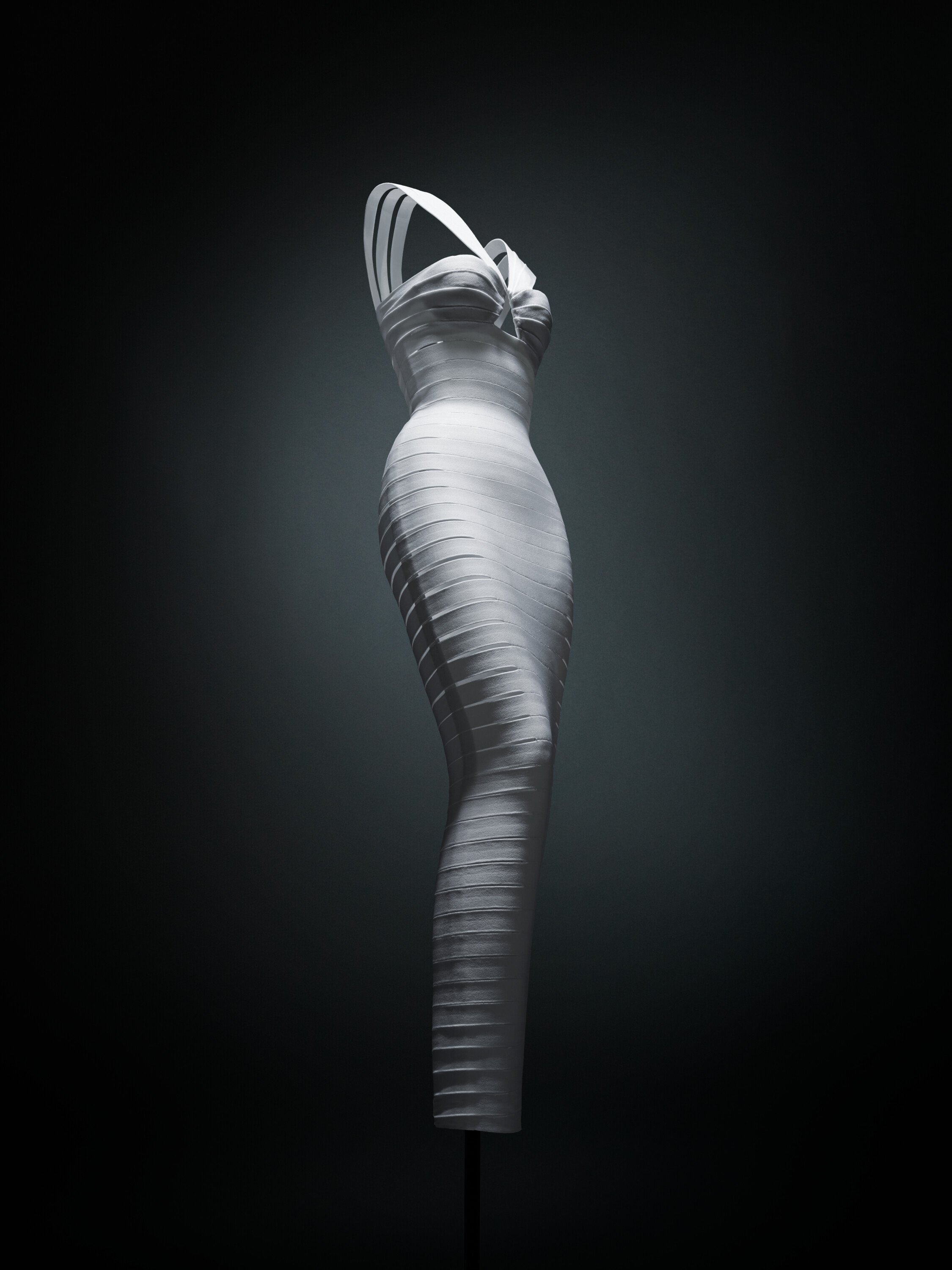
Bandage dresses, sculptural shapes, silhouettes and suiting will each get dedicated sections in this restrospective, alongside a closer look at the craftsmanship — raised work, mousseline, pearls, velours, zippers — that made those forms hold. Selected designs will sit next to pieces from the museum's permanent collection, setting Alaïa's fashion inside a broader conversation about art and design.
A separate strand of the exhibition will include Alaïa's own collection of historical dress. The haute couture and fashion-history pieces he gathered over decades reveal the research behind his most recognisable silhouettes — evidence of a designer who studied the history of construction as closely as he practised it.
In 1987, Alaïa stepped away from the official fashion calendar, rejecting the accelerated cycle of seasonal production. He kept working closely on every stage of a garment's making — pattern, cut, fitting, finish — running a studio closer to couture's traditional methods than to contemporary fashion's production line.
Nearly a decade after his death in 2017, Sculpting Fashion will showcase that studio discipline.